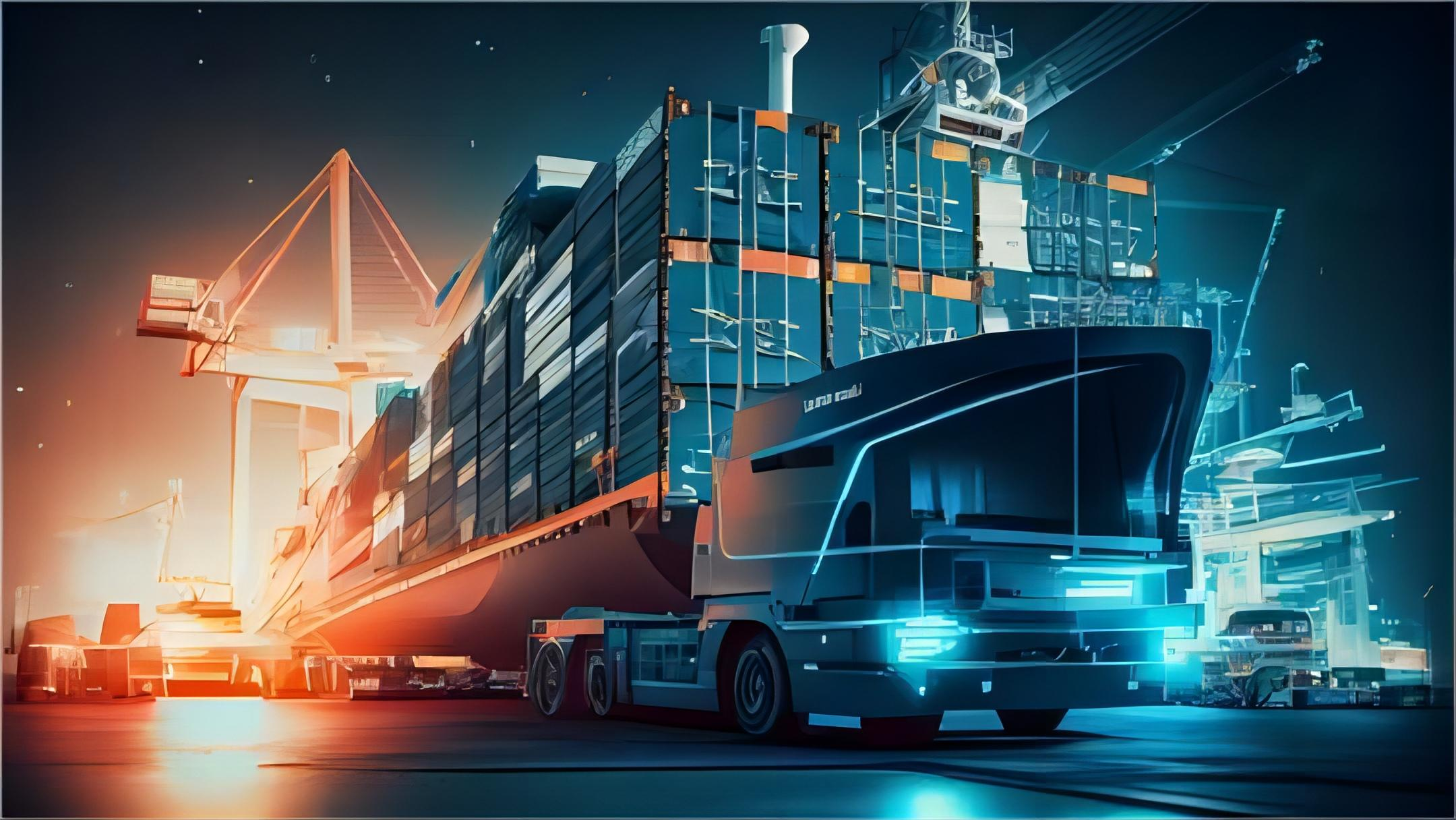


China Freight Forwarder Air Sea Rail Service: 2026 Strategic Guide
Navigating the complexities of global trade requires a reliable china freight forwarder air sea rail service to ensure your goods arrive on time and within budget. Modern supply chains face constant shifts in demand and route availability, making it essential to partner with an expert who understands the nuances of international logistics. This guide explores how diversified transport options can optimize your operations and mitigate risks in the 2026 market.
✦
Why Choose a China Freight Forwarder Air Sea Rail Service?
Selecting a comprehensive china freight forwarder air sea rail service provides the flexibility needed to adapt to fluctuating market conditions. Businesses often encounter unexpected delays at major ports, which necessitates a rapid shift in transport modes to maintain delivery schedules. Consequently, having access to multiple shipping channels allows for better risk management and cost control.
Furthermore, a multimodal approach ensures that your cargo handling is optimized based on the specific requirements of each shipment. While some products require the rapid transit of aviation, others benefit from the high-volume capacity of ocean vessels. Therefore, integrating these services under a single provider streamlines communication and reduces the likelihood of administrative errors during the import export process.
Additionally, the logistics landscape in 2026 emphasizes the importance of visibility and real-time tracking across all transport modes. Modern freight forwarders utilize advanced software to monitor shipments from the factory floor in Shenzhen to the final warehouse in Europe or North America. As a result, importers can make informed decisions based on accurate data regarding transit time and potential bottlenecks.
How Does China Freight Forwarder Air Sea Rail Service Compare to Other Options?
Objectively analyzing different shipping methods is crucial for determining the most cost-effective strategy for your business. While sea freight remains the most economical choice for bulk commodities, it lacks the speed required for time-sensitive electronics or fashion items. In contrast, air transport offers unparalleled speed but comes at a significantly higher price point, often reserved for high-value or urgent cargo.
Rail freight has emerged as a powerful middle ground, particularly for shipments traveling from China to Europe. It offers a faster transit time than the ocean while remaining much cheaper than air transport. However, it is important to note that rail services are not available for island nations like Australia, where sea and air remain the only viable options.
Moreover, hybrid solutions such as sea-air or rail-sea combinations are gaining popularity as companies seek to balance cost and speed. For instance, shipping goods by sea to a regional hub and then forwarding them by air can save both money and time compared to traditional methods. These alternative strategies are particularly effective during peak seasons when direct routes are congested.
| Shipping Method | Cost Range (per unit) | Transit Time | Best For |
|---|---|---|---|
| Sea Freight (FCL) | Low ($2,500 – $4,500) | 30-45 Days | Bulk Goods/FCL |
| Air Freight | High ($5.00 – $12.00/kg) | 3-7 Days | Urgent/High-Value |
| Rail Freight | Medium ($1.50 – $3.00/kg) | 15-22 Days | Eurasian Trade |
| Express Service | Very High ($10.00+/kg) | 2-4 Days | Samples/Small Parcels |
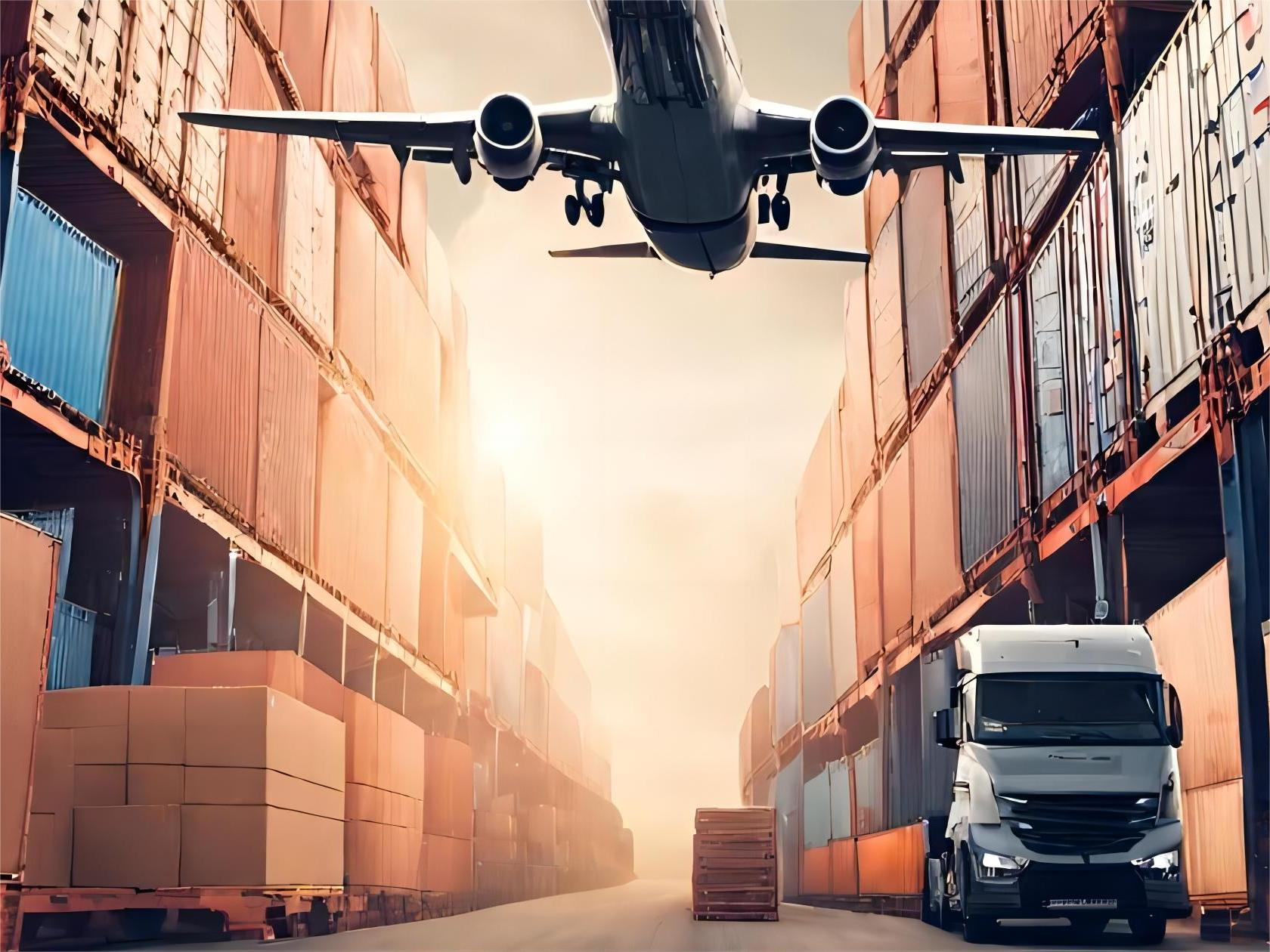
The Strategic Advantage of Air Freight in 2026
Utilizing air freight is often the best strategy for businesses that prioritize speed and reliability above all else. In the fast-paced market of 2026, the ability to restock inventory within a week can provide a significant competitive advantage. Consequently, many tech companies and pharmaceutical firms rely heavily on aviation to meet tight deadlines.
Moreover, air transport significantly reduces the risk of damage or theft compared to longer transit routes. The reduced time spent in the supply chain means fewer touchpoints and less exposure to environmental hazards. Therefore, even though the shipping costs are higher, the lower insurance premiums and reduced inventory carrying costs can offset the initial investment.
Specifically, air cargo capacity has expanded in 2026 with the introduction of more efficient freighter aircraft and optimized flight paths. This has led to more stable freight rates, although they remain sensitive to fuel price fluctuations. Importers should consider this method when the cost of a stockout exceeds the premium paid for rapid delivery.
Maximizing Economy with Sea Freight Solutions
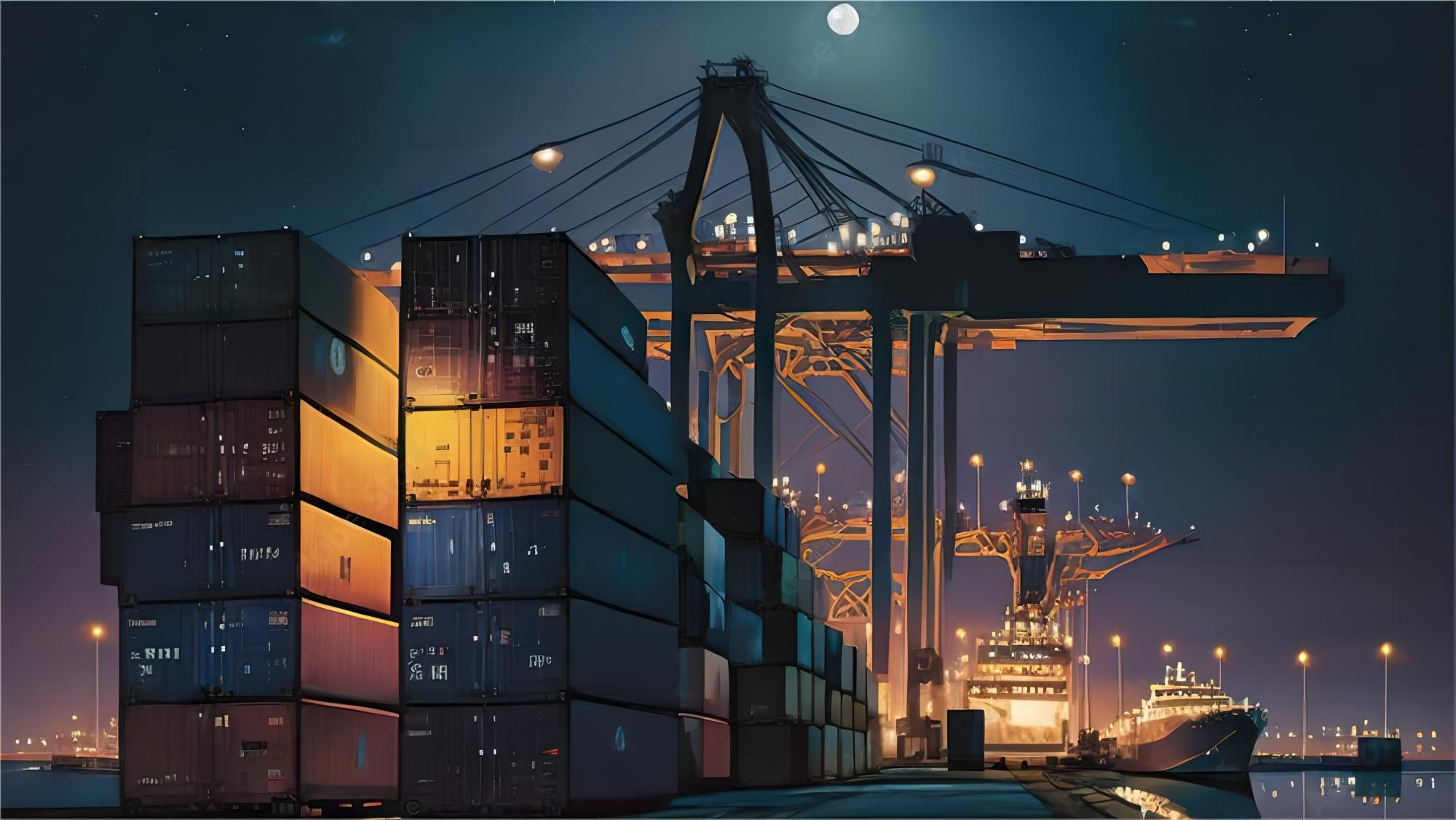
For large-scale shipments where time is not the primary constraint, sea freight remains the undisputed leader in cost efficiency. Shipping large volumes in 20GP or 40HQ containers allows businesses to achieve economies of scale that are impossible with other modes. Indeed, for most consumer goods and industrial components, the ocean route is the standard choice.
Additionally, choosing between Full Container Load (FCL) and Less than Container Load (LCL) depends on your specific volume requirements. FCL is generally faster and more secure, as the container is dedicated to a single shipper. On the other hand, LCL allows smaller businesses to share container space, making international trade accessible without needing to fill an entire 40-foot box.
Notably, the maritime industry in 2026 has focused heavily on sustainability and green shipping corridors. Many carriers now offer carbon-neutral shipping options, which can help your business meet its corporate social responsibility goals. However, transit times can still be affected by port congestion or seasonal weather patterns, so early booking is always recommended.
Rail Freight: The Sustainable Middle Ground
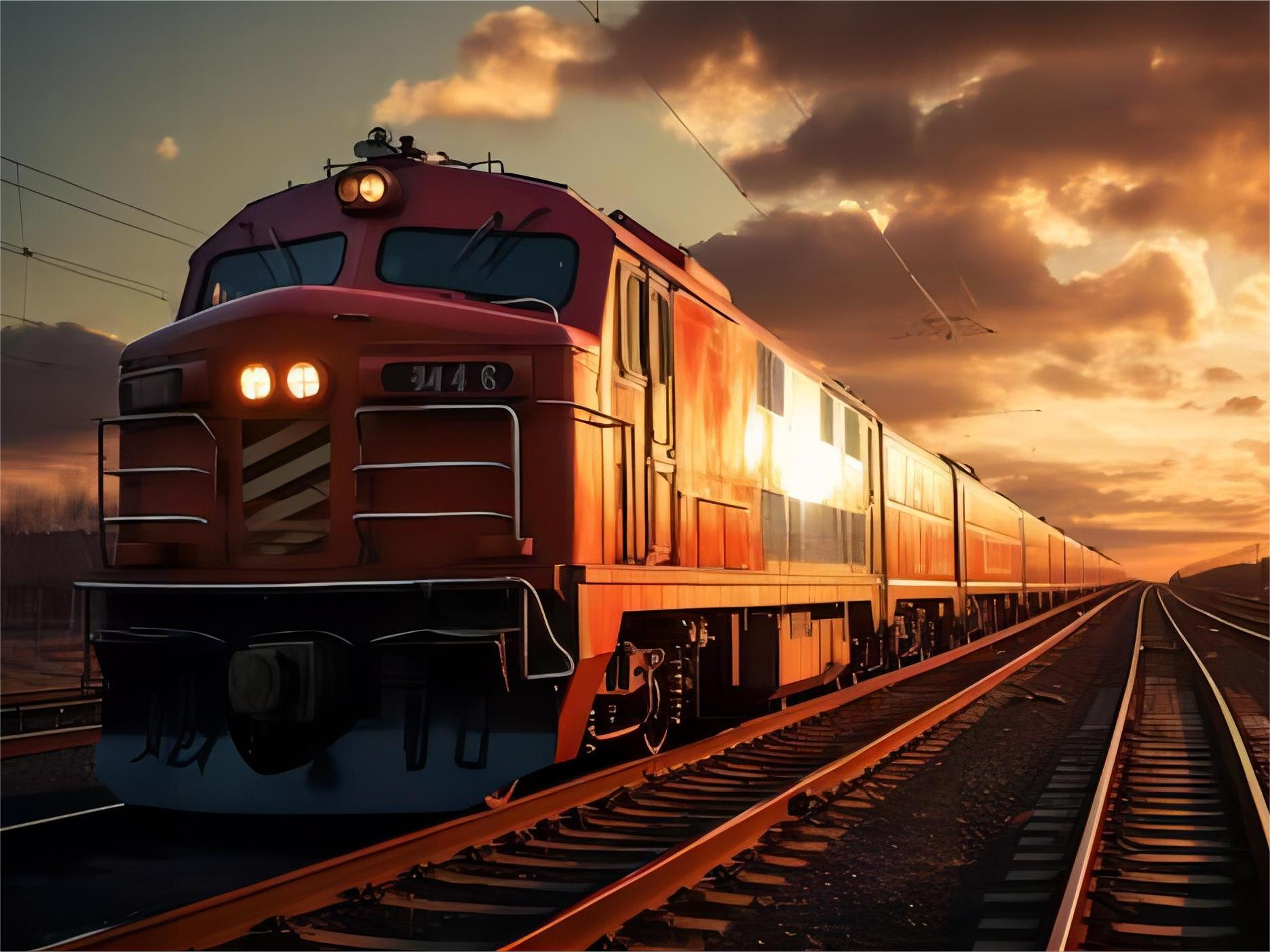
Implementing rail freight into your logistics strategy offers a balanced approach to transit time and budget. The Iron Silk Road connecting China to major European hubs like Warsaw, Hamburg, and Duisburg has become a staple for many manufacturers. Specifically, it provides a reliable alternative when sea routes are disrupted or air costs become prohibitive.
Furthermore, rail transport is significantly more environmentally friendly than air freight, producing lower carbon emissions per ton-mile. As environmental regulations tighten in 2026, moving cargo by train helps companies stay compliant with new standards. Consequently, this mode is ideal for automotive parts, machinery, and consumer electronics destined for the European market.
Meanwhile, the infrastructure for rail logistics has seen massive investment, leading to improved security and faster customs processing at border crossings. While it cannot reach North America or Australia, it remains the most efficient land-based solution for transcontinental trade. To illustrate, a shipment from Xi’an to Poland now takes roughly 14 to 16 days, which is less than half the time of sea transport.
Navigating Customs and Documentation Requirements
Managing the customs brokerage process is one of the most critical aspects of international shipping. Incorrect documentation can lead to costly delays, fines, or even the seizure of goods by authorities. Therefore, working with a freight forwarder who has deep expertise in local regulations is essential for a smooth clearance experience.
In addition to the standard commercial invoice and packing list, certain products require specialized certificates of origin or safety permits. For instance, electronics may need specific compliance markings, while food products require health certificates. Accordingly, ensuring all paperwork is accurate and submitted well in advance of the cargo arrival is a top priority for successful importers.
Moreover, the digital transformation of customs in 2026 has introduced automated filing systems that speed up the verification process. Despite these advancements, human expertise is still required to navigate complex tariff classifications and duty exemptions. By outsourcing this task to professionals, you can focus on your core business while experts handle the regulatory hurdles.
Door to Door Logistics and Supply Chain Efficiency
Choosing a door to door service simplifies the entire shipping process by providing a single point of contact for the entire journey. This comprehensive solution covers everything from factory pickup in China to final delivery at your warehouse or retail location. As a result, businesses can eliminate the hassle of coordinating with multiple local trucking companies and port agents.
Furthermore, door-to-door services often include integrated warehousing and distribution options, which are vital for supply chain optimization. By centralizing your logistics, you can reduce lead times and improve inventory turnover rates. Specifically, this approach is highly beneficial for e-commerce sellers who need reliable replenishment of their stock to meet customer demands.
Consequently, the transparency provided by an end-to-end service allows for more accurate forecasting and budgeting. You receive a single quote that covers all costs, including freight, duties, and local delivery fees. This predictability is invaluable in the volatile market of 2026, where hidden costs can quickly erode profit margins.
Case Studies: Real-World Logistics Success
Case Study 1: Electronics Distribution to Germany. Route: Shenzhen, China to Hamburg, Germany. Cargo: Consumer Electronics, 15 CBM, 4,500 kg. Container: LCL. Shipping Method: Rail Freight. Ocean Freight: Not applicable. Total Landed Cost: $6,200. Timeline: 18 days door-to-door. Key Insight: Choosing rail over sea saved 20 days, allowing the client to meet a product launch deadline without the high cost of air freight.
Case Study 2: Industrial Machinery to USA West Coast. Route: Shanghai, China to Los Angeles, USA. Cargo: CNC Machinery, 28 CBM. Container: 40GP. Shipping Method: Sea Freight. Ocean Freight: $3,400. Origin/Destination Charges: $950. Customs and Duties: $1,200. Total Landed Cost: $5,550. Timeline: 24 days door-to-door. Key Insight: Based on Q1 2026 market rates, FCL sea freight provided the lowest cost per unit for this heavy cargo.
Case Study 3: Urgent Fashion Samples to Australia. Route: Guangzhou, China to Sydney, Australia. Cargo: Clothing Samples, 2 CBM, 150 kg. Shipping Method: Air Freight. Total Landed Cost: $1,850. Timeline: 4 days door-to-door. Key Insight: Despite the higher cost, air freight was necessary to ensure the samples arrived in time for the seasonal fashion show, preventing a total loss of the marketing opportunity.
Which Option Should You Choose?
Deciding on the best shipping method depends on your specific priorities regarding budget, speed, and cargo type. If your primary goal is cost reduction and you have a flexible timeline, sea freight is almost always the recommended choice. However, if you are dealing with perishable goods or urgent contract fulfillment, air freight is the only viable solution.
For those operating within the Eurasian corridor, rail freight provides a strategic advantage that balances the pros and cons of both sea and air. It is particularly effective for mid-value goods that need to arrive faster than a ship but don’t justify the expense of a plane. Additionally, consider hybrid solutions if direct routes are experiencing seasonal spikes in pricing or congestion.
Ultimately, a diversified shipping strategy is the most resilient approach. By not relying on a single transport mode, your business can pivot quickly when disruptions occur. Consult with your freight forwarder to develop a customized logistics plan that aligns with your 2026 business objectives and budget constraints.
Conclusion
In conclusion, mastering your logistics strategy requires a deep understanding of the china freight forwarder air sea rail service landscape. By leveraging the unique benefits of each transport mode, you can create a supply chain that is both cost-effective and highly responsive to market changes.
Whether you are shipping bulk industrial goods or high-value electronics, the right partner will help you navigate the complexities of 2026 international trade. Prioritize flexibility, visibility, and expert guidance to ensure your business remains competitive in the global marketplace.