

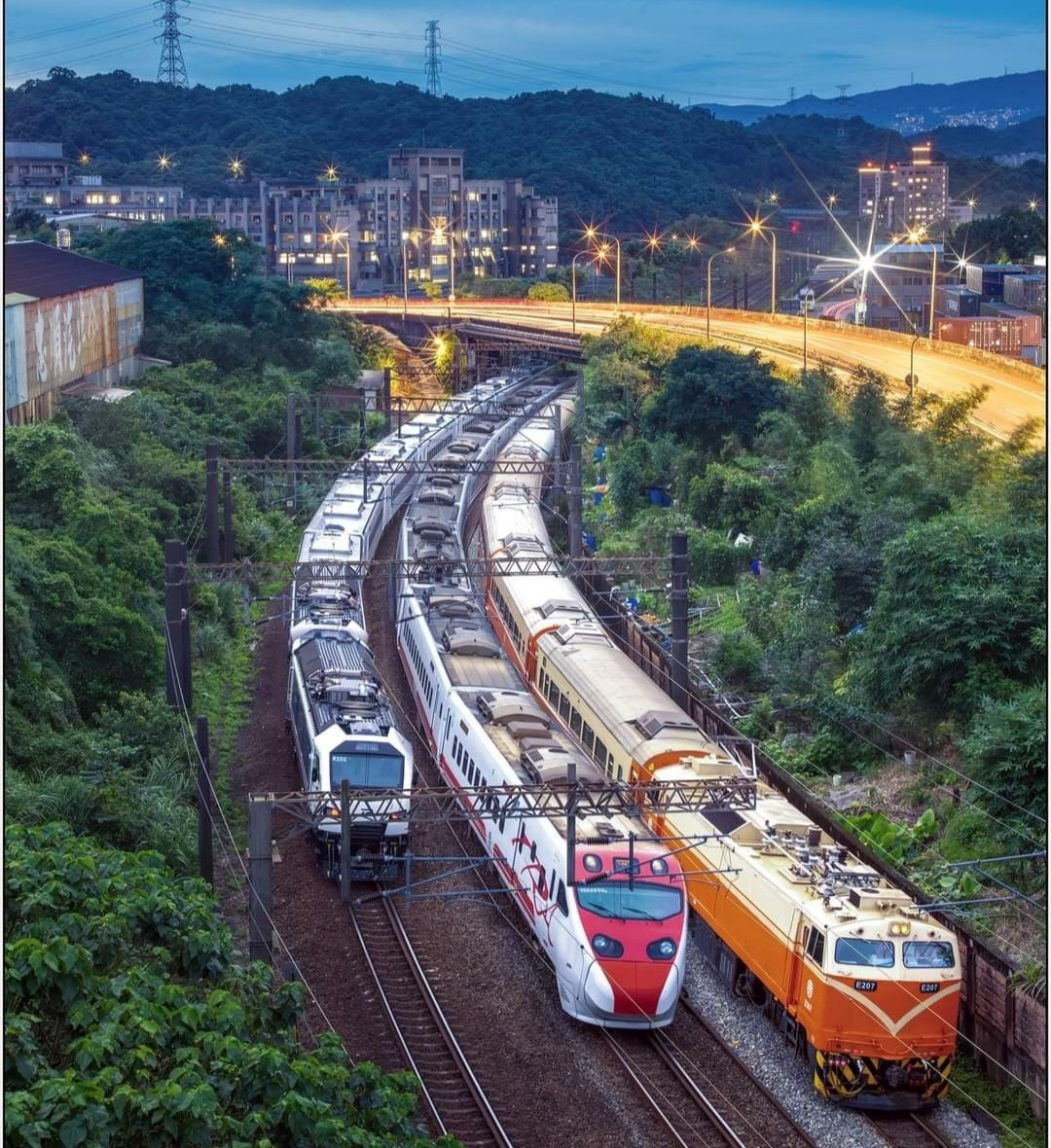
Stable rail freight capacity during peak shipping season has become a major concern for importers, retailers, manufacturers, and e-commerce sellers. During periods such as Black Friday, Christmas, back-to-school promotions, and year-end inventory replenishment, transportation demand often increases significantly.
However, many businesses struggle to secure shipping space when demand exceeds available capacity. Consequently, delayed bookings, higher freight rates, and inventory shortages can disrupt supply chain performance. Fortunately, rail freight offers a more predictable alternative for companies seeking reliable transportation during busy shipping periods. This guide explains how businesses can secure stable rail freight capacity, reduce seasonal logistics risks, and maintain supply chain continuity.

Why Is Stable Rail Freight Capacity During Peak Shipping Season So Important?
Peak seasons place significant pressure on global transportation networks.
As shipping demand rises, carriers, terminals, and warehouses often experience capacity constraints. Therefore, businesses that fail to secure transportation space early may face costly delays.
Impact of Capacity Shortages
| Issue | Business Consequence |
|---|---|
| Limited transport space | Shipment postponements |
| Higher freight rates | Increased logistics costs |
| Inventory shortages | Lost sales opportunities |
| Delivery delays | Customer dissatisfaction |
| Emergency shipping | Reduced profit margins |
Moreover, unstable transportation capacity can make inventory planning far more difficult.
As a result, many companies now prioritize transportation reliability over simply selecting the lowest freight rate.
How Does Rail Freight Compare with Other Modes During Peak Seasons?
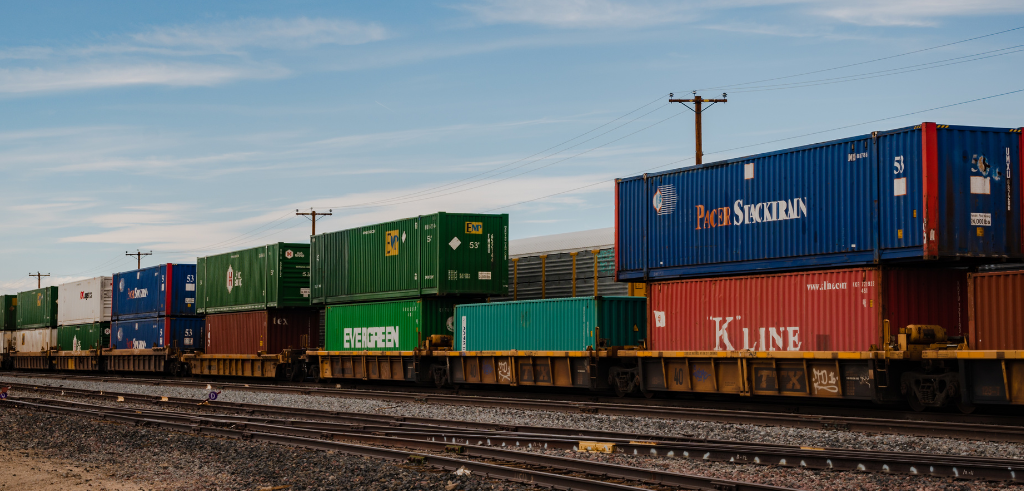
Rail freight provides a balance between speed, cost, and capacity stability.
While no transportation mode is completely immune to seasonal demand spikes, rail networks often experience fewer disruptions than ocean freight during peak periods.
Transportation Mode Comparison
| Factor | Rail Freight | Ocean Freight | Air Freight |
|---|---|---|---|
| Transit Time | 15–22 Days | 30–45 Days | 3–7 Days |
| Cost | Moderate | Lowest | Highest |
| Capacity Stability | High | Moderate | Limited |
| Schedule Reliability | High | Variable | High |
| Inventory Planning | Easier | More Challenging | Easier |
Furthermore, rail freight can help businesses avoid some of the congestion commonly seen at major seaports.
What Causes Capacity Shortages During Peak Shipping Seasons?
Understanding the causes of capacity shortages helps businesses prepare more effectively.
Common Capacity Constraints
| Factor | Impact |
|---|---|
| Seasonal demand surges | Reduced available space |
| Late bookings | Difficulty securing departures |
| Terminal congestion | Slower cargo handling |
| Equipment shortages | Limited container availability |
| Holiday disruptions | Schedule adjustments |
Additionally, sudden market changes can intensify competition for transportation resources.
Industries Most Affected
- Retail
- Consumer electronics
- Fashion
- Home goods
- Promotional merchandise
Consequently, companies operating in these sectors should begin transportation planning months before peak demand periods.
How Can Businesses Secure Stable Rail Freight Capacity During Peak Shipping Season?
Early planning remains the most effective strategy.
Companies that reserve capacity before seasonal demand peaks generally enjoy more flexibility and better pricing.
Recommended Capacity Planning Timeline
| Time Before Shipment | Recommended Action |
|---|---|
| 90 Days | Demand forecasting |
| 60 Days | Capacity reservation |
| 45 Days | Production confirmation |
| 30 Days | Documentation preparation |
| 14 Days | Final shipment verification |
Best Practices
- Forecast inventory requirements early.
- Secure transportation space in advance.
- Diversify supplier schedules.
- Maintain safety stock levels.
- Work with experienced rail freight providers.
Moreover, long-term transportation partnerships often provide better access to available capacity during busy seasons.
Can Stable Rail Freight Capacity Improve Seasonal Inventory Planning?
Reliable transportation capacity directly supports inventory management.
When businesses know their shipments will depart and arrive on schedule, inventory forecasting becomes more accurate.
Benefits for Inventory Planning
| Benefit | Operational Impact |
|---|---|
| Predictable arrivals | Better stock control |
| Reduced stockouts | Improved sales performance |
| Lower safety stock requirements | Reduced inventory costs |
| Better warehouse scheduling | Improved efficiency |
Additionally, stable transportation capacity reduces the need for expensive last-minute air freight shipments.
Therefore, companies can achieve better cost control while maintaining product availability.
Peak Season Rail Capacity Success Stories
Holiday Electronics Distribution Case
| Item | Details |
|---|---|
| Origin | Shenzhen, China → Budapest, Hungary |
| Cargo | Consumer electronics |
| Transit Time | 18 Days |
| Cost | €6,300 |
| Transportation Method | China-Europe Rail Freight |
| Customs Clearance Details | Pre-arrival customs preparation completed |
| Brief Overview | Capacity was secured 60 days before shipment, ensuring inventory arrived before Black Friday promotions. |
Fashion Retail Replenishment Case
| Item | Details |
|---|---|
| Origin | Hangzhou, China → Turin, Italy |
| Cargo | Autumn and winter apparel |
| Transit Time | 17 Days |
| Cost | €5,850 |
| Transportation Method | Rail Freight Service |
| Customs Clearance Details | Documentation reviewed before departure |
| Brief Overview | Early capacity booking enabled seasonal inventory replenishment without relying on costly expedited shipping. |
Home Improvement Products Case
| Item | Details |
|---|---|
| Origin | Foshan, China → Ljubljana, Slovenia |
| Cargo | Home renovation supplies |
| Transit Time | 20 Days |
| Cost | €6,550 |
| Transportation Method | Rail + Regional Distribution |
| Customs Clearance Details | Standard commercial clearance |
| Brief Overview | Guaranteed rail capacity helped distributors prepare inventory ahead of spring demand growth. |
What Role Do Freight Forwarders Play in Capacity Management?
Experienced freight forwarders can help businesses secure transportation space and manage seasonal demand fluctuations.
Freight Forwarder Advantages
| Service | Benefit |
|---|---|
| Capacity forecasting | Improved planning |
| Space allocation support | Higher booking success |
| Schedule monitoring | Better shipment visibility |
| Alternative routing | Reduced disruption risk |
| Customs coordination | Faster processing |
Furthermore, logistics providers often have access to carrier networks and capacity agreements that individual shippers may not obtain independently.
As a result, businesses gain greater flexibility during peak shipping periods.
How Can Technology Help Maintain Capacity Stability?
Digital logistics tools have become increasingly important in transportation planning.
Useful Technology Solutions
| Tool | Purpose |
|---|---|
| Demand forecasting software | Predict shipping volume |
| Transportation management systems | Booking coordination |
| Real-time tracking platforms | Shipment visibility |
| Inventory management software | Stock monitoring |
| Supply chain analytics | Performance optimization |
Moreover, data-driven planning enables companies to identify capacity risks before they become operational problems.
Consequently, businesses can make proactive decisions rather than reacting to disruptions.
Conclusion
Stable rail freight capacity during peak shipping season is essential for maintaining inventory availability, controlling transportation costs, and ensuring reliable customer service. Although seasonal demand creates pressure across global logistics networks, rail freight provides a dependable transportation option that balances speed, cost efficiency, and schedule reliability. Furthermore, early planning, capacity reservations, and strong logistics partnerships help businesses avoid disruptions and secure transportation space when demand is highest. By incorporating rail freight into peak season logistics strategies, companies can build a more resilient and predictable supply chain.
Need support securing stable rail freight capacity during peak shipping season?
FAQ:
Q1.When should businesses book rail freight during peak shipping seasons?
Most companies should reserve rail freight capacity at least 6–8 weeks before their planned shipment date to improve availability and pricing stability.
Q2.Is rail freight more reliable than ocean freight during peak seasons?
Rail freight often provides more predictable transit schedules and experiences less congestion than many major ocean shipping routes during busy periods.
Q3.Which industries benefit most from stable rail freight capacity?
Retail, electronics, fashion, home goods, and e-commerce businesses commonly use rail freight to support seasonal inventory replenishment.
Q4.How can businesses avoid capacity shortages?
Early forecasting, advance bookings, diversified supply chain planning, and collaboration with experienced logistics providers help reduce capacity risks.
Q5.Does stable rail freight capacity reduce logistics costs?
Yes. Reliable transportation planning reduces emergency shipments, minimizes stockouts, and improves inventory management efficiency.