


China Logistics Import Export Warehouse Service USA: 2026 Guide
China logistics import export warehouse service USA solutions have become the backbone of international trade between these two economic powerhouses in 2026. Business owners frequently encounter complex challenges when navigating the intricacies of transpacific supply chains, ranging from fluctuating freight rates to stringent customs regulations. By partnering with DSV-Freight, companies can effectively streamline their operations and ensure that their goods reach their destination on time and within budget. This comprehensive guide explores the essential components of a robust logistics strategy, including warehousing, shipping methods, and customs compliance.

Understanding the 2026 China Logistics Landscape
Understanding the current state of global trade is vital for any business involved in transpacific commerce. Currently, the industry is seeing a shift toward more resilient and digitized supply chains that can withstand geopolitical fluctuations. Market intelligence suggests that freight rates from China to the USA have stabilized in early 2026 after the volatility seen in previous years.
Furthermore, technological advancements in tracking and cargo handling have improved transparency for importers of all sizes. Consequently, businesses are now able to monitor their shipments in real-time, reducing the uncertainty often associated with long-distance logistics. This increased visibility allows for better inventory management and more accurate forecasting of delivery schedules.
Nevertheless, port congestion and labor availability remain factors that can influence the efficiency of your supply chain. Therefore, working with a provider that offers integrated services is more important than ever to mitigate these potential risks. By utilizing a comprehensive service, you can ensure that every step of the journey is managed by experts who understand the local nuances of both markets.
Why Choose a Comprehensive China Logistics Import Export Warehouse Service USA?
Selecting a provider that offers an all-in-one solution simplifies the complex process of moving goods across the ocean. This integrated approach combines transportation, warehousing, and customs clearance into a single, seamless workflow. Additionally, having one point of contact reduces the risk of communication errors that often occur when multiple vendors are involved.
Most importantly, a comprehensive service provider can offer better rates by bundling different aspects of the logistics process. For example, combining storage with final-mile delivery can lead to significant cost savings over time. Without a doubt, the convenience of a unified platform allows business owners to focus on their core operations rather than managing logistics minutiae.
Moreover, specialized warehouse services in both China and the USA provide a strategic advantage for managing stock levels. These facilities are equipped to handle various cargo types, ensuring that your products are stored safely and efficiently. As a result, you can maintain a steady flow of inventory to meet the demands of the American market without overextending your resources.
How Does Sea Freight Compare to Other Shipping Options?
Comparing different shipping methods is essential for balancing cost and speed in your supply chain strategy. Ocean freight remains the most popular choice for large volumes of goods due to its unparalleled capacity and lower price point. While it is slower than other methods, it provides a stable foundation for businesses with predictable demand cycles.
Consequently, many importers prioritize sea freight for bulk shipments to Los Angeles or New York. In addition, this method allows for the transport of oversized items that would be prohibitively expensive via air. Indeed, the cost-per-unit advantage of ocean transport is difficult to beat for high-volume retailers.
However, you must account for longer transit times when choosing this option, which can range from two to five weeks depending on the destination port. For instance, shipping to the West Coast is significantly faster than reaching the East Coast via the Panama Canal. Therefore, careful planning of your delivery schedule is necessary to avoid stockouts during peak seasons.
| Shipping Method | Cost Range | Transit Time | Best For |
|---|---|---|---|
| Sea Freight (FCL) | $1,800 – $3,500 | 14-35 Days | Bulk Inventory |
| Sea Freight (LCL) | $50 – $150/CBM | 20-40 Days | Small Batches |
| Air Freight | $4.50 – $9.00/kg | 3-7 Days | High Value |
| Express Service | $8.00 – $15.00/kg | 2-5 Days | Samples/Urgent |

Optimizing Transit Time via Air Freight and Express Services
Air freight offers a critical alternative when speed is the primary concern for your business operations. Moreover, air freight is ideal for high-value electronics, fashion items, or perishable goods that require rapid delivery. Speed is the most significant advantage here, with most shipments arriving within a week of departure.
For instance, urgent restocking of popular items can be handled quickly to prevent lost sales during holiday periods. In contrast, the cost of air transport is significantly higher than sea freight, making it less suitable for low-margin products. Accordingly, many businesses use a hybrid approach, reserving air transport for their most time-sensitive cargo.
Effective logistics management involves knowing when to switch between these modes to optimize both cost and delivery speed. To illustrate, you might ship your core inventory via sea but use air freight for new product launches or emergency replacements. This flexibility ensures that your supply chain remains agile in the face of changing market conditions.
The Strategic Importance of Warehousing and Cargo Handling
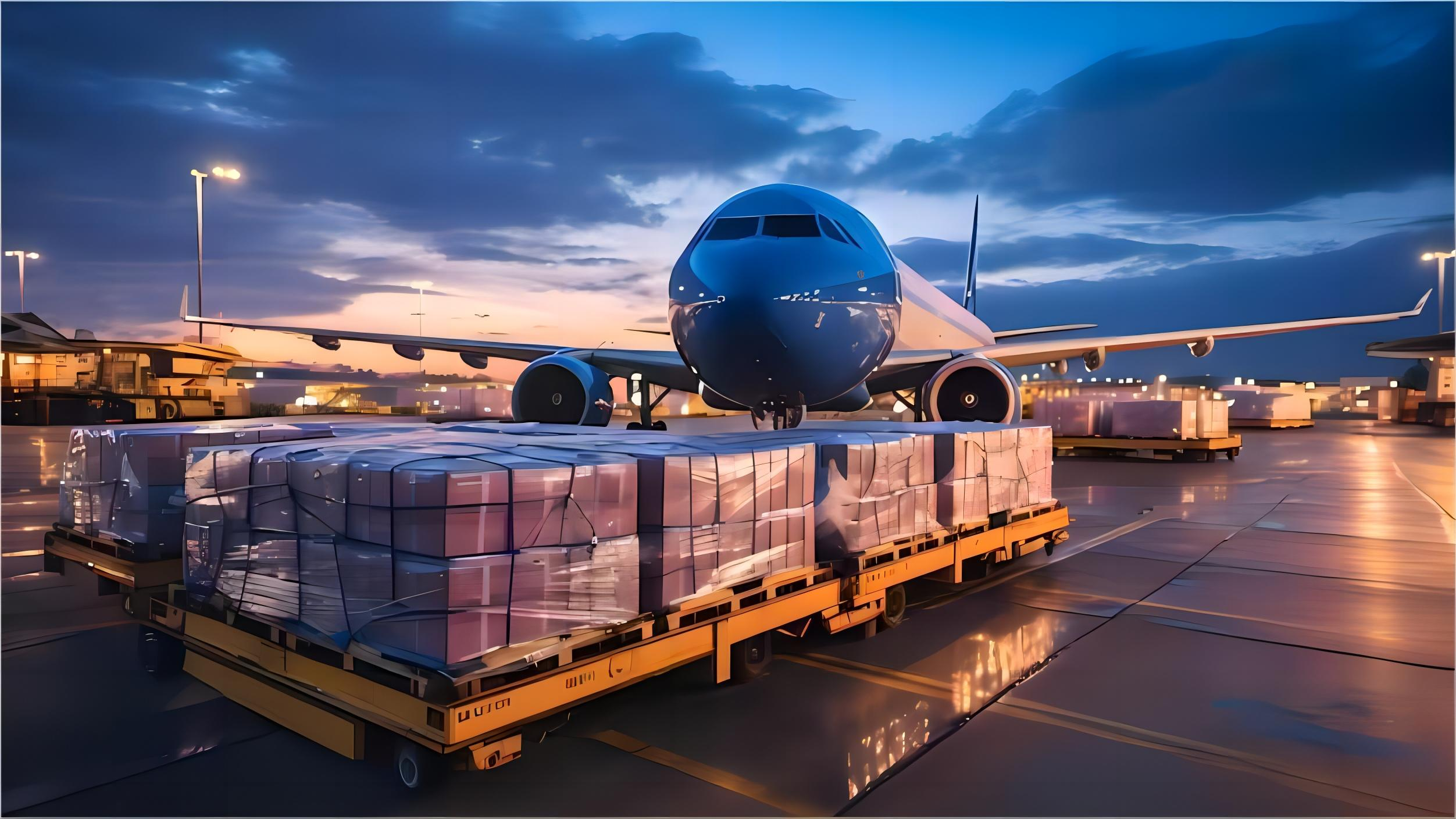
Modern warehousing plays a pivotal role in the China logistics import export warehouse service USA ecosystem. Storage facilities are no longer just places to keep goods; they have evolved into sophisticated distribution centers. Specifically, these warehouses offer value-added services such as labeling, kitting, and quality control inspections before goods are shipped to the final customer.
To summarize, having a warehouse presence in both China and the USA allows for better control over the entire fulfillment process. For example, consolidating multiple smaller shipments into a single container in China can drastically reduce your ocean freight costs. Meanwhile, US-based warehouses facilitate faster last-mile delivery to local consumers, improving the overall customer experience.
Professional cargo handling ensures that your products are treated with care throughout the journey, minimizing the risk of damage. Consequently, choosing a provider with high standards for equipment and personnel is vital for maintaining product integrity. Without a doubt, a well-organized warehouse strategy is a key differentiator for successful international brands.
Navigating Customs Brokerage and Compliance in 2026
Navigating the complexities of international trade laws requires expert knowledge and attention to detail. Professional customs brokerage services are essential for ensuring that your shipments comply with all US Customs and Border Protection regulations. Compliance is not just about following rules; it is about avoiding costly delays and penalties that can derail your business.
Without a doubt, the 2026 regulatory environment has introduced new requirements for digital documentation and sustainability reporting. Therefore, your logistics partner must stay updated on the latest changes in tariff classifications and duty rates. For instance, correctly classifying your goods under the Harmonized Tariff Schedule can save you thousands of dollars in unnecessary taxes.
Additionally, a skilled broker can assist with the preparation of essential documents like the Bill of Lading, Commercial Invoice, and Packing List. In fact, many customs issues arise from simple clerical errors that could have been avoided with professional oversight. By outsourcing this task, you ensure that your goods move through ports of entry without friction.

Managing Your Amazon FBA Shipments from China
Selling on Amazon requires a specialized logistics approach to meet the platform’s strict delivery and packaging standards. Sellers often choose Amazon FBA services to handle the storage and shipping of their products to customers. Efficiently managing the flow of goods from Chinese factories to US fulfillment centers is critical for maintaining a high seller rating.
Managing this process involves coordinating with carriers that understand Amazon’s specific requirements for palletization and labeling. Furthermore, many logistics providers offer inspection services in China to ensure that products meet Amazon’s quality standards before they leave the country. As a result, you can avoid the headache of rejected shipments or account suspensions due to non-compliance.
Moreover, utilizing a third-party warehouse in the USA can provide a buffer for your inventory, allowing you to restock FBA centers quickly as needed. This strategy helps you avoid Amazon’s long-term storage fees while ensuring that your products are always available for Prime delivery. Indeed, a smart FBA logistics plan is essential for scaling your e-commerce business in 2026.
Door to Door Solutions for Modern Importers
Door to door services provide the ultimate convenience for businesses that want a hands-off approach to international shipping. By choosing a door to door solution, you entrust the entire journey from the factory floor in China to your warehouse in the USA to a single provider. This eliminates the need for you to coordinate with multiple truckers, carriers, and brokers along the way.
Choosing this method is particularly beneficial for small to medium-sized enterprises that may not have dedicated logistics departments. Specifically, the provider handles everything from local pickup and export clearance to ocean transport and final delivery. Consequently, you receive a single invoice and a single tracking number for the entire shipment, simplifying your accounting and operations.
Customers today expect transparency and reliability, which this service model is designed to provide. While it may carry a slight premium in price, the time saved and the reduction in potential errors often outweigh the additional cost. Therefore, it remains a top choice for businesses looking to streamline their China logistics import export warehouse service USA requirements.
Real-World Case Studies in 2026 Logistics
Case Study 1: An electronics importer based in California needed to move 500 units of high-end tablets from Shenzhen to Los Angeles. Based on Q1 2026 market rates, they chose a 40HQ container to maximize space and reduce the per-unit shipping cost. The total landed cost was approximately $3,400, and the door-to-door transit time was completed in 18 days with zero customs delays.
Another successful example involved a fashion retailer in New York shipping seasonal apparel from Ningbo. Successful delivery was achieved using LCL sea freight for a 5 CBM shipment, which cost roughly $980 including destination charges. Despite a minor port congestion issue, the goods arrived in 34 days, allowing the client to launch their spring collection on schedule.
These scenarios demonstrate that having a clear strategy and a reliable partner can overcome typical shipping challenges. Whether you are moving full containers or smaller batches, the principles of planning and professional management remain the same. In fact, these case studies highlight the importance of choosing the right method for your specific cargo type and budget.
Which Option Should You Choose? (Decision Framework)
Deciding on the best shipping strategy depends on your specific priorities regarding budget, speed, and cargo volume. Budget-conscious importers should prioritize FCL sea freight whenever possible to take advantage of the lowest possible rates. Conversely, if your cargo is worth more than $50,000 or is extremely time-sensitive, air freight is likely the better investment.
Cargo type also plays a major role; for example, hazardous materials or oversized machinery require specialized handling that only certain carriers provide. Finally, consider your volume thresholds, as switching from LCL to FCL typically becomes more economical once your shipment exceeds 15 cubic meters. By analyzing these factors, you can build a logistics plan that supports your business goals in the coming year.
Note: Freight rates are subject to change based on fuel costs, carrier capacity, and seasonal demand. Contact us for a current quote tailored to your specific shipment.
| Priority | Recommended Method | Key Benefit | Main Trade-off |
|---|---|---|---|
| Lowest Cost | Sea Freight FCL | Cheapest Per Unit | Longest Transit |
| Maximum Speed | Air Freight | Fastest Delivery | Highest Price |
| Flexibility | LCL Shipping | No Minimum Volume | Higher Handling Risk |
| Convenience | Door to Door | Hands-off Process | Service Premium |
Mastering Your 2026 Supply Chain
To summarize, navigating the China logistics import export warehouse service USA landscape requires a blend of strategic planning and expert execution. By understanding the differences between shipping methods and the importance of customs compliance, you can significantly reduce your operational risks. Moreover, leveraging the right warehousing solutions ensures that your inventory is always ready to meet consumer demand.
As we move through 2026, the businesses that succeed will be those that prioritize supply chain agility and transparency. Therefore, partnering with a professional logistics provider is not just a service choice, but a strategic investment in your company’s future growth. Whether you are shipping bulk goods or managing an FBA store, the right logistics framework is your key to success in the global marketplace.
Need a tailored shipping solution?
Streamline your supply chain today with our expert China logistics import export warehouse service USA. Contact our team for a personalized quote and discover how we can optimize your shipping routes for 2026. Visit our website to learn more: Send Inquiry