

Shipping Delay China Customs Inspection Solution USA 2026 Guide
“Shipping delay china customs inspection solution usa is a primary concern for importers navigating the complex 2026 trade environment between Asia and North America. Business owners frequently encounter unexpected holdups that disrupt supply chains and inflate overhead costs. Visit AliChinaFreight to discover how professional logistics management can streamline your entire import process from start to finish. Our team provides comprehensive strategies to mitigate risks and ensure your cargo reaches its destination without unnecessary setbacks.”

Why Are Customs Inspections Increasing in 2026?
❖Global trade dynamics in 2026 have shifted toward stricter compliance and enhanced security protocols for all trans-Pacific shipments. Consequently, the United States Customs and Border Protection (CBP) has increased the frequency of intensive examinations to verify cargo descriptions and valuations. Importers often struggle with these delays because they fail to account for the rigorous data requirements of modern automated systems.
Furthermore, new environmental regulations and trade policies have prompted more frequent physical inspections of manufactured goods. Specifically, products containing lithium batteries or specialized textiles face higher scrutiny during the entry process. As a result, businesses must adapt by providing more granular data at the point of origin to satisfy both Chinese export and US import authorities.
Moreover, the rise of e-commerce has flooded ports with smaller, high-frequency shipments that require individual verification. This volume surge naturally leads to bottlenecks at major hubs like Los Angeles and Long Beach. Nevertheless, a well-prepared importer can bypass common pitfalls by maintaining a transparent and documented supply chain.
How to Implement a Shipping Delay China Customs Inspection Solution USA
❖Identifying the root cause of a hold is the first step toward a successful shipping delay china customs inspection solution usa. For instance, many delays stem from simple clerical errors on the Bill of Lading or Commercial Invoice. Additionally, ensuring that your Harmonized System (HS) codes are accurate can prevent most automated flags in the CBP system.
Proactive communication with your freight forwarder is another essential strategy for maintaining a fluid delivery schedule. For example, your agent can verify that all Wood Packaging Material (WPM) meets international fumigation standards before the container leaves the port. Meanwhile, digital tracking tools allow you to monitor the status of your cargo in real-time, providing early warnings of potential inspections.
Indeed, hiring a professional customs brokerage service significantly reduces the likelihood of prolonged holds. These experts possess the local knowledge required to navigate complex tariff schedules and bond requirements. Without a doubt, investing in expert representation is the most effective way to safeguard your cargo from indefinite storage at the terminal.
How Does Sea Freight Compare to Other Shipping Options?
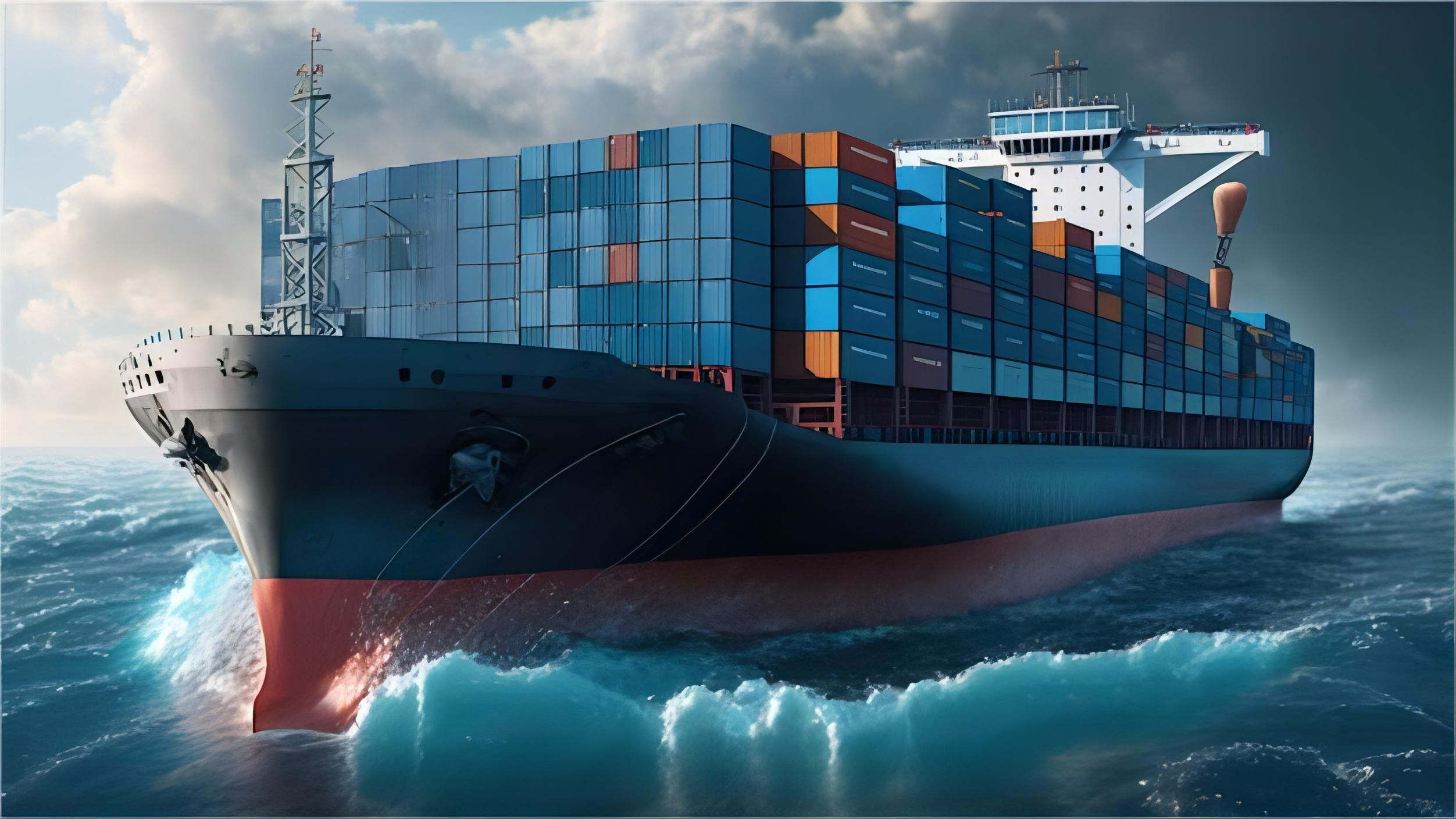
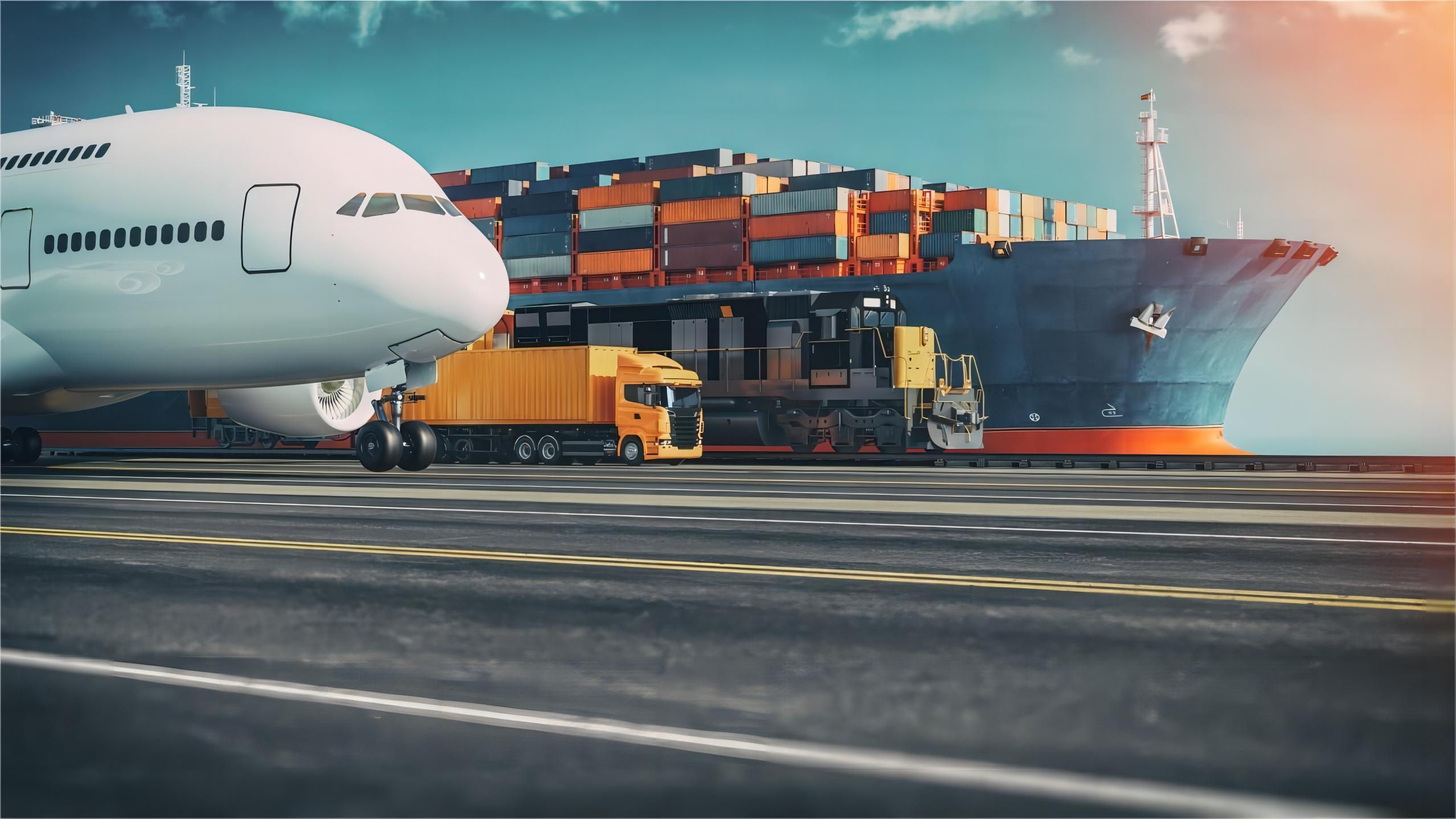
❖Sea freight remains the most popular method for moving large volumes of goods from China to North America due to its cost-effectiveness. However, it is also the method most susceptible to customs-related delays due to the sheer volume of containers handled at maritime ports. In contrast, air freight offers a faster but significantly more expensive alternative for urgent inventory needs.
Moreover, choosing between Full Container Load (FCL) and Less than Container Load (LCL) can impact your inspection risk. While FCL shipments are generally easier to track, LCL cargo is often delayed if a single package in the shared container triggers a customs hold. Therefore, high-volume importers should prioritize FCL whenever possible to maintain better control over their transit times.
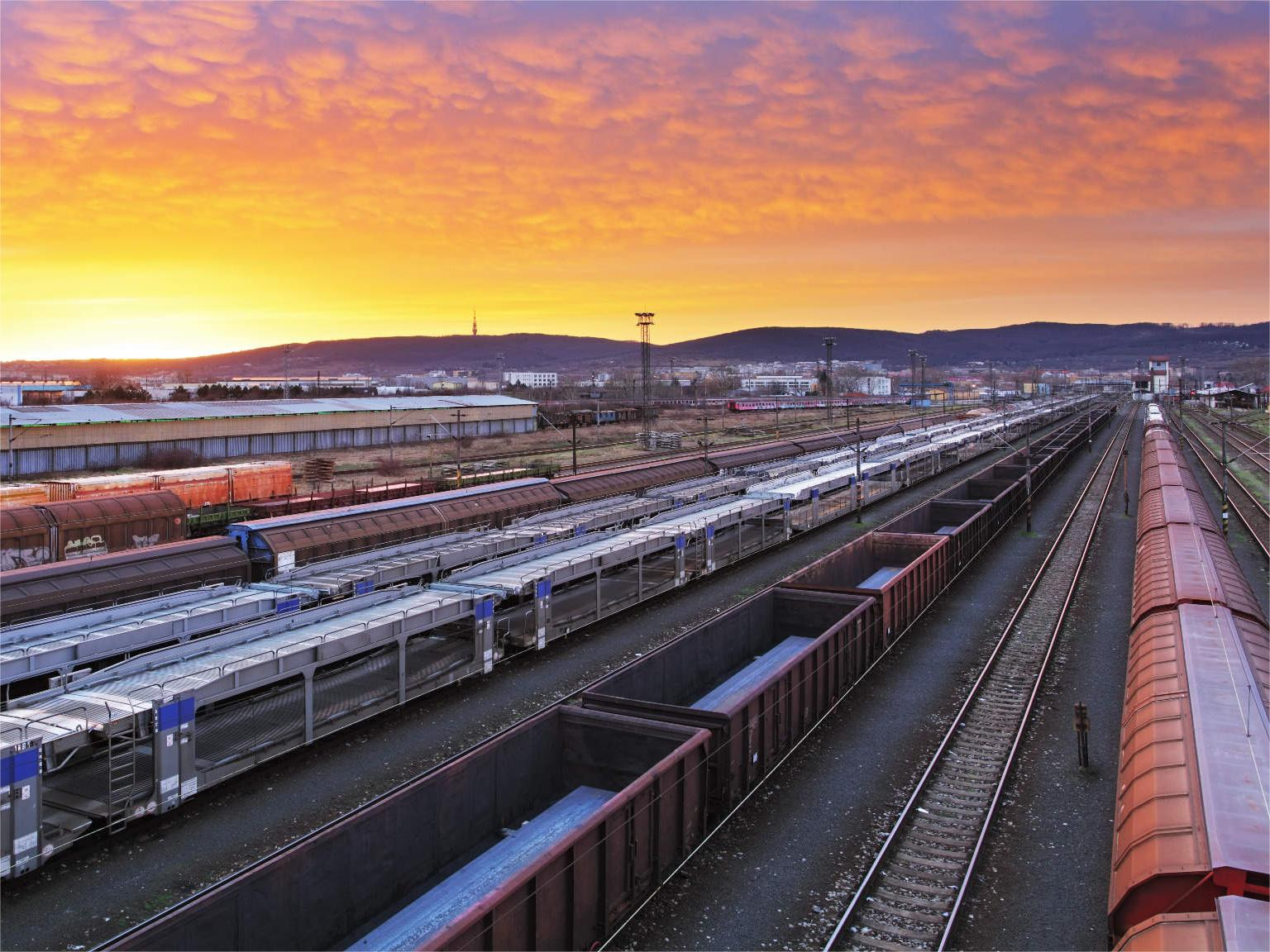
Additionally, rail freight is not a viable option for direct China-to-USA routes, though it serves as a critical link for inland distribution once the cargo arrives at a coastal port. Consequently, businesses must focus on optimizing their ocean and air strategies to ensure a resilient supply chain. Below is a detailed comparison of the primary shipping methods used in 2026.
| Shipping Method | Cost Range (2026) | Transit Time | Best For | Limitations |
|---|---|---|---|---|
| Sea Freight (FCL) | $1,800 – $4,200 | 14 – 35 Days | Bulk goods and large orders | Slower transit and port delays |
| Air Freight | $6 – $14 per kg | 3 – 7 Days | High-value electronics | Very high cost for volume |
| Express Service | $9 – $18 per kg | 2 – 5 Days | Samples and small parcels | Highest per-unit cost |
| Sea-Air Hybrid | $3 – $7 per kg | 12 – 20 Days | Fashion and urgent stock | Complex logistics handling |
Which Option Should You Choose for USA Imports?
❖Budget priority dictates that sea freight is the optimal choice for non-urgent shipments exceeding 15 cubic meters. For instance, a 40HQ container from Shanghai to New York offers the lowest cost per unit for furniture or heavy machinery. On the other hand, if speed is your primary concern, air freight is the only reliable way to meet tight retail deadlines.
Cargo type considerations also play a major role in determining the best shipping strategy. Specifically, hazardous materials or oversized equipment require specialized handling that may limit your carrier options. Furthermore, high-value goods like luxury items should always utilize express or air services to minimize the risk of theft and damage during long sea transits.
Volume thresholds for switching methods are critical for maximizing profitability. Generally, once a shipment exceeds 1,000 kilograms, the cost advantage of air freight begins to diminish rapidly compared to ocean transport. Consequently, savvy logistics managers often use a mix of methods to balance speed and expense throughout the fiscal year.
Case Study 1: Resolving Electronics Delays in Shenzhen
❖Case Study 01: Shenzhen to Los Angeles Electronics Shipment. This scenario involved a shipment of consumer electronics that faced a potential 14-day delay due to missing battery certifications. By implementing a proactive shipping delay china customs inspection solution usa, the importer was able to provide the necessary documentation within 24 hours.
Route: Shenzhen, China to Los Angeles, USA. Cargo: Consumer Electronics, 68 CBM, 14500 kg. Container: 40HQ. Shipping Details: Major carrier, Port of Loading: Shenzhen, Port of Discharge: Los Angeles. Route Type: Direct.
Cost Breakdown: Ocean Freight: $3,450. Origin Charges: $520. Destination Charges: $680. Customs and Duties: $1,450. Total Landed Cost: $6,100. Timeline: Booking to Loading: 4 days. Sea Transit: 16 days. Customs Clearance: 2 days. Total Door-to-Door: 22 days. Key Insight: Accurate HTS classification and pre-filed ISF documents saved the client from thousands of dollars in demurrage fees. Typical rates as of early 2026.
Case Study 2: Expedited Apparel Shipping from Ningbo
❖Case Study 02: Ningbo to Savannah Textile Import. A fashion retailer needed a rapid solution for a seasonal collection that was caught in a random customs inspection. Because the client used a professional Amazon FBA logistics partner, the inspection process was expedited through prioritized communication.
Route: Ningbo, China to Savannah, USA. Cargo: Apparel and Textiles, 22 CBM, 4500 kg. Container: LCL 22 CBM. Shipping Details: Direct service to US East Coast. Port of Loading: Ningbo. Port of Discharge: Savannah.
Cost Breakdown: Ocean Freight: $1,950. Origin Charges: $380. Destination Charges: $420. Customs and Duties: $850. Total Landed Cost: $3,600. Timeline: Booking to Loading: 3 days. Sea Transit: 28 days. Customs Clearance: 5 days. Total Door-to-Door: 36 days. Key Insight: Using a dedicated customs broker allowed for partial release of the cargo while the inspection was finalized. Based on Q3 2025 market rates.
Essential Documentation for US Customs Compliance
❖Documentation accuracy is the most effective shipping delay china customs inspection solution usa. For example, the Commercial Invoice must clearly state the value, country of origin, and detailed description of every item. Additionally, the Packing List should correspond exactly with the physical contents of the container to avoid red flags during X-ray scans.
Importers must also submit the Importer Security Filing (ISF) at least 24 hours before the vessel departs from the Chinese port. Failure to do so results in heavy fines and almost guaranteed inspections upon arrival in the United States. Moreover, specialized products may require certificates of conformity or FDA approvals depending on their intended use.
Finally, maintaining a digital archive of all past shipments can help establish a positive compliance history with CBP. This track record often leads to fewer inspections over time as the authorities recognize your business as a low-risk importer. The table below outlines the core documents required for a smooth clearance process in 2026.
| Document Name | Purpose | Required By | Impact of Error |
|---|---|---|---|
| Bill of Lading | Title of goods | Carrier/Customs | Release delays |
| Commercial Invoice | Duty calculation | CBP | Valuation penalties |
| ISF (10+2) | Security screening | US Customs | $5,000 fine per error |
| Packing List | Cargo verification | Warehouse/CBP | Physical inspection |
Navigating Regional Challenges in North America
❖Regional differences between West Coast and East Coast ports can significantly influence your logistics strategy. For instance, shipping to North America via Los Angeles is faster but often more prone to labor-related congestion. Conversely, East Coast ports like Savannah or New York provide better access to the Atlantic corridor despite the longer sea transit time.
Furthermore, the choice of port affects the final drayage and inland trucking costs. Specifically, if your warehouse is located in the Midwest, a West Coast entry combined with rail transport might be the most economical route. However, if your cargo is time-sensitive, a direct water route to an East Coast port could eliminate the risk of rail yard bottlenecks.
Consequently, businesses should diversify their entry points to avoid being paralyzed by a single port closure or local strike. By spreading inventory across multiple gateways, you create a more flexible supply chain that can adapt to regional disruptions. This approach is particularly effective during the peak shipping season from August to October when rates typically increase by 20 percent.
Mastering Your Import Logistics in 2026
Successfully managing a shipping delay china customs inspection solution usa requires a combination of meticulous documentation, strategic planning, and professional partnerships. While the 2026 logistics landscape presents new challenges, it also offers advanced digital tools for those willing to adapt. By prioritizing compliance and choosing the right shipping methods, you can ensure your goods move efficiently across the Pacific.
Ultimately, the goal is to create a predictable and cost-effective flow of inventory that supports your business growth. Whether you utilize sea, air, or <a href=”https://alichinafreight.com/services/door-to-door/”>door to door</a> services, staying informed about current market trends and customs regulations is essential. Note: Freight rates are subject to change based on fuel costs, carrier capacity, and seasonal demand. Contact us for a current quote tailored to your specific shipment.

Ready to streamline your logistics?
Take control of your supply chain today and eliminate the stress of unexpected cargo holds. Contact our expert team for a comprehensive shipping delay china customs inspection solution usa tailored to your business needs. Send Inquiry: Visit alichinafreight.com to get your free 2026 freight quote now.
Request Quote