

China Rail Freight Delay Compensation Service Europe: 2026 Guide
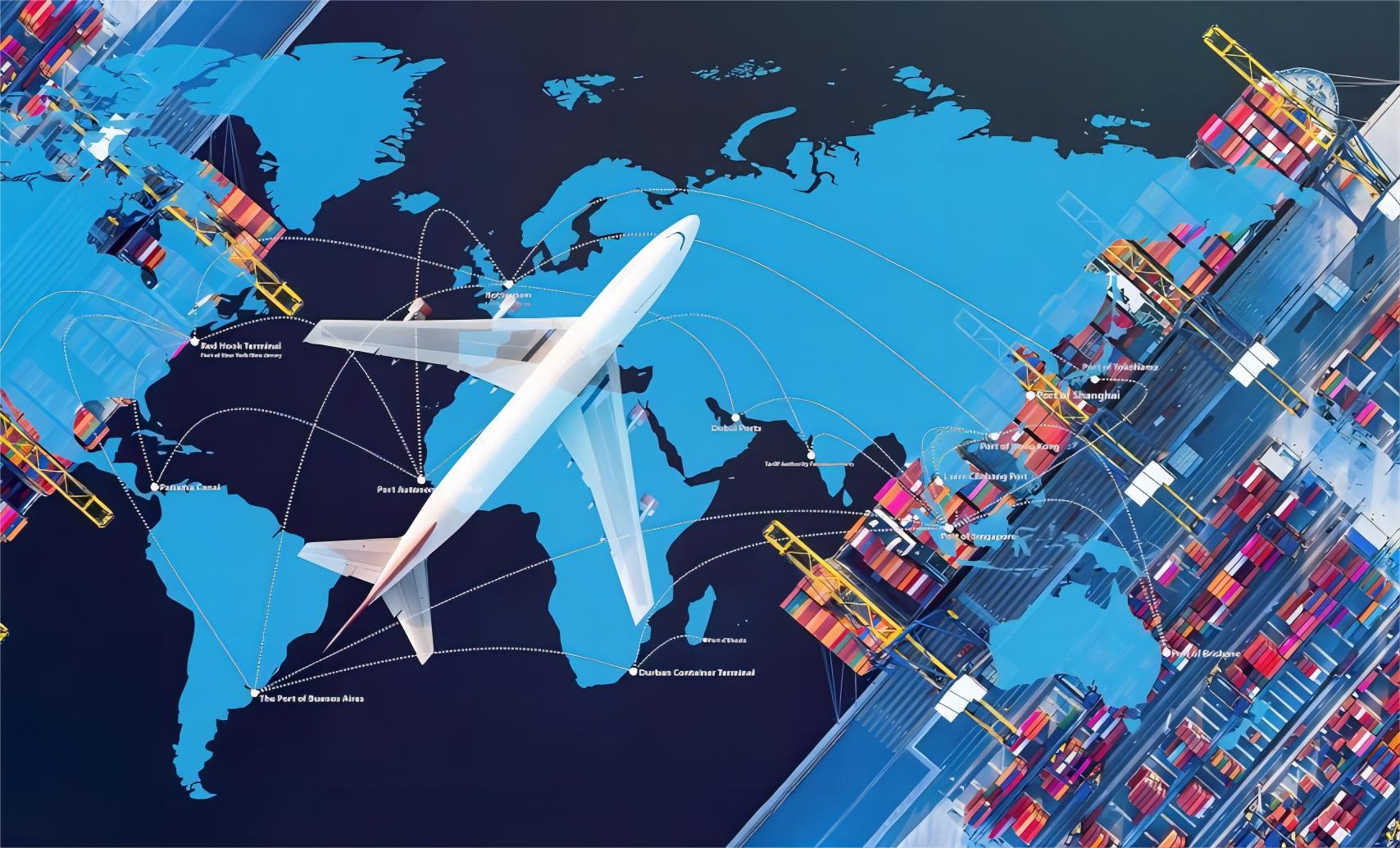
Navigating the complex logistics of the Silk Road requires a robust china rail freight delay compensation service europe to protect your investment. In the current 2026 market, transit stability remains a top priority for businesses shipping across the Eurasian land bridge. Visit alichinafreight.com to discover how our logistics solutions ensure your supply chain remains resilient against unforeseen scheduling disruptions.
What is the China Rail Freight Delay Compensation Service Europe?
A china rail freight delay compensation service europe provides a financial safety net for importers facing late deliveries. This service typically covers a portion of the freight costs if the train arrives past the agreed-upon lead time. Consequently, businesses can recover liquidated damages to offset the costs of production halts or missed retail deadlines.
Moreover, the 2026 logistics landscape has seen an increase in these specialized service offerings. Most providers now integrate compensation directly into their standard rail freight agreements. This shift ensures that shippers are not left vulnerable to the whims of border congestion or technical failures.
Furthermore, understanding the specific terms of these services is essential for modern supply chain management. Many policies vary based on the specific rail route, such as the northern corridor through Russia or the middle corridor via the Caspian Sea. Therefore, shippers must scrutinize the fine print regarding force majeure and carrier liability.
Indeed, these compensation schemes are becoming a standard industry benchmark for reliability. They represent a commitment from logistics providers to maintain high service levels despite the geographical challenges of trans-continental transport. Accordingly, choosing a partner with a transparent refund policy is a strategic move for any European importer.
Common Causes of Rail Delays in 2026
Border congestion remains the primary driver of transit delays between China and Europe. As of early 2026, the gauge change at the Dostyk and Alashankou crossings often creates significant bottlenecks during peak shipping seasons. Meanwhile, increased cargo volumes continue to test the infrastructure limits of these critical transit points.
Additionally, geopolitical shifts in the region have introduced new layers of complexity to the delivery schedule. Variations in regional customs inspections can suddenly add several days to the total transit time without prior notice. As a result, logistics planners must account for these variables when calculating their inventory turnover rates.
Technological upgrades to the rail networks, while beneficial in the long term, often cause temporary service suspensions. For instance, maintenance on the Polish-Belarusian border tracks has frequently led to rerouting and subsequent delays this year. Nevertheless, these improvements are necessary to support the growing demand for sustainable overland transport.
Weather conditions across the vast Eurasian steppes also play a significant role in cargo handling efficiency. Extreme winters or heavy flooding can halt train movements for days at a time, impacting the entire supply chain. Consequently, a robust china rail freight delay compensation service europe is vital for mitigating these environmental risks.
How Does Rail Freight Compare to Other Shipping Options?
Comparing different transport modes is essential for optimizing your logistics budget and speed requirements. While rail offers a middle ground, other methods provide unique benefits depending on the cargo type and urgency. For example, air freight is the fastest but carries the highest price tag per kilogram.
On the other hand, sea freight remains the most economical choice for massive volumes, despite its longer transit times. However, the 2026 market has seen rail freight become increasingly competitive for mid-value goods like electronics and automotive parts. Without a doubt, the balance between cost and speed is the deciding factor for most procurement managers.
In contrast, hybrid solutions like sea-air or rail-truck combinations are gaining popularity for their flexibility. These options allow businesses to bypass specific bottlenecks by switching modes at strategic hubs. To summarize, the best choice depends on your specific priority: cost, speed, or reliability.
| Shipping Method | Cost Range (USD) | Transit Time | Best For | Limitations |
|---|---|---|---|---|
| Rail Freight | $3,000 – $4,500 (40HQ) | 18 – 25 Days | Mid-value goods | Border gauge changes |
| Sea Freight | $1,800 – $3,500 (40HQ) | 30 – 40 Days | Bulk commodities | Port congestion |
| Air Freight | $5.00 – $9.00 / kg | 5 – 8 Days | Urgent shipments | High carbon footprint |
| Express Service | $12.00 – $18.00 / kg | 3 – 5 Days | Samples / Documents | Volume restrictions |
Which Option Should You Choose for Your Business?
Budget priority dictates that sea freight is often the most suitable choice for non-urgent shipments. If your margins are tight and your lead times are flexible, the lower ocean freight rates will significantly benefit your bottom line. Moreover, sea transport is ideal for oversized or hazardous materials that face rail restrictions.
Speed priority necessitates the use of air or express services to meet tight market demands. If you are launching a new product or replenishing low stock, the higher cost is justified by the rapid delivery. Additionally, our door to door service simplifies this process by managing the entire journey from factory to warehouse.
Volume thresholds also play a critical role in the decision-making process for logistics managers. For shipments under 15 CBM, Less than Container Load (LCL) via rail often provides the best value. However, once you exceed 20 CBM, booking a Full Container Load (FCL) becomes more economical and reduces the risk of damage during handling.
Cargo type considerations may limit your options regardless of cost or speed preferences. For example, high-value electronics benefit from the stability of rail, whereas perishables almost always require the speed of air freight. Ultimately, a china rail freight delay compensation service europe adds a layer of security that makes rail an attractive compromise for many.
The Step-by-Step Cargo Delay Claim Process
Initiating a claim starts with the immediate notification of your freight forwarder once a delay is identified. You must provide the original Bill of Lading and the agreed-upon delivery schedule to establish the baseline for the delay. Consequently, maintaining meticulous records from the start of the booking process is absolutely vital.
Next, you must document the impact of the delay on your business operations or customer commitments. This documentation might include evidence of financial loss or additional storage fees incurred due to the late arrival. Furthermore, ensure that the cargo is inspected upon arrival to rule out any physical damage that might complicate the delay claim.
Submitting the formal claim requires a detailed letter outlining the timeline and the requested compensation amount based on your contract. Most providers of a china rail freight delay compensation service europe will review the claim within 14 to 30 days. Meanwhile, stay in constant communication with your logistics partner to track the progress of the investigation.
Finally, once the claim is approved, the compensation is usually applied as a credit toward future shipments or a direct refund. Nevertheless, if the claim is denied, you should request a detailed explanation to understand which terms were not met. Accordingly, having a clear understanding of the carrier’s liability limits will help set realistic expectations.
Essential Customs Documents for Compensation Claims
Customs documentation serves as the official record of when your goods entered and exited various jurisdictions. The stamped transit documents from border crossings are often required to prove exactly where a delay occurred. Therefore, working with a professional customs brokerage is essential for ensuring all paperwork is handled correctly.
In addition to transit records, the commercial invoice and packing list must be perfectly aligned with the shipping documents. Any discrepancies in these files can lead to customs holds, which are often excluded from delay compensation policies. For instance, if a delay is caused by incorrect paperwork, the carrier will likely deny the claim.
Moreover, the Certificate of Origin is necessary for verifying the cargo’s eligibility for specific rail routes and trade agreements. In 2026, stricter compliance regulations mean that missing or incomplete documents are a leading cause of avoidable delays. Consequently, proactive document management is the first line of defense against supply chain disruptions.
Indeed, digital documentation is now the standard for the Silk Road rail network, speeding up the verification process. Shippers should utilize electronic data interchange (EDI) to share information with carriers and customs authorities in real-time. As a result, the claim process becomes more transparent and less prone to human error.
Case Study 1: Electronics from Chengdu to Poland
Route: Chengdu, China to Lodz, Poland. Cargo: High-end consumer electronics, 32 CBM, 8,500 kg. Container: 40HQ FCL. This shipment utilized a major rail carrier with a direct route through the northern corridor.
Shipping Details: Port of Loading: Chengdu International Railway Port. Port of Discharge: Lodz Terminal. Timeline: Transit was scheduled for 22 days but took 29 days due to a locomotive failure in Kazakhstan. Total Door-to-Door: 35 days including local delivery in Europe.
Cost Breakdown: Rail Freight: $4,200. Origin Charges: $450. Destination Charges: $600. Customs & Duties: $1,200. Total Landed Cost: $6,450. Based on Q1 2026 market rates, this was a standard pricing model for the region.
Key Insight: The shipper had a china rail freight delay compensation service europe agreement that triggered a 15% refund of the freight cost. This $630 refund successfully covered the additional warehouse storage fees incurred in Poland. This case demonstrates the value of having delay protection in place for high-value goods.

Case Study 2: Industrial Machinery from Xi’an to Germany
Route: Xi’an, China to Hamburg, Germany. Cargo: Precision CNC machinery, 15 CBM, 4,200 kg. Container: LCL (Less than Container Load). This shipment was part of a consolidated container managed by a top-tier freight forwarder.
Shipping Details: Port of Loading: Xi’an Port. Port of Discharge: Hamburg Billwerder. Route Type: Transshipment via Malaszewicze. Timeline: Booking to Loading: 5 days. Rail Transit: 24 days. Customs Clearance: 3 days. Total Door-to-Door: 32 days.
Cost Breakdown: Rail Freight: $2,800. Origin Charges: $300. Destination Charges: $550. Customs & Duties: $900. Total Landed Cost: $4,550. Typical rates as of early 2026 for LCL rail services.
Key Insight: Despite a 4-day delay at the Polish border, the shipment arrived within the buffer period defined in the contract. No compensation was paid, but the proactive tracking provided by the forwarder allowed the factory in Germany to adjust their installation schedule. Market data suggests that buffer periods are essential for realistic planning.
Strategies to Mitigate Rail Freight Delays
Diversifying your rail routes is one of the most effective ways to avoid localized bottlenecks. If the northern corridor is congested, consider using the middle corridor through Turkey or the southern route via Iran. Additionally, maintaining a flexible delivery schedule allows you to absorb minor delays without impacting your core business.
Furthermore, investing in real-time tracking technology provides the visibility needed to react quickly to disruptions. Many modern containers are equipped with GPS sensors that monitor temperature, humidity, and location throughout the journey. Consequently, you can provide your customers with accurate updates and manage expectations more effectively.
Collaborating with an experienced freight forwarder who has strong relationships with rail operators is also crucial. These partners often have access to priority loading slots and can facilitate faster customs clearance. For instance, they can help you navigate the complexities of the china rail freight delay compensation service europe and ensure your claims are processed efficiently.
Moreover, shipping during off-peak periods can significantly reduce the risk of border congestion. Rates are typically lower, and transit times are more predictable during the spring and early summer months. Without a doubt, a proactive approach to logistics planning is the best way to ensure long-term supply chain success.
Future Trends in Eurasian Rail Logistics for 2027
Automation at border crossings is expected to drastically reduce transit times by the end of 2026. New robotic systems for gauge changes and container inspections are already being trialed at major hubs. Therefore, we anticipate that the average journey from China to Europe will stabilize at under 18 days for most express rail services.
In addition, the integration of green energy into the rail network is becoming a major priority for European importers. Electric locomotives powered by renewable sources are being deployed to meet corporate sustainability goals. As a result, rail freight will continue to be the preferred choice for eco-conscious businesses looking to reduce their carbon footprint.
Furthermore, the expansion of the china rail freight delay compensation service europe will likely include more comprehensive coverage. Future policies may cover indirect losses, such as lost sales or brand reputation damage, providing even greater security for shippers. Accordingly, the Silk Road will remain a vital artery for global trade well into the next decade.
Summary of Rail Freight Delay Compensation
Securing a china rail freight delay compensation service europe is no longer an optional luxury but a business necessity in 2026. By understanding the causes of delays and the mechanics of the claim process, you can safeguard your supply chain against financial loss. Moreover, comparing rail to other modes like sea and air ensures you always choose the most efficient path for your cargo.
Indeed, the future of trans-Eurasian trade depends on reliability and transparency between shippers and carriers. As infrastructure improves and compensation policies become more robust, rail freight will continue to offer a competitive edge for European businesses. To summarize, stay proactive, document everything, and partner with experts to navigate the complexities of modern logistics successfully.

Get Your Shipping Quote Today
Protect your business from unpredictable logistics hurdles today. Our expert team specializes in securing the best china rail freight delay compensation service europe for your specific needs. Contact us now to receive a customized quote and ensure your 2026 shipments arrive on time and on budget. Send Inquiry:
Request Quote