

- By Jaxin
- July 20, 2026
- Trade Terms
Introduction
How experienced freight forwarders reduce customs clearance risks is a key concern for companies involved in international rail freight shipping. Although transportation networks have become more efficient, customs procedures remain one of the biggest factors affecting shipment delays, unexpected costs, and supply chain disruptions.
However, customs clearance problems rarely happen without warning. Incorrect HS codes, incomplete documents, inaccurate cargo information, and unfamiliar import regulations can all create unnecessary risks.
Moreover, experienced freight forwarders help businesses identify potential customs issues before shipments arrive. Therefore, professional logistics support can improve clearance efficiency, reduce delays, and protect companies from avoidable expenses.
This article explains how experienced freight forwarders manage customs risks, why professional support matters, and what strategies businesses can use to achieve smoother international shipments.

What Are Customs Clearance Risks in International Freight Shipping?
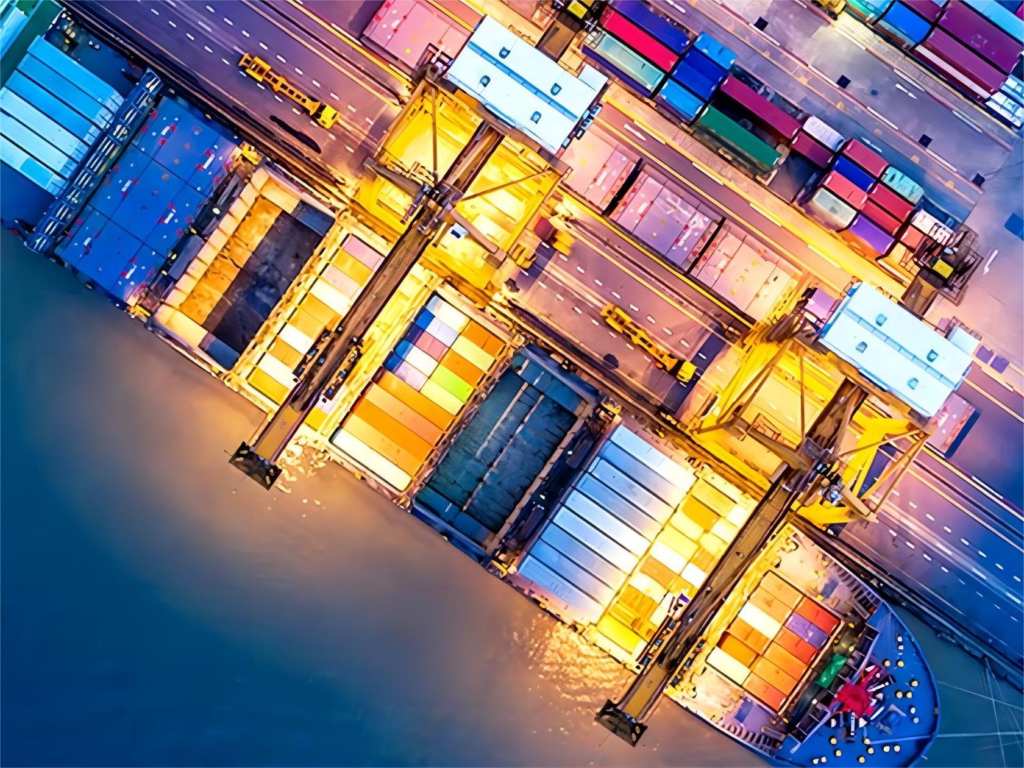
Customs clearance risks refer to problems that prevent cargo from being released smoothly by border authorities.
These risks can occur during document review, cargo inspection, tariff classification, or import compliance verification.
Common Customs Clearance Risks
| Risk Type | Possible Impact |
|---|---|
| Incorrect HS Code | Wrong Duty Calculation |
| Missing Documents | Clearance Delays |
| Incorrect Cargo Description | Customs Inspection |
| Import Regulation Issues | Cargo Rejection |
| Incorrect Valuation | Additional Review |
Furthermore, international shipments often involve different customs requirements depending on the destination country.
For example, rail freight shipments crossing multiple borders may require accurate documentation coordination between different customs systems.
Key Customs Documents
| Document | Purpose |
|---|---|
| Commercial Invoice | Verify Transaction Details |
| Packing List | Confirm Cargo Information |
| Bill of Lading | Prove Transportation Details |
| Certificate of Origin | Confirm Product Origin |
| Import Declaration | Complete Customs Procedures |
Consequently, professional preparation before shipment departure is essential for reducing customs-related risks.
Why Do Experienced Freight Forwarders Reduce Customs Clearance Risks More Effectively?
Many businesses can prepare basic shipping documents. However, customs compliance requires practical experience and detailed knowledge.
Better Understanding of Regulations
Experienced freight forwarders understand changing customs requirements across different markets.
Moreover, they can identify documentation problems before cargo reaches customs inspection points.
Accurate Document Management
Small mistakes in invoices, product descriptions, or HS codes can create major delays.
Therefore, professional forwarders review shipment information carefully before submission.
Faster Problem Resolution
Meanwhile, when customs authorities request additional information, experienced logistics providers can respond quickly.
Consequently, shipments are less likely to remain delayed at terminals.
Comparison Between Different Service Levels
| Service Type | Customs Risk Management |
|---|---|
| Basic Transportation Provider | Limited Support |
| General Freight Forwarder | Standard Assistance |
| Experienced Freight Forwarder | Proactive Risk Control |
Therefore, selecting a freight partner with customs expertise can significantly improve shipment reliability.
How Do Experienced Freight Forwarders Reduce Customs Clearance Risks?

Professional freight forwarders use several strategies to prevent customs problems before they occur.
Perform HS Code Verification
First, experienced providers review product classifications carefully.
Incorrect HS codes may result in:
- Incorrect duty payments
- Customs inspection
- Shipment delays
- Compliance penalties
Therefore, accurate classification is one of the most important customs preparation steps.
Check Documentation Before Shipment
Moreover, freight forwarders verify:
- Product descriptions
- Commercial invoices
- Packing details
- Import requirements
- Regulatory documents
This process helps identify errors before customs submission.
Provide Destination-Specific Compliance Support
Additionally, experienced forwarders understand local customs procedures.
For example, European imports may require different documentation compared with shipments entering other regions.
Coordinate Customs and Transportation Schedules
Furthermore, customs clearance should be integrated with transportation planning.
| Process | Benefit |
|---|---|
| Pre-Clearance Preparation | Faster Cargo Release |
| Document Review | Fewer Errors |
| Customs Communication | Faster Problem Solving |
| Tracking Updates | Better Visibility |
As a result, professional customs management reduces uncertainty throughout the shipping process.
What Challenges Can Experienced Freight Forwarders Help Businesses Avoid?
Even well-planned shipments may encounter customs difficulties. However, experienced logistics providers can reduce the impact of these challenges.
Customs Inspection Delays
Cargo inspections may occur because of unclear product information or documentation issues.
Therefore, accurate preparation helps reduce unnecessary inspections.
Unexpected Duty Costs
Incorrect classification can lead to higher-than-expected import duties.
Moreover, freight forwarders can help review tariff information before shipment.
Border Clearance Problems
International rail shipments often cross multiple customs zones.
Consequently, coordination between different customs authorities becomes essential.
Shipment Compliance Risks
Businesses unfamiliar with destination regulations may accidentally violate import requirements.
Therefore, working with experienced providers helps maintain compliance.
Customs Risk Prevention Comparison
| Approach | Risk Level |
|---|---|
| Reactive Problem Solving | High |
| Basic Document Checking | Medium |
| Professional Compliance Management | Low |
Furthermore, proactive customs planning usually costs less than solving clearance problems after they occur.
Real Cases of Reducing Customs Clearance Risks With Experienced Freight Forwarders
🚆 Project Card 1: Electronics Importer Avoided European Customs Delays
📍 Route: Shenzhen, China → Duisburg, Germany → Amsterdam, Netherlands
📦 Cargo: Consumer Electronics
⏱️ Transit Time: 18 Days Rail + 2 Days Truck Delivery
💰 Cost Impact: Avoided Additional Storage Charges
🚄 Mode: China-Europe Railway + Regional Trucking
🛃 Customs Clearance Details:
The freight team reviewed HS codes, commercial invoices, and European import requirements before shipment departure.
✅ Outcome:
Cargo was released without unexpected customs delays.
Overview:
An electronics importer planned seasonal inventory shipments to Europe. However, previous shipments had experienced customs document issues. Therefore, an experienced freight forwarder conducted pre-shipment compliance checks and prevented clearance problems.
🚆 Project Card 2: Machinery Supplier Improved Import Compliance
📍 Route: Wuhan, China → Budapest, Hungary → Vienna, Austria
📦 Cargo: Industrial Machinery Equipment
⏱️ Transit Time: 21 Days Rail + 2 Days Delivery
💰 Cost Impact: Reduced Delay-Related Expenses
🚄 Mode: International Rail Freight + Heavy Truck
🛃 Customs Clearance Details:
Product classification, import documents, and customs declaration information were reviewed before cargo arrival.
✅ Outcome:
The equipment reached the project site according to schedule.
Overview:
A machinery supplier needed to deliver equipment for a construction project. However, incorrect classification could have caused inspection delays. Consequently, professional customs preparation ensured smooth cargo release.
🚆 Project Card 3: Automotive Parts Shipment Maintained Production Schedule
📍 Route: Chongqing, China → Warsaw, Poland → Prague, Czech Republic
📦 Cargo: Automotive Components
⏱️ Transit Time: 19 Days Rail + 1 Day Factory Delivery
💰 Cost Impact: Avoided Production Interruption Costs
🚄 Mode: Rail Freight + Dedicated Truck Delivery
🛃 Customs Clearance Details:
The logistics team coordinated customs documentation with rail arrival schedules.
✅ Outcome:
Production lines received components on time.
Overview:
An automotive supplier required stable component delivery. Moreover, production delays would have created significant losses. Therefore, customs coordination before arrival helped maintain continuous operations.
Customs Clearance Service Cost and Risk Management Information
The cost of customs support depends on cargo type, destination country, documentation complexity, and required compliance services.
Common Customs Service Cost Factors
| Factor | Cost Impact |
|---|---|
| Shipment Volume | More Documentation Required |
| Cargo Classification | HS Review Complexity |
| Destination Regulations | Different Compliance Requirements |
| Inspection Requirements | Additional Handling Costs |
| Urgency | Faster Support May Increase Fees |
Cost Comparison
| Customs Approach | Potential Result |
|---|---|
| Self-Managed Clearance | Lower Service Cost but Higher Risk |
| Basic Support | Moderate Risk Control |
| Professional Compliance Service | Better Risk Prevention |
Moreover, investing in customs expertise can reduce larger expenses caused by delays, penalties, and storage charges.
Conclusion
If your company regularly ships internationally, a professional customs strategy can help reduce risks before they become costly problems.
🚛 Ready to Improve Your Rail-to-Door Logistics Performance?
Whether you need dedicated truck delivery, customs clearance support, final-mile transportation, or multimodal logistics solutions, our experienced team is ready to help.
✅ Dedicated Truck Capacity
✅ Reliable Rail Freight Services
✅ Door-to-Door Solutions
✅ Professional Logistics Support
FAQs
1. Can freight forwarders guarantee customs clearance approval?
No. Customs authorities make the final decision. However, experienced forwarders can significantly reduce risks through proper preparation and compliance checks.
2. How much time can professional customs support save?
Time savings depend on shipment complexity. However, proper preparation can prevent many delays caused by missing documents or incorrect information.
3. Do all international rail shipments require customs inspections?
Not always. Inspections depend on cargo type, regulations, risk assessment, and customs authority requirements.
4. What information should businesses provide freight forwarders?
Companies should provide accurate product descriptions, HS codes, invoices, packing details, and destination requirements.
5. Is customs support necessary for regular importers?
Yes. Frequent importers benefit from professional compliance management because repeated shipments increase exposure to regulatory risks.