

China Rail Freight Door to Door Europe USA: 2026 Guide
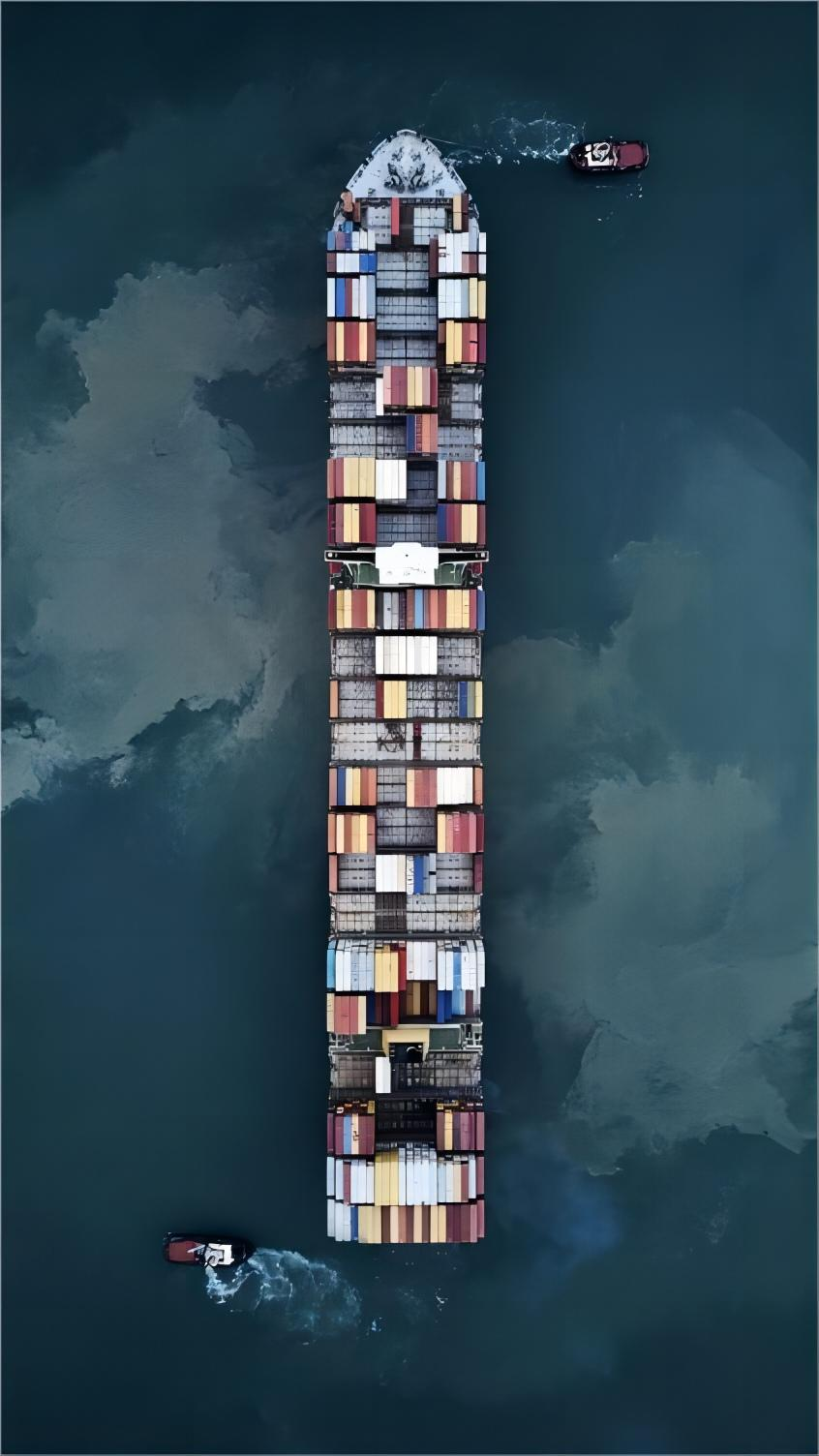
Navigating the complexities of international logistics requires a balance between speed and cost efficiency. For many modern businesses, utilizing alichinafreight.com provides a streamlined approach to global trade. Choosing china rail freight door to door europe usa services has become a cornerstone for companies seeking reliable alternatives to traditional air or sea routes in the 2026 market.
How Does Rail Freight Compare to Other Shipping Options?
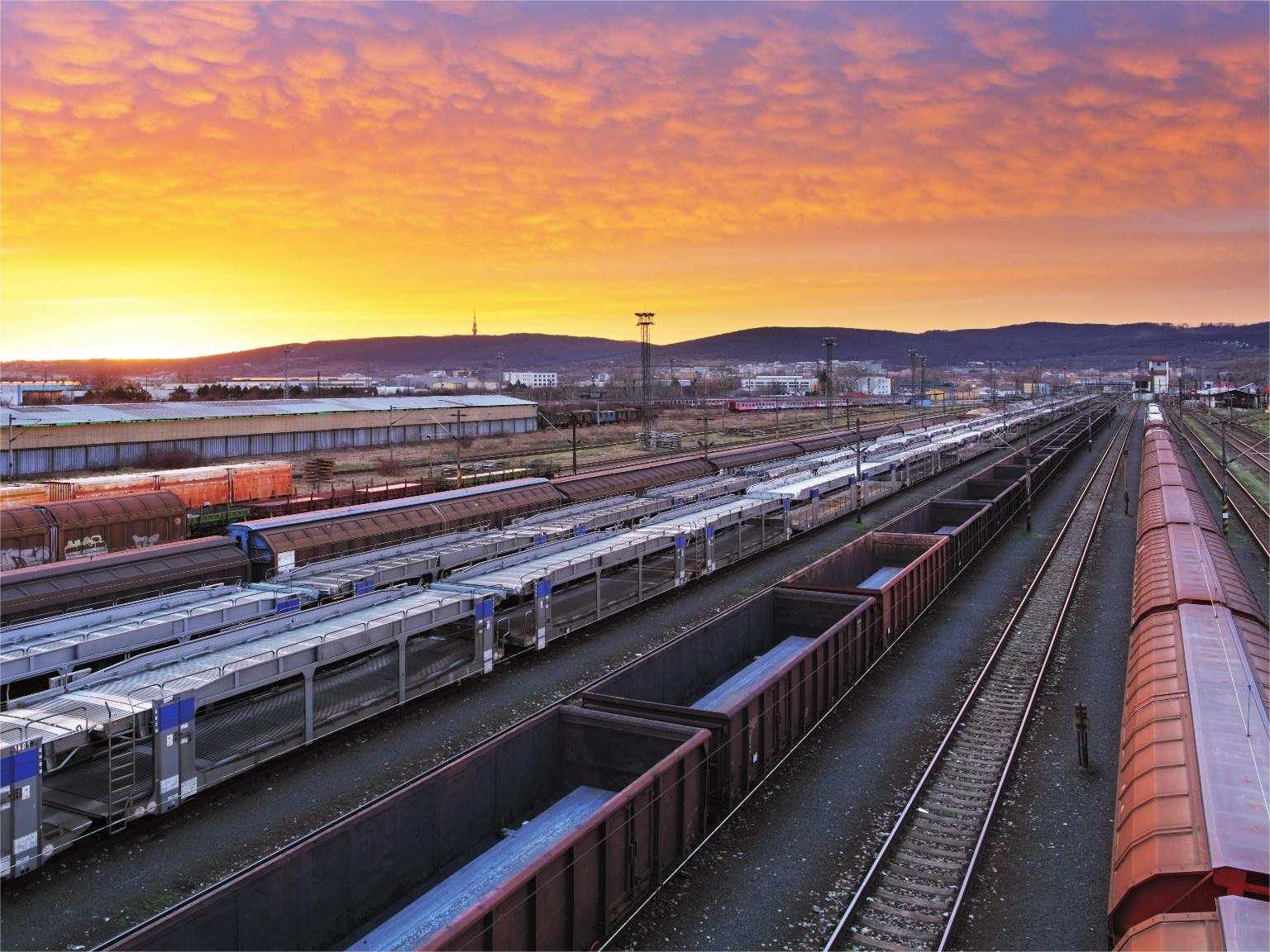
Evaluating different transport modes is essential for maintaining a competitive edge in 2026. Consequently, shippers must weigh the benefits of rail against the high costs of air and the slow transit times of ocean transport. While sea freight remains the cheapest option for massive volumes, rail offers a significant middle ground for urgent yet heavy cargo.
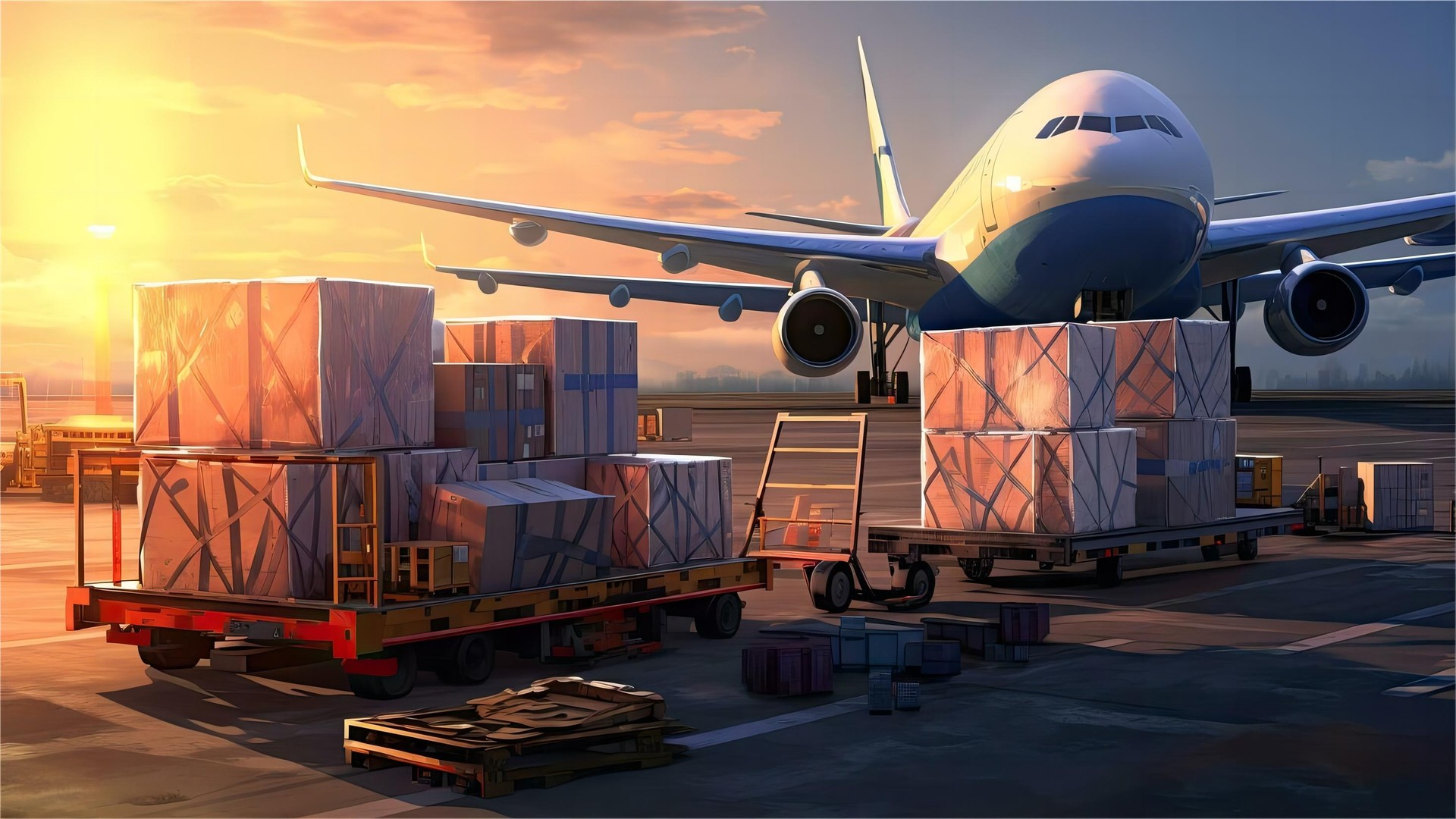
Moreover, the environmental impact of shipping has become a primary concern for global brands. Rail transport produces significantly lower carbon emissions compared to air freight, making it an attractive choice for ESG-conscious corporations. Additionally, the stability of rail schedules provides more predictability than the often-congested maritime routes.
For shipments destined for the United States, rail serves as a vital intermodal link. Although direct rail from China to the USA is not possible, the combination of sea freight to West Coast ports followed by rail transport to inland hubs is highly effective. This hybrid strategy ensures that door-to-door delivery remains efficient for inland destinations like Chicago or Dallas.
| Shipping Method | Cost Range | Transit Time | Best For |
|---|---|---|---|
| Rail Freight | $120 – $250 per CBM | 18 – 25 Days | Mid-value goods |
| Sea Freight | $50 – $90 per CBM | 30 – 45 Days | Bulk commodities |
| Air Freight | $4.50 – $8.00 per kg | 3 – 7 Days | High-value / Urgent |
| Road Freight | $180 – $300 per CBM | 15 – 22 Days | Flexible routing |
The Benefits of China Rail Freight Door to Door Europe USA Services
Choosing a comprehensive door to door service simplifies the entire logistics chain for the importer. Specifically, this model handles everything from the initial factory pickup in China to the final delivery at the warehouse in Europe or the USA. Therefore, businesses can focus on sales and marketing rather than managing multiple logistics vendors.
Furthermore, rail freight offers a unique advantage in terms of security and reduced handling. Since containers are sealed at the origin and typically remain on the same train for the duration of the overland journey, the risk of damage or theft is minimized. Indeed, the 2026 rail infrastructure has seen massive investments in smart tracking and temperature-controlled containers.
In addition to safety, the cost-to-speed ratio of rail is often the most logical choice for electronics and automotive parts. However, it is important to note that rail rates can fluctuate based on seasonal demand and fuel surcharges. As of early 2026, market data suggests that rail rates have stabilized, providing a reliable budgeting framework for the fiscal year.
Understanding the Logistics Route: China to Europe
The primary rail route for Europe involves the Trans-Eurasian land bridge, connecting major Chinese hubs like Xi’an and Chengdu to European cities. Typically, trains pass through Kazakhstan, Russia, and Belarus before entering Poland and the wider European Union. Consequently, this route bypasses the potential bottlenecks of the Suez Canal, offering a more direct path for inland European destinations.
Nevertheless, shippers must ensure their documentation is flawless to avoid delays at border crossings. Utilizing a professional customs brokerage service is highly recommended for navigating the different regulatory environments of each transit country. Proper classification of goods and accurate valuation are critical for a smooth door-to-door experience.
To summarize, the China-Europe rail link is a mature and highly optimized corridor. For instance, many companies now use LCL rail freight to move smaller volumes without the cost of a full container. This flexibility allows small and medium enterprises to compete on a global scale by maintaining leaner inventory levels.
Intermodal Strategies for China to USA Rail Shipments
Shipping to the United States via rail requires a different strategic approach compared to Europe. Since no rail line spans the Pacific, the most common method involves a sea-rail hybrid. Initially, cargo is shipped via ocean to major ports like Los Angeles, Long Beach, or Savannah. Once the cargo is discharged, it is immediately transferred to rail for inland transit.
Actually, this intermodal shipping solution is often faster than shipping entirely by sea to the East Coast. By using rail to cross the American continent, shippers can save up to 10 days of transit time. Furthermore, this method is often more cost-effective than using long-haul trucking for heavy loads over long distances.
Additionally, many businesses are exploring the Northern Route, which involves shipping to Canadian ports and then utilizing rail into the US Midwest. This alternative strategy helps avoid the periodic congestion seen at Southern California ports. Without a doubt, having multiple routing options is essential for maintaining supply chain resilience in 2026.
2026 Transit Times and Cost Analysis
In the current 2026 market, transit times have become more consistent due to improved border processing and expanded rail capacity. For example, a standard rail shipment from China to Germany now takes approximately 18 to 22 days. Meanwhile, door-to-door delivery to the USA via intermodal rail typically ranges from 25 to 35 days depending on the final destination.
On the other hand, pricing remains subject to market volatility and carrier capacity. As of Q1 2026, rail freight rates from China to Europe hover between $3,500 and $4,800 for a 40HQ container. For the USA, the rail portion of an intermodal shipment adds roughly $1,500 to $3,000 to the base ocean freight cost.
Note: Freight rates are subject to change based on fuel costs, carrier capacity, and seasonal demand. Contact us for a current quote tailored to your specific shipment.
| Destination | Origin City | Transit Time | Estimated Cost (40HQ) |
|---|---|---|---|
| Germany (Hamburg) | Xi’an | 18 – 21 Days | $3,800 – $4,500 |
| Poland (Warsaw) | Chengdu | 16 – 19 Days | $3,500 – $4,200 |
| USA (Chicago) | Shenzhen | 28 – 32 Days | $5,500 – $7,000 |
| USA (Dallas) | Shanghai | 30 – 35 Days | $5,800 – $7,500 |

Which Option Should You Choose?
Determining the best shipping method depends heavily on your specific business priorities and cargo type. If budget is your primary concern and your lead times are flexible, traditional sea freight remains the logical choice. However, if you need to replenish stock quickly without the high expense of air freight, rail is the superior option.
Consider the following criteria for your decision framework. For budget priority, recommend sea freight or rail LCL. For speed priority, recommend air freight or express rail services. For inland destinations in the USA or Europe, recommend intermodal rail solutions to save on last-mile trucking costs.
Moreover, the volume of your cargo plays a significant role in the selection process. For shipments under 15 CBM, LCL rail freight may be more economical than a full container. Conversely, for large-scale industrial equipment, FCL rail transport provides the necessary space and security.
Case Study 1: Electronics to Germany
Route: Xi’an, China to Munich, Germany. Cargo: Consumer electronics, 28 CBM, 8,500 kg. Container: 40HQ Full Container Load (FCL).
Shipping Details: The shipment utilized the China-Europe Railway Express with a direct route through Poland. Port of Loading: Xi’an Inland Port. Port of Discharge: Hamburg Rail Terminal.
Cost Breakdown: Ocean Freight (Rail equivalent): $4,200. Origin Charges: $450. Destination Charges: $600. Customs & Duties: $1,200. Total Landed Cost: $6,450.
Timeline: Booking to Loading: 3 days. Rail Transit: 19 days. Customs Clearance: 2 days. Total Door-to-Door: 24 days. Key Insight: Using rail instead of air saved the client over $12,000 while arriving 15 days faster than sea freight.
Case Study 2: Auto Parts to USA Midwest
Route: Shanghai, China to Chicago, USA. Cargo: Automotive components, 12 CBM, 4,000 kg. Container: LCL (Less than Container Load).
Shipping Details: This was an intermodal shipment involving sea freight to LA and rail to Chicago. Carrier: Major trans-Pacific carrier. Port of Loading: Shanghai. Port of Discharge: Los Angeles (then Rail to Chicago).
Cost Breakdown: Sea Freight to LA: $1,800. Rail Transit (LA to Chicago): $950. Origin/Destination Fees: $800. Total Landed Cost: $3,550.
Timeline: Sea Transit: 16 days. Rail Transit: 6 days. Customs/Handling: 5 days. Total Door-to-Door: 27 days. Key Insight: The intermodal rail strategy avoided the high costs of cross-country trucking and delivered the parts 8 days sooner than an all-water route to the East Coast.
Final Thoughts on Global Rail Logistics
In summary, the landscape of international trade continues to evolve, making china rail freight door to door europe usa services more relevant than ever. By offering a balanced mix of speed, cost, and reliability, rail transport empowers businesses to manage their inventory with greater precision.
Whether you are shipping high-value electronics to Europe or automotive parts to the American Midwest, intermodal and rail strategies provide the flexibility needed in a volatile market. Always stay informed about current freight rates and partner with experienced logistics providers to ensure your cargo arrives safely and on time.
Ready to streamline your logistics?
Streamline your global supply chain today with our expert china rail freight door to door europe usa solutions. Contact our logistics team for a personalized quote and discover how we can optimize your shipping schedule for 2026. Send Inquiry
Request Quote