

China Shipping Quotation Online Freight: 2026 Logistics Strategy Guide
Finding a reliable china shipping quotation online freight is the first step toward successful importing in 2026. At DSV-Freight, we simplify the process of comparing international logistics costs. Consequently, businesses can secure the most competitive rates while ensuring their supply chain remains resilient against market fluctuations.
Why Requesting a China Shipping Quotation Online Freight is Essential in 2026
Navigating the complexities of global trade in 2026 requires a robust understanding of logistics trends. Consequently, obtaining a china shipping quotation online freight has become the industry standard for savvy importers. Modern digital platforms allow businesses to compare rates instantly. Therefore, you can make informed decisions that impact your bottom line directly.
Digital tools provide real-time data that traditional methods often lack. Moreover, these platforms aggregate information from multiple carriers to offer the most accurate pricing available. Shippers can now avoid the lengthy back-and-forth communication that previously slowed down the procurement process. Indeed, speed and transparency are the hallmarks of modern logistics management.
Accuracy in your initial quote prevents unexpected costs during the delivery phase. For instance, a detailed quotation includes fuel surcharges, terminal handling charges, and documentation fees. By understanding these components early, you can better manage your landed cost calculations. This foresight is critical for maintaining healthy profit margins in a competitive market.
Understanding the Components of Your Freight Quote
When you request a china shipping quotation online freight, several factors come into play. Primarily, the volume and weight of your cargo determine the base rate. Additionally, fuel surcharges and seasonal demand fluctuations can alter the final price significantly. Indeed, 2026 has seen a shift towards more transparent pricing models.
Every quote should be broken down into clear categories for better analysis. Specifically, origin charges cover the cost of getting your goods from the factory to the port. Ocean or air freight charges represent the main transport leg of the journey. Finally, destination charges include unloading and delivery to your final warehouse or office.
Hidden fees can often derail a well-planned budget if not identified early. Therefore, it is essential to look for all-inclusive quotes that cover everything from customs clearance to local trucking. Professional freight forwarders prioritize clarity to build long-term trust with their clients. Always verify if the quote includes insurance and duties.
| Charge Type | Description | Typical Cost Range | Frequency |
|---|---|---|---|
| Ocean Freight | Main transport leg | $1,500 – $5,500 | Per Container |
| THC | Terminal handling | $200 – $450 | Per Shipment |
| Documentation | Paperwork filing | $50 – $150 | Per B/L |
| Fuel Surcharge | Variable fuel cost | 10% – 25% | Of Freight |
How Does China Shipping Quotation Online Freight Compare to Other Shipping Options?
Choosing the right mode of transport is essential for supply chain efficiency. While sea freight remains the most economical choice for large volumes, air freight offers unparalleled speed. Moreover, rail freight provides a balanced middle ground for shipments to Europe. As a result, shippers must evaluate their priorities between cost and transit time.
Direct routes usually cost about 10 to 15 percent more than transshipment options. However, they save significant time and reduce the risk of cargo damage during handling. For shipments under 15 cubic meters, LCL services are often more cost-effective than booking a full container. Meanwhile, FCL is the preferred method for larger inventories to ensure maximum security.
Hybrid solutions like sea-air combinations have gained popularity in early 2026. These strategies involve shipping goods by sea to a hub like Dubai or Singapore and then flying them to the final destination. This approach offers a compromise that is faster than sea alone but cheaper than pure air freight. Evaluating these alternatives is a key part of modern logistics optimization.
| Method | Cost Range | Transit Time | Best For |
|---|---|---|---|
| Sea Freight | $1,800 – $4,500 | 25 – 45 Days | Bulk Goods |
| Air Freight | $5.50 – $12.00/kg | 3 – 7 Days | Urgent Items |
| Rail Freight | $2,500 – $6,000 | 15 – 22 Days | Europe Cargo |
| Express | $8.00 – $15.00/kg | 2 – 5 Days | Small Samples |
Evaluating the Benefits of Sea Freight for Bulk Shipments
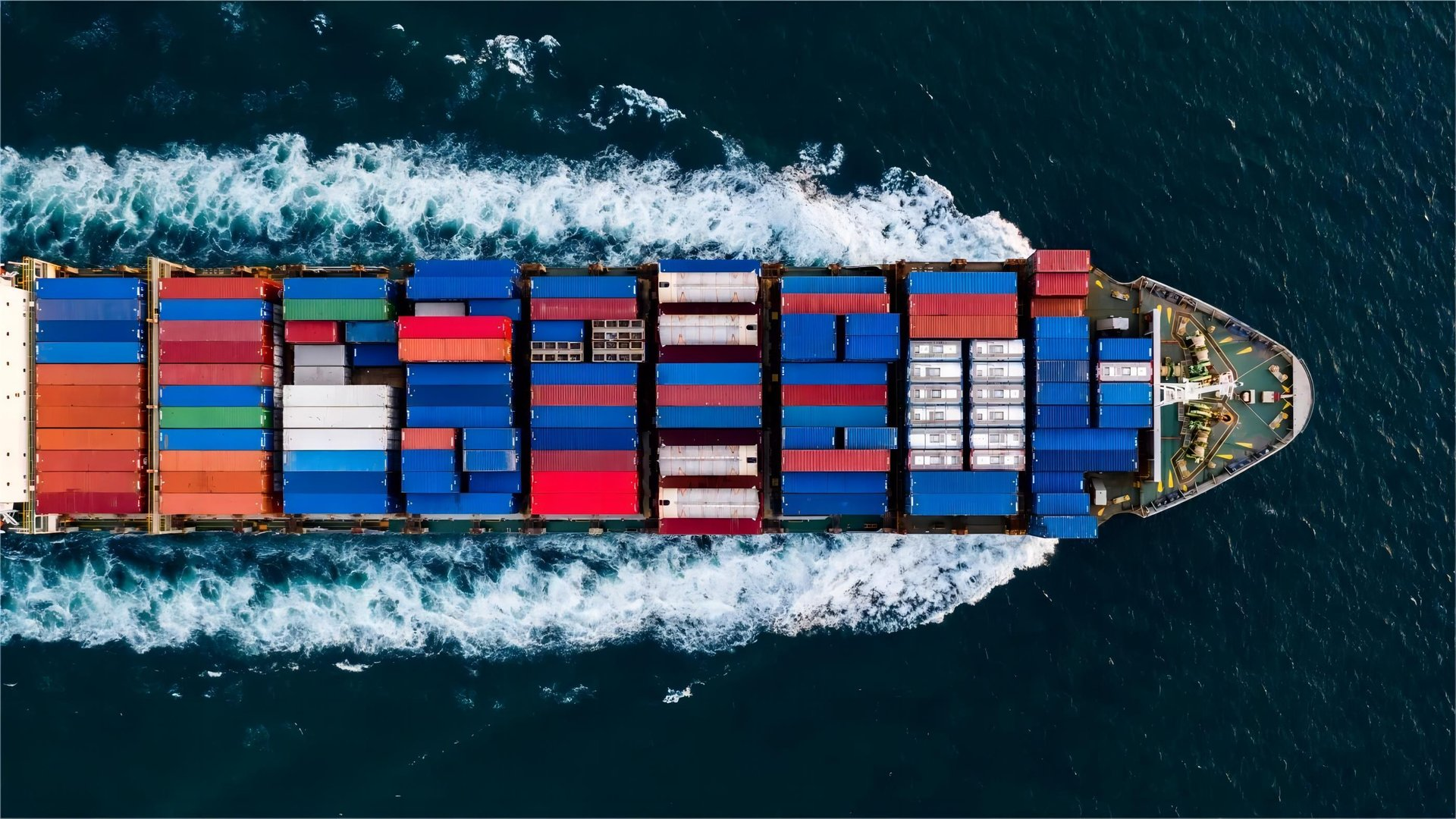
Ocean transport continues to be the backbone of international trade due to its high capacity. Specifically, sea freight allows for the movement of massive quantities at a fraction of the cost of other methods. This makes it ideal for commodities, heavy machinery, and large consumer goods. Consequently, most global brands rely on maritime shipping for their primary supply chain.
Transit times for sea routes vary based on the destination and carrier efficiency. For example, shipping from China to the US West Coast typically takes 14 to 18 days in 2026. Conversely, routes to Europe or the US East Coast may take 30 to 40 days depending on port congestion. Planning your inventory cycles around these timelines is crucial for success.
Container options like 20GP, 40GP, and 40HQ provide flexibility for different cargo sizes. Shippers should calculate their volume carefully to select the most efficient container type. Notably, a 40HQ container offers the best value for lightweight but high-volume items. Always request a china shipping quotation online freight to compare container rates for your specific route.
When to Choose Air Freight for Urgent Cargo
Speed is the primary advantage when you opt for air freight from China. In 2026, the demand for fast delivery has increased due to the rise of just-in-time manufacturing. Although the cost is significantly higher, the reduction in transit time can justify the expense for high-value goods. Therefore, electronics and fashion items often travel by air.
Air cargo costs are calculated based on either actual weight or volumetric weight. Freight forwarders use the higher of the two values to determine the final price. For instance, a large but light box might be charged based on the space it occupies in the aircraft. Understanding this calculation helps in optimizing your packaging to reduce costs.
Security is another major benefit of choosing air transport for your goods. Airports have strict surveillance and handling procedures that minimize the risk of theft or damage. Additionally, the shorter time spent in transit reduces the exposure to environmental factors. For sensitive or fragile items, the extra cost of air freight often provides peace of mind.
The Middle Ground: Rail Freight Solutions for 2026
Expanding your logistics toolkit with rail freight can offer significant strategic advantages. This mode of transport is particularly effective for shipments between China and Europe. It is faster than sea freight and considerably more affordable than air freight. Consequently, many businesses use rail to balance their budget and timeline requirements.
Rail routes have become more reliable as infrastructure across Central Asia has improved. In 2026, scheduled departures are frequent, allowing for better planning of inventory arrivals. Moreover, rail transport is considered more environmentally friendly than air or road transport. This makes it an attractive option for companies focused on sustainability in their supply chain.
Transit times for rail shipments usually range from 15 to 22 days. While this is longer than air, it is nearly twice as fast as the traditional sea route to Northern Europe. Shippers can use rail for medium-value goods that require a quicker turnaround than ocean freight can provide. Always check the latest china shipping quotation online freight for rail options to see current availability.
Navigating Customs Brokerage and Compliance
Successful international shipping depends heavily on efficient customs brokerage services. Every country has unique regulations and documentation requirements that must be met to avoid delays. Therefore, working with an experienced broker ensures that your cargo clears customs without unnecessary hurdles. Indeed, compliance is just as important as the physical transport of goods.
Documentation like the commercial invoice, packing list, and bill of lading must be accurate. Any discrepancies can lead to fines, storage fees, or even the seizure of your products. Specifically, the Harmonized System (HS) codes must be correctly applied to determine the appropriate duty rates. Professional brokers stay updated on the latest trade laws to protect your interests.
Customs clearance processes in 2026 have become increasingly digitized. This allows for faster processing but also requires precise data entry from the start. As a result, integrating your china shipping quotation online freight with customs services can streamline the entire import process. A seamless transition from the port to the final destination is the goal of every logistics plan.
Streamlining Your Supply Chain with Door to Door Services
For many businesses, door to door logistics offers the ultimate convenience. This service manages every step of the journey, from the factory floor in China to your warehouse door. Consequently, you can focus on your core business operations while the freight forwarder handles the logistics details. This end-to-end solution minimizes the risk of communication gaps.
Costs for door-to-door services are typically inclusive of all transport and handling fees. While the upfront price might seem higher, the reduction in administrative burden often results in overall savings. Moreover, having a single point of contact simplifies the tracking and management of your shipments. It is the most efficient way to handle complex international deliveries.
Selecting a provider with a strong local network in both China and the destination country is vital. This ensures that the first-mile and last-mile delivery components are handled with professional care. Furthermore, it allows for better coordination during the customs and local transport phases. Always request a comprehensive china shipping quotation online freight that includes these door-to-door options.
Realistic Case Studies from 2026
Case Study 1: Electronics from Shenzhen to Hamburg. Route: Shenzhen, China to Hamburg, Germany. Cargo: Consumer Electronics, 15 CBM, 4500 kg. Container: LCL 15 CBM. Shipping Details: Carrier/Service: Major carrier. Port of Loading: Shenzhen. Port of Discharge: Hamburg. Route Type: Direct. Cost Breakdown: Ocean Freight: $1,200. Origin Charges: $350. Destination Charges: $450. Customs and Duties: $1,200. Total Landed Cost: $3,200. Timeline: Booking to Loading: 4 days. Sea Transit: 32 days. Customs Clearance: 3 days. Total Door-to-Door: 39 days. Key Insight: Consolidating LCL shipments helped the client save 20 percent compared to air freight during the 2026 peak season.
Case Study 2: Auto Parts from Shanghai to Los Angeles. Route: Shanghai, China to Los Angeles, USA. Cargo: Automotive Components, 28 CBM, 12000 kg. Container: 20GP. Shipping Details: Carrier/Service: COSCO. Port of Loading: Shanghai. Port of Discharge: Los Angeles. Route Type: Direct. Cost Breakdown: Ocean Freight: $1,850. Origin Charges: $280. Destination Charges: $420. Customs and Duties: $3,500. Total Landed Cost: $6,050. Timeline: Booking to Loading: 5 days. Sea Transit: 16 days. Customs Clearance: 4 days. Total Door-to-Door: 25 days. Key Insight: Utilizing a direct route to the West Coast minimized transit time and avoided the congestion typically found in transshipment hubs.
Case Study 3: Textiles from Ningbo to Sydney. Route: Ningbo, China to Sydney, Australia. Cargo: Apparel, 65 CBM, 8000 kg. Container: 40HQ. Shipping Details: Carrier/Service: Maersk. Port of Loading: Ningbo. Port of Discharge: Sydney. Route Type: Direct. Cost Breakdown: Ocean Freight: $1,700. Origin Charges: $320. Destination Charges: $550. Customs and Duties: $2,100. Total Landed Cost: $4,670. Timeline: Booking to Loading: 3 days. Sea Transit: 15 days. Customs Clearance: 2 days. Total Door-to-Door: 20 days. Key Insight: Booking a 40HQ container provided the best value per cubic meter for this high-volume textile shipment.
Decision Framework: Which Option Should You Choose?
Determining the best shipping method depends on your specific business priorities. If budget is your primary concern, sea freight is almost always the recommended option for large orders. On the other hand, if you are launching a new product and need it in stock immediately, air freight is the better choice. Balancing these needs requires a clear understanding of your inventory requirements.
Volume thresholds often dictate when to switch from LCL to FCL. For shipments exceeding 15 cubic meters, a full 20GP container usually offers better security and lower per-unit costs. Similarly, for shipments over 30 cubic meters, moving to a 40GP or 40HQ becomes more economical. Monitoring these thresholds helps in optimizing your ordering patterns for maximum efficiency.
Cargo type also plays a significant role in the decision-making process. Hazardous materials or oversized equipment require specialized handling that may limit your transport options. Furthermore, perishable goods always necessitate the speed of air freight or the temperature control of reefer containers. Always mention your cargo type when requesting a china shipping quotation online freight to get accurate advice.
Cost-Saving Strategies for International Shipping
Reducing your logistics expenses requires a proactive approach to supply chain management. One effective strategy is to consolidate multiple small orders into a single larger shipment. This allows you to take advantage of better FCL rates instead of paying higher LCL premiums. Additionally, planning your shipments during off-peak seasons can lead to significant savings on freight rates.
Optimizing your packaging can also result in lower costs, especially for air and LCL shipments. By reducing the overall volume of your boxes, you minimize the chargeable weight of the cargo. Moreover, using standardized pallet sizes ensures that you make the best use of the available space in a container. These small adjustments can add up to substantial yearly savings.
Negotiating long-term contracts with a reliable freight forwarder can provide price stability in a volatile market. While spot rates might occasionally be lower, a contract protects you from sudden price spikes during peak seasons. Furthermore, established relationships often lead to better service and priority space on vessels. Always seek a partner who offers a transparent china shipping quotation online freight.
Mastering Your 2026 Logistics with the Right Quote
Summarizing the key takeaways, obtaining a china shipping quotation online freight is the foundation of a successful import business. By comparing sea, air, and rail options, you can find the perfect balance between cost and speed. Moreover, understanding the role of customs brokerage and door-to-door services ensures a smooth delivery process.
Indeed, the logistics landscape of 2026 offers more tools and transparency than ever before. Shippers who leverage these digital resources will be better positioned to handle market changes and maintain a competitive edge. We encourage you to use the data and strategies discussed in this guide to enhance your shipping operations and drive business growth.
Need a tailored shipping solution?
Ready to optimize your global supply chain? Contact us today to receive a personalized china shipping quotation online freight and discover how our expert team can streamline your logistics. Send Inquiry: Visit https://alichinafreight.com/