


Container Freight China Europe USA Rates 2026: The Complete Shipping Guide
“Navigating the complexities of container freight china europe usa rates requires up-to-date market intelligence to ensure your supply chain remains profitable. At DSV-Freight, we simplify global logistics by providing transparent pricing and reliable schedules. Businesses must adapt to fluctuating costs and shifting trade lanes to maintain a competitive edge in the international market.”
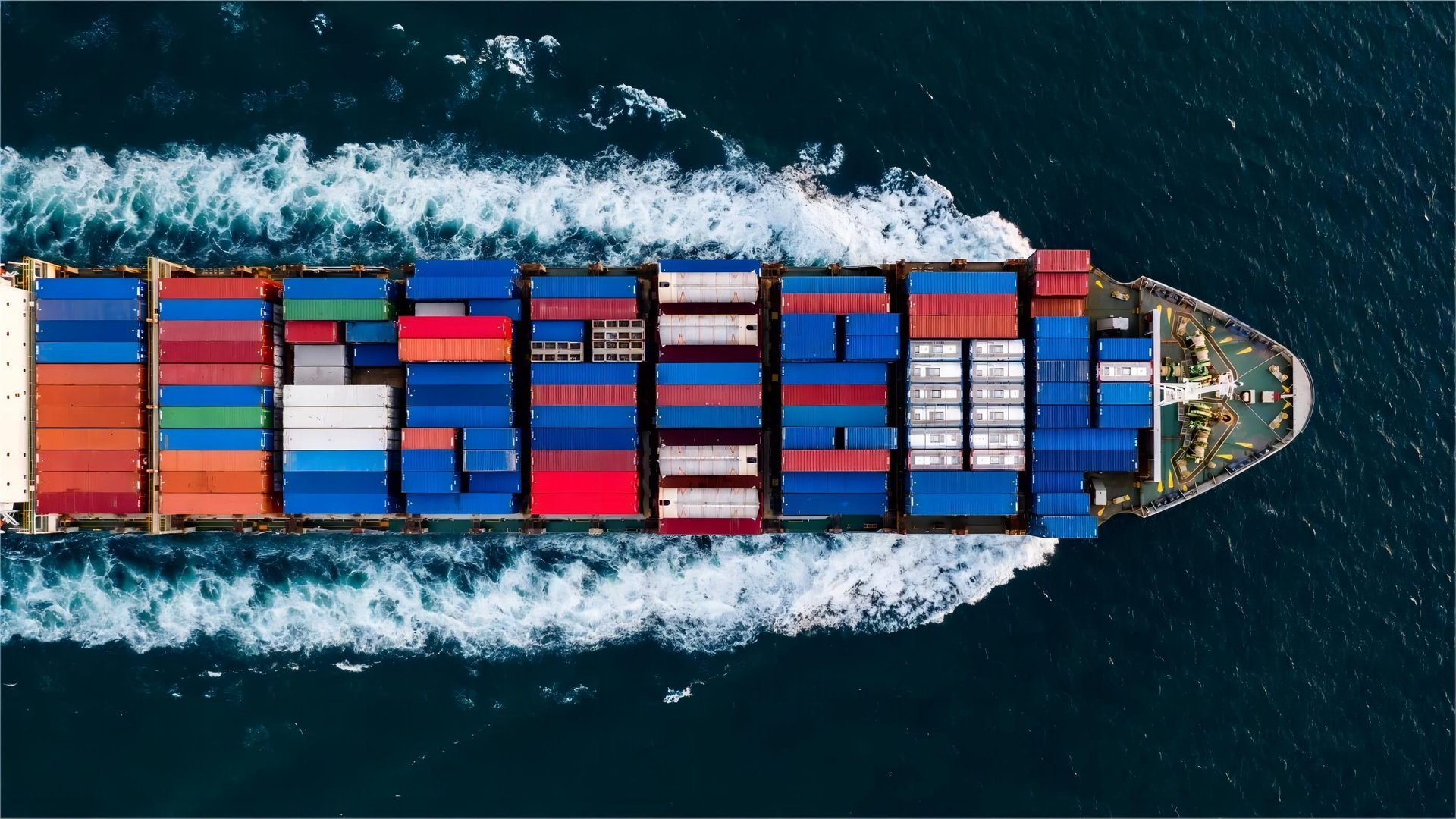
Understanding the 2026 Container Freight China Europe USA Rates Landscape
❖Modern logistics in 2026 are defined by a shift toward more sustainable and technologically integrated shipping methods. Consequently, freight rates reflect these changes through updated fuel surcharges and green energy levies. Importers should monitor these trends closely to anticipate price shifts during peak seasons.
Market data suggests that global shipping lanes have stabilized after the disruptions of the previous years. Nevertheless, geopolitical factors and port labor agreements continue to influence the daily fluctuations of container costs. Understanding these variables is the first step toward optimizing your logistics budget.
How Do Container Freight China Europe USA Rates Compare Across Different Methods?
❖Choosing the right transportation mode is a critical decision for any international business. While sea freight remains the most popular choice for bulk cargo, other options offer unique advantages. You must weigh the trade-offs between speed and cost to find the best fit for your inventory.
Alternative strategies such as sea-air hybrids or intermodal rail are gaining popularity in 2026. These methods provide a middle ground for shipments that are too urgent for the sea but too heavy for standard air transport. Indeed, flexibility has become the most valuable asset in modern supply chain management.
| Shipping Method | Average Cost Range | Transit Time | Best For |
|---|---|---|---|
| Sea Freight (FCL) | $2,800 – $5,500 | 25 – 45 Days | High-volume bulk goods |
| Air Freight | $4.50 – $11.00/kg | 3 – 7 Days | Urgent or high-value items |
| Rail Freight | $1.80 – $3.50/kg | 18 – 25 Days | China to Europe mid-range |
| Express Service | $8.00 – $15.00/kg | 2 – 5 Days | Small samples and documents |
Why Are Transpacific and Asia-Europe Rates Fluctuating in 2026?
❖Several factors contribute to the ongoing volatility in the transpacific and Asia-Europe trade lanes. For instance, the implementation of new environmental regulations has led to higher operational costs for major carriers. Additionally, seasonal demand spikes during the holiday rush often lead to temporary capacity shortages.
Bunker adjustment factors (BAF) are also playing a larger role in pricing this year due to shifting energy markets. Therefore, shippers should look for fixed-rate contracts when possible to avoid sudden price hikes. Staying informed about port congestion updates is equally important for maintaining a reliable delivery schedule.
The Role of Rail Freight in Modern China-Europe Logistics
❖Utilizing rail freight has become a staple for companies moving goods between China and the European mainland. This method offers a significantly faster transit time than ocean shipping while remaining more affordable than air. Moreover, the rail network has expanded to include more inland destinations, improving last-mile efficiency.
Environmental benefits are another reason why many brands are switching to rail for their European deliveries. Because trains emit less carbon per ton of cargo than planes, this method aligns with corporate sustainability goals. However, rail is not a viable option for shipments destined for North America or Australia.
Maximizing Efficiency with Professional Customs Brokerage
❖Professional customs brokerage services are essential for navigating the complex regulatory environments of the USA and Europe. Incorrect documentation can lead to expensive fines and lengthy delays at the port of entry. Furthermore, staying compliant with the latest trade agreements ensures that you do not overpay on duties and taxes.
Experienced brokers can help you identify opportunities for duty drawbacks or tariff exemptions. Consequently, the cost of hiring a professional is often offset by the savings they generate for your business. In contrast, attempting to handle customs in-house without expertise can lead to significant supply chain bottlenecks.
Which Option Should You Choose for Your 2026 Shipments?
❖Selecting the ideal shipping method requires a clear understanding of your budget priorities and delivery requirements. If your primary goal is cost reduction, sea freight FCL is almost always the superior choice for large volumes. On the other hand, if speed is the priority, air freight provides the necessary velocity to meet tight deadlines.
Consider a hybrid approach if you need to balance these two factors effectively. For example, shipping the majority of your stock via sea while sending a small ‘buffer’ stock via air can maintain inventory levels without breaking the bank. This strategy is particularly effective for product launches or seasonal promotions.
Case Study 1: Electronics from Shenzhen to Hamburg
❖Route: Shenzhen, China to Hamburg, Germany. Cargo: Consumer Electronics, 4 CBM, 800 kg. Container: LCL (Less than Container Load).
Shipping Details: Carrier: Major ocean carrier. Port of Loading: Shenzhen. Port of Discharge: Hamburg. Route Type: Direct.
Cost Breakdown: Ocean Freight: $520. Origin Charges: $150. Destination Charges: $210. Customs and Duties: $400. Total Landed Cost: $1,280. Timeline: Booking to Loading: 3 days. Sea Transit: 34 days. Customs Clearance: 2 days. Total Door-to-Door: 39 days.
Key Insight: Using LCL allowed the client to maintain inventory flow without waiting to fill a whole container, despite slightly higher per-unit costs compared to FCL.
Case Study 2: Apparel from Shanghai to Los Angeles
❖Route: Shanghai, China to Los Angeles, USA. Cargo: Seasonal Apparel, 65 CBM, 12,000 kg. Container: 40HQ (High Cube).
Shipping Details: Carrier: Transpacific specialist. Port of Loading: Shanghai. Port of Discharge: Los Angeles. Route Type: Direct.
Cost Breakdown: Ocean Freight: $3,400. Origin Charges: $280. Destination Charges: $350. Customs and Duties: $1,500. Total Landed Cost: $5,530. Timeline: Booking to Loading: 5 days. Sea Transit: 15 days. Customs Clearance: 3 days. Total Door-to-Door: 23 days.
Key Insight: Fast transit to the US West Coast was prioritized to meet the start of the retail season, utilizing a direct route to avoid transshipment delays.
Case Study 3: Machinery from Ningbo to New York
❖Route: Ningbo, China to New York, USA. Cargo: Industrial Machinery, 28 CBM, 15,000 kg. Container: 20GP (General Purpose).
Shipping Details: Carrier: Global alliance carrier. Port of Loading: Ningbo. Port of Discharge: New York. Route Type: Transshipment via Panama Canal.
Cost Breakdown: Ocean Freight: $4,200. Origin Charges: $320. Destination Charges: $450. Customs and Duties: $2,200. Total Landed Cost: $7,170. Timeline: Booking to Loading: 4 days. Sea Transit: 32 days. Customs Clearance: 4 days. Total Door-to-Door: 40 days.
Key Insight: Despite the longer transit time to the East Coast, the cost-per-kilogram remained highly competitive for heavy industrial equipment.
Streamlining Global Trade with Door to Door Services
❖Integrating door to door logistics into your business model removes the stress of coordinating multiple service providers. This end-to-end solution covers everything from factory pickup in China to final delivery at your warehouse in Europe or the USA. Consequently, you can focus on growing your business while experts handle the cargo handling.
Visibility is another major advantage of this service type. Most modern providers offer real-time tracking platforms that allow you to monitor your shipment’s progress at every stage. Indeed, knowing exactly where your goods are helps in planning your sales and distribution more accurately.
Final Thoughts on 2026 Freight Trends
To summarize, staying competitive in the global market requires a deep understanding of container freight china europe usa rates and the factors that drive them. Whether you choose sea, air, or rail, the key is to remain flexible and proactive in your logistics planning. Furthermore, partnering with a reliable freight forwarder can provide the expertise needed to navigate the challenges of international trade.
As we move through 2026, the logistics industry will continue to evolve with new technologies and regulations. By staying informed and utilizing the right shipping methods, you can ensure that your goods arrive safely and cost-effectively. Always remember to request current quotes, as market conditions can change rapidly.
Ready to streamline your logistics?
Ready to optimize your supply chain and secure the best container freight china europe usa rates for 2026? Contact the experts at DSV-Freight today for a customized quote that meets your specific business needs. Visit our inquiry page to get started: See: https://alichinafreight.com/contact/
Request Quote