


- By Jaxin
- July 21, 2026
- logistics process, Trade Terms
Introduction
Choosing reliable rail freight logistics partners for global trade is one of the most important decisions for importers and exporters. Even when rail routes, transit times, and freight rates appear competitive, an unreliable logistics provider can create delays, customs issues, communication problems, and unexpected costs.
However, selecting a logistics partner involves much more than comparing quotations. Companies must evaluate operational experience, rail network coverage, customs expertise, shipment visibility, and problem-solving capabilities.
Moreover, as international supply chains become increasingly complex, businesses need logistics providers that can offer stable transportation solutions across multiple countries and regions. Therefore, choosing the right rail freight partner can significantly improve delivery performance while reducing operational risks.
This article explains what makes a reliable rail freight logistics partner, why partner selection matters, and how businesses can make better logistics decisions for global trade.

What Does Choosing Reliable Rail Freight Logistics Partners for Global Trade Mean?
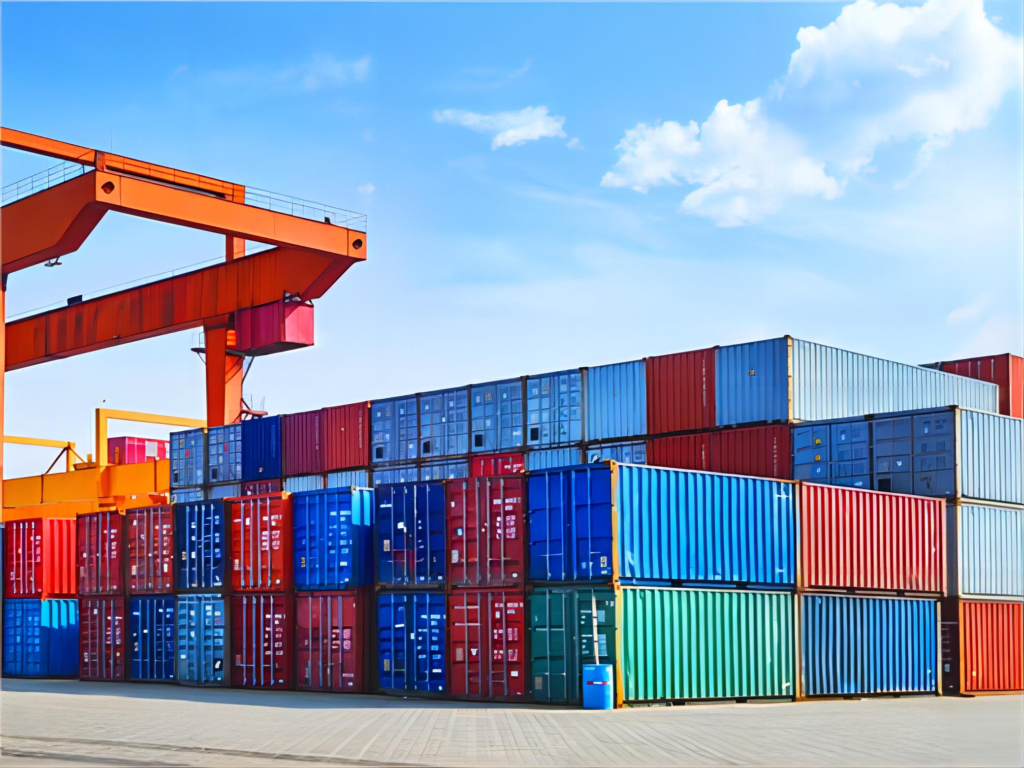
Choosing reliable rail freight logistics partners for global trade means selecting providers that can consistently deliver cargo safely, efficiently, and compliantly across international rail networks.
A reliable logistics partner should provide more than transportation services. Instead, they should support the entire shipping process, including planning, customs coordination, tracking, and final delivery.
Core Capabilities of Reliable Rail Freight Partners
| Capability | Why It Matters |
|---|---|
| International Rail Experience | Reduces Operational Risks |
| Customs Expertise | Improves Clearance Efficiency |
| Route Coverage | Provides Flexible Shipping Options |
| Shipment Tracking | Enhances Visibility |
| Problem Resolution | Minimizes Delays |
| Local Delivery Support | Improves Final Delivery Performance |
Furthermore, experienced providers can often identify potential issues before they affect the shipment.
Essential Service Areas
| Service | Importance |
|---|---|
| Rail Freight Booking | Core Transportation Function |
| Customs Support | Regulatory Compliance |
| Cargo Tracking | Real-Time Visibility |
| Warehousing | Inventory Flexibility |
| Truck Delivery | Door-to-Door Service |
Consequently, businesses should evaluate the complete service offering rather than focusing only on freight rates.
Why Is Choosing Reliable Rail Freight Logistics Partners for Global Trade Important?
Transportation performance directly affects customer satisfaction, inventory management, and supply chain efficiency.
Improve Delivery Reliability
Reliable providers maintain stronger relationships with rail operators and logistics networks.
Moreover, they often have better access to capacity during busy periods.
Reduce Supply Chain Risks
Unexpected delays can disrupt production schedules and inventory planning.
Therefore, selecting a dependable logistics partner helps minimize operational uncertainty.
Improve Customs Compliance
Customs delays remain one of the most common challenges in international transportation.
Consequently, providers with strong customs expertise can significantly reduce clearance risks.
Business Impact Comparison
| Logistics Partner Type | Operational Impact |
|---|---|
| Inexperienced Provider | Higher Risk |
| Standard Provider | Moderate Performance |
| Reliable Rail Freight Partner | Better Stability |
Furthermore, long-term logistics partnerships often improve operational efficiency over time.
How Can Businesses Choose Reliable Rail Freight Logistics Partners for Global Trade?
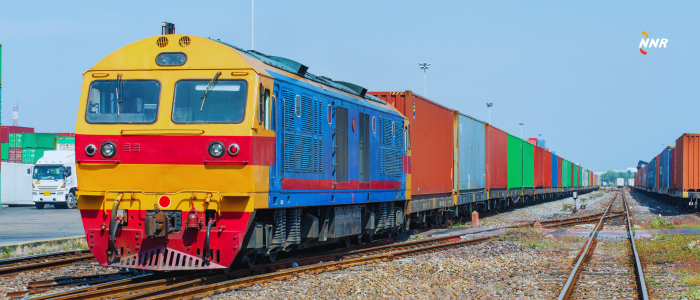
Companies should evaluate logistics providers using objective performance criteria rather than relying solely on pricing.
Review International Rail Experience
First, businesses should examine the provider’s experience handling international rail shipments.
Important questions include:
- How long have they managed rail freight?
- Which rail corridors do they support?
- What industries do they serve?
Assess Customs Expertise
Moreover, customs compliance capabilities are critical for cross-border transportation.
A qualified provider should assist with:
| Customs Support Area | Benefit |
|---|---|
| HS Code Review | Accurate Classification |
| Documentation Checks | Fewer Errors |
| Compliance Guidance | Reduced Risk |
| Clearance Coordination | Faster Release |
Evaluate Visibility and Communication
Additionally, shipment tracking and communication standards should be reviewed.
Reliable logistics partners typically provide:
- Shipment status updates
- Dedicated support contacts
- Exception management
- Transit monitoring
Analyze Service Coverage
Furthermore, businesses should ensure that providers can support both rail transportation and final delivery requirements.
As a result, transportation operations become more efficient and easier to manage.
What Challenges Can the Wrong Logistics Partner Create?
Selecting the wrong provider may create significant transportation and supply chain problems.
Capacity Limitations
Some providers have limited access to rail capacity.
Therefore, shipments may experience delays during peak periods.
Poor Communication
Lack of shipment visibility often creates uncertainty.
Moreover, delayed responses can make logistics problems more difficult to resolve.
Customs Compliance Risks
Incomplete documentation and weak compliance support can increase customs inspections.
Consequently, shipments may face unexpected delays and costs.
Limited Service Network
Providers with restricted geographic coverage may require multiple subcontractors.
As a result, transportation management becomes more complicated.
Risk Comparison
| Issue | Potential Impact |
|---|---|
| Capacity Shortage | Delayed Departure |
| Documentation Error | Customs Delay |
| Poor Tracking | Reduced Visibility |
| Limited Network | Higher Costs |
Therefore, evaluating provider capabilities before selecting a logistics partner is essential.
Real Cases of Choosing Reliable Rail Freight Logistics Partners for Global Trade
🚆 Project Card 1: Solar Equipment Export Project
📍 Route: Hefei, China → Tashkent, Uzbekistan
📦 Cargo: Solar Inverter Systems
⏱️ Transit Time: 14 Days Rail + 1 Day Local Delivery
💰 Cost Benefit: Reduced Logistics Disruptions
🚄 Mode: International Rail Freight + Local Trucking
🛃 Customs Clearance Details:
Pre-shipment customs document review and destination compliance verification.
✅ Outcome:
Cargo arrived according to the installation schedule.
Overview:
A renewable energy supplier required stable transportation for a solar project in Central Asia. Therefore, selecting a rail logistics partner with regional customs expertise improved shipment reliability.
🚆 Project Card 2: Medical Equipment Distribution Network
📍 Route: Chengdu, China → Almaty, Kazakhstan
📦 Cargo: Medical Diagnostic Equipment
⏱️ Transit Time: 12 Days Rail + 2 Days Distribution
💰 Cost Benefit: Reduced Emergency Transportation Expenses
🚄 Mode: Rail Freight + Dedicated Delivery Truck
🛃 Customs Clearance Details:
The logistics provider coordinated documentation verification before cargo arrival.
✅ Outcome:
Medical equipment reached distributors without customs interruptions.
Overview:
A healthcare equipment distributor required dependable transportation and compliance support. Consequently, choosing an experienced logistics partner minimized customs-related risks.
🚆 Project Card 3: Agricultural Machinery Expansion Project
📍 Route: Zhengzhou, China → Belgrade, Serbia
📦 Cargo: Agricultural Machinery
⏱️ Transit Time: 19 Days Rail + 2 Days Final Delivery
💰 Cost Benefit: Improved Transportation Efficiency
🚄 Mode: Rail Freight + Heavy Equipment Trucking
🛃 Customs Clearance Details:
Import documentation and cargo classification were reviewed before departure.
✅ Outcome:
Project equipment arrived before seasonal deployment deadlines.
Overview:
An agricultural equipment supplier needed dependable transportation for seasonal operations. Therefore, partnering with a logistics provider experienced in oversized cargo movements ensured timely delivery.
Rail Freight Service Costs and Provider Evaluation Factors
While pricing is important, businesses should also evaluate overall logistics value.
Provider Evaluation Criteria
| Factor | Importance |
|---|---|
| Rail Network Coverage | High |
| Customs Expertise | High |
| Shipment Visibility | High |
| Industry Experience | Medium-High |
| Freight Rates | Medium |
| Local Delivery Capability | Medium-High |
Cost vs Service Comparison
| Provider Type | Cost Level | Reliability |
|---|---|---|
| Low-Cost Provider | Lower | Variable |
| Mid-Level Provider | Moderate | Stable |
| Experienced Rail Partner | Higher | Strong |
Moreover, the lowest quotation may not always deliver the best long-term logistics performance.
Conclusion
Choosing reliable rail freight logistics partners for global trade is essential for maintaining efficient international supply chains. While freight rates remain important, businesses should also evaluate operational experience, customs expertise, communication standards, and network coverage.
Moreover, reliable logistics partners help reduce transportation risks, improve delivery consistency, and strengthen overall supply chain performance. Therefore, investing time in provider evaluation can generate significant long-term operational benefits.
Looking for a rail freight partner that supports global trade growth and reliable cargo delivery? Our logistics specialists can help evaluate the best transportation solutions for your supply chain.
FAQs
1. How many rail freight providers should businesses compare before choosing one?
Comparing at least three providers usually helps businesses evaluate service quality, pricing, network coverage, and operational capabilities more effectively.
2. Is the lowest freight rate always the best option?
No. Lower pricing may come with limited service coverage, weaker communication, or reduced customs support.
3. What certifications should a rail freight logistics partner have?
Relevant transportation licenses, customs compliance experience, and established rail network relationships are often more important than specific certifications alone.
4. How can businesses verify a logistics provider's reliability?
Review case studies, customer references, shipment tracking capabilities, and operational experience within your industry.
5. Should companies use one logistics partner for all shipments?
Not necessarily. Some businesses use multiple providers to improve flexibility and reduce dependency risks.