


- By Jaxin
- July 21, 2026
- import-from-China, shipping
Introduction
Shipping from China to Japan rail freight service is attracting growing attention from businesses seeking alternatives to traditional ocean and air transportation. Although Japan is an island nation and direct rail connections do not exist between China and Japan, rail freight can still play an important role within multimodal transportation solutions.
However, many importers are uncertain about how rail freight can be integrated into China–Japan logistics. Moreover, businesses often struggle with balancing transportation costs, transit times, and supply chain reliability.
Therefore, understanding how rail and multimodal transportation work together can help companies select the most efficient shipping strategy. This article explains what China-to-Japan rail freight service involves, why businesses use it, how the process works, and which solutions provide the best value.

What Is Shipping From China to Japan Rail Freight Service?
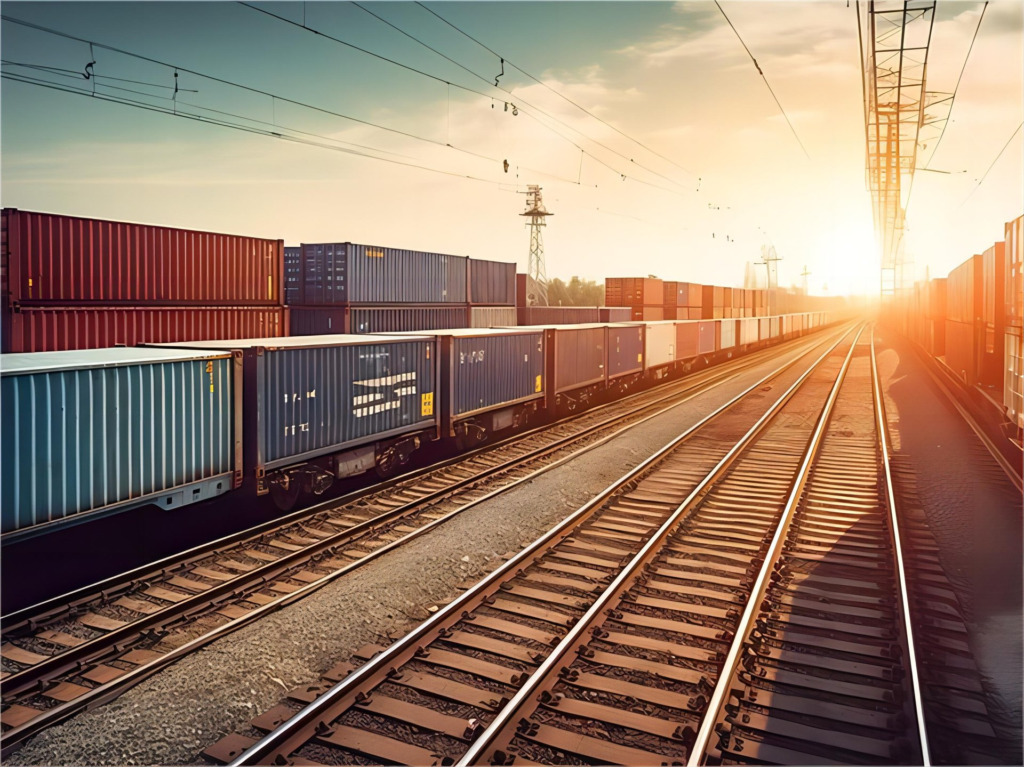
Shipping from China to Japan rail freight service usually refers to a multimodal transportation solution that combines rail freight within China and sea freight to Japan.
Because Japan is separated from mainland Asia by sea, cargo cannot travel entirely by rail. Instead, rail transportation is used to move cargo from inland Chinese manufacturing centers to major export ports before ocean transportation completes the journey.
Typical Transportation Process
| Stage | Transportation Method |
|---|---|
| Factory Pickup | Truck |
| Inland China Movement | Rail Freight |
| Export Port Transfer | Truck or Rail |
| China–Japan Crossing | Sea Freight |
| Japan Delivery | Truck |
Furthermore, this approach is especially useful for exporters located far from coastal ports.
Common Origin Cities
| Origin City | Main Export Port |
|---|---|
| Chongqing | Shanghai |
| Chengdu | Shanghai |
| Xi’an | Qingdao |
| Zhengzhou | Lianyungang |
| Wuhan | Shanghai |
Consequently, rail transportation helps reduce trucking distances and improves logistics efficiency for inland exporters.
Why Do Businesses Use Shipping From China to Japan Rail Freight Service?
Many exporters choose multimodal rail solutions because they offer operational advantages compared with relying entirely on road transportation.
Better Inland Transportation Efficiency
Rail freight can move large cargo volumes from inland factories to export terminals more efficiently.
Moreover, rail transportation reduces highway congestion risks during peak shipping seasons.
Improved Cost Control
For heavy or bulk cargo, rail transportation often provides better inland transportation economics.
Therefore, companies can optimize overall logistics costs.
Environmental Benefits
Additionally, rail transportation generally produces lower emissions compared with long-distance trucking.
As a result, businesses pursuing sustainability goals may prefer rail-supported logistics solutions.
Comparison of Inland Transportation Options
| Method | Cost Efficiency | Capacity | Sustainability |
|---|---|---|---|
| Truck Only | Medium | Medium | Medium |
| Rail + Sea | High | High | High |
| Air Freight | Low | Limited | Low |
Consequently, rail-supported shipping solutions are becoming increasingly attractive for international trade.
How Does Shipping From China to Japan Rail Freight Service Work?

Businesses can improve transportation performance by understanding how multimodal logistics operations are organized.
Rail Transportation Within China
First, cargo is collected from the manufacturing facility and transported to a rail terminal.
Moreover, containers are loaded onto rail services heading toward major export ports.
Port Handling and Export Procedures
Once cargo reaches the port, export customs procedures are completed.
Important documents typically include:
| Document | Purpose |
|---|---|
| Commercial Invoice | Cargo Valuation |
| Packing List | Cargo Details |
| Export Declaration | Customs Compliance |
| Bill of Lading | Transportation Record |
Sea Transportation to Japan
After export clearance, cargo is loaded onto vessels serving Japanese ports.
Common destination ports include:
- Tokyo
- Yokohama
- Osaka
- Kobe
- Nagoya
Final Delivery
Meanwhile, after customs clearance in Japan, local trucking companies complete final delivery.
Therefore, the entire transportation chain operates as a coordinated multimodal solution.
What Challenges Can Affect China-to-Japan Rail Freight Logistics?
Although multimodal transportation offers many advantages, several operational challenges should be considered.
Port Congestion
During peak seasons, export ports may experience congestion.
However, early booking can reduce scheduling disruptions.
Documentation Issues
Incorrect shipping documents may delay customs clearance.
Therefore, document verification before departure is essential.
Schedule Coordination
Rail arrivals must align with vessel departure schedules.
Consequently, effective logistics planning becomes critical.
Risk Management Comparison
| Challenge | Recommended Solution |
|---|---|
| Port Congestion | Early Booking |
| Documentation Errors | Compliance Review |
| Schedule Mismatch | Integrated Planning |
| Customs Delays | Pre-Clearance Preparation |
Furthermore, experienced logistics providers can help manage these risks more effectively.
Real Cases of Shipping From China to Japan Rail Freight Service
🚆 Project Card 1: Automotive Components Distribution
📍 Route: Chongqing, China → Shanghai Port → Yokohama, Japan
📦 Cargo: Automotive Components
⏱️ Transit Time: 3 Days Rail + 4 Days Sea + 1 Day Delivery
💰 Cost Impact: Reduced Inland Transportation Costs
🚄 Mode: Rail Freight + Ocean Freight + Truck Delivery
🛃 Customs Clearance Details:
Export declarations were completed before rail departure, allowing smooth cargo transfer at the port.
✅ Outcome:
The customer maintained stable inventory replenishment schedules.
Overview:
An automotive supplier needed regular shipments from western China to Japan. Therefore, rail transportation reduced inland trucking requirements and improved logistics efficiency.
🚆 Project Card 2: Consumer Electronics Export Program
📍 Route: Chengdu, China → Ningbo Port → Osaka, Japan
📦 Cargo: Consumer Electronics
⏱️ Transit Time: 4 Days Rail + 3 Days Sea + 1 Day Delivery
💰 Cost Impact: Improved Transportation Efficiency
🚄 Mode: Rail + Ocean + Regional Trucking
🛃 Customs Clearance Details:
Cargo documentation was reviewed before export to avoid customs processing delays.
✅ Outcome:
The importer received inventory within the planned sales schedule.
Overview:
An electronics exporter required predictable delivery times for seasonal product launches. Consequently, multimodal transportation improved schedule consistency.
🚆 Project Card 3: Industrial Equipment Shipment
📍 Route: Xi’an, China → Qingdao Port → Kobe, Japan
📦 Cargo: Industrial Machinery
⏱️ Transit Time: 5 Days Rail + 4 Days Sea + 2 Days Delivery
💰 Cost Impact: Lower Than Air Freight
🚄 Mode: Rail Freight + Ocean Freight + Heavy Truck Delivery
🛃 Customs Clearance Details:
Pre-shipment customs documentation reduced compliance risks.
✅ Outcome:
Project equipment arrived according to installation timelines.
Overview:
A machinery manufacturer required reliable transportation for industrial equipment exports. Therefore, combining rail and ocean transportation delivered a cost-effective solution.
China-to-Japan Freight Costs and Transit Time Information
Transportation costs vary depending on cargo type, shipment volume, and selected service options.
Typical Transit Time Comparison
| Service Type | Estimated Transit Time |
|---|---|
| Ocean Freight Only | 5–10 Days |
| Rail + Ocean Service | 7–12 Days |
| Air Freight | 1–3 Days |
Cost Comparison
| Transportation Mode | Cost Level |
|---|---|
| Air Freight | Highest |
| Rail + Ocean | Medium |
| Ocean Freight | Lowest |
Moreover, businesses should evaluate total logistics costs rather than transportation rates alone.
Conclusion
Shipping from China to Japan rail freight service provides an effective multimodal logistics solution for businesses moving cargo from inland China to Japanese markets. While direct rail transportation is not possible, combining rail, sea, and truck services can improve efficiency, reduce inland transportation costs, and support reliable supply chain operations.
Moreover, companies that optimize route planning, customs preparation, and transportation coordination can achieve better logistics performance. Therefore, selecting the right multimodal strategy is essential for successful China–Japan trade.
Need help designing the most efficient transportation solution for your cargo? Our logistics specialists can evaluate routes, transit times, and shipping options based on your business requirements.
FAQs
1. Is there a direct rail freight route from China to Japan?
No. Japan is an island nation, so rail transportation must be combined with ocean freight and local delivery services.
2. Which Chinese cities commonly use rail-supported Japan shipping services?
Chongqing, Chengdu, Xi’an, Zhengzhou, and Wuhan are among the most common inland origins.
3. Is rail plus ocean freight cheaper than air freight?
Yes. In most cases, multimodal rail and ocean transportation costs significantly less than air freight.
4. What cargo types are suitable for China-to-Japan multimodal transportation?
Automotive parts, electronics, machinery, industrial products, and general commercial cargo are commonly shipped.
5. How can businesses reduce customs clearance risks for Japan shipments?
Accurate documentation, HS code verification, and advance customs preparation help minimize clearance issues.