

- By Jaxin
- July 21, 2026
- import-from-China, shipping
Introduction
Shipping from China to Korea rail freight quote is a common search among importers looking for cost-effective transportation solutions between the two countries. Although South Korea is separated from China by sea and does not have a direct rail connection, rail freight can still play an important role in multimodal transportation.
However, many shippers are unsure how rail transportation affects pricing, transit times, and overall logistics costs. Moreover, freight quotes often vary depending on origin city, cargo type, shipment volume, and final delivery requirements.
Therefore, understanding the factors behind China-to-Korea rail freight quotes can help businesses make better logistics decisions. This guide explains how pricing works, what affects transportation costs, and how companies can optimize their shipping budgets.

What Is a Shipping From China to Korea Rail Freight Quote?
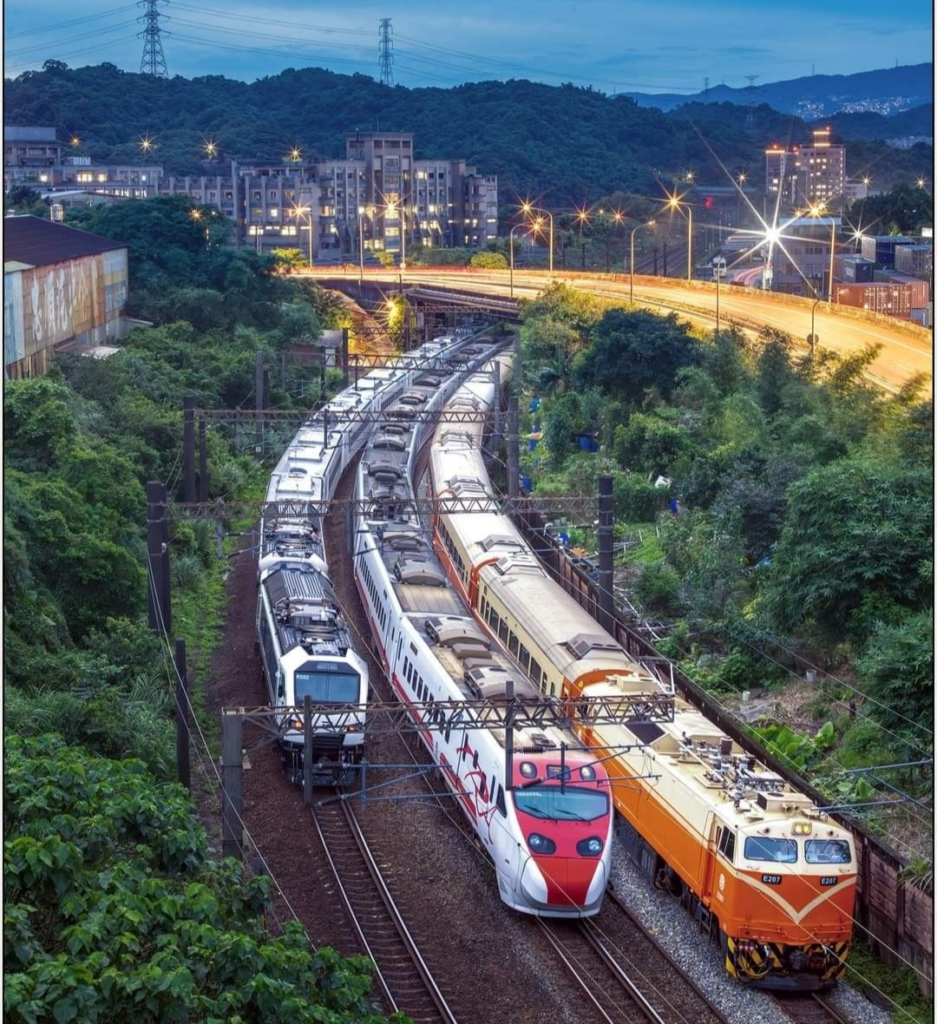
A shipping from China to Korea rail freight quote is typically a multimodal transportation quotation that combines rail freight inside China with sea freight to South Korea.
Since direct rail transportation between China and South Korea is not available, cargo normally travels by rail from inland Chinese cities to export ports before continuing by vessel to Korean ports.
Typical Transportation Process
| Stage | Transportation Method |
|---|---|
| Factory Pickup | Truck |
| Inland China Movement | Rail Freight |
| Port Transfer | Rail or Truck |
| China–Korea Crossing | Sea Freight |
| Korea Final Delivery | Truck |
Furthermore, this transportation model is particularly beneficial for manufacturers located in western and central China.
Common Rail Origins
| Origin City | Export Port |
|---|---|
| Chongqing | Shanghai |
| Chengdu | Ningbo |
| Xi’an | Qingdao |
| Zhengzhou | Lianyungang |
| Wuhan | Shanghai |
Consequently, rail transportation reduces long-distance trucking costs and improves logistics efficiency.
Why Do Businesses Request Shipping From China to Korea Rail Freight Quotes?
Many importers compare multiple transportation methods before selecting a logistics solution.
Control Transportation Costs
Rail-supported logistics often reduces inland transportation expenses.
Moreover, businesses can achieve more predictable freight budgeting compared with fluctuating trucking costs.
Improve Supply Chain Planning
Reliable multimodal transportation supports inventory management.
Therefore, companies can improve forecasting and replenishment schedules.
Support Large-Volume Cargo
Additionally, rail transportation can efficiently move high cargo volumes from manufacturing regions to export ports.
Transportation Comparison
| Mode | Transit Time | Cost Level |
|---|---|---|
| Air Freight | 1–3 Days | Highest |
| Rail + Sea | 5–10 Days | Medium |
| Ocean Freight Only | 4–8 Days | Lowest |
As a result, many businesses choose multimodal transportation as a balance between cost and efficiency.
How Is a Shipping From China to Korea Rail Freight Quote Calculated?
Several factors determine the final transportation quotation.
Origin and Destination
First, inland transportation distance significantly affects costs.
For example, cargo departing from Chongqing typically requires longer rail transport than cargo departing from coastal regions.
Cargo Type
Different cargo categories may require:
- Standard Containers
- Refrigerated Containers
- Oversized Equipment Solutions
- Dangerous Goods Handling
Therefore, freight rates vary depending on cargo characteristics.
Shipment Volume
Moreover, larger shipment volumes usually provide better pricing opportunities.
| Shipment Type | Cost Efficiency |
|---|---|
| Small Shipment | Lower |
| Consolidated Cargo | Medium |
| Full Container Load | Higher |
Additional Services
Furthermore, freight quotes may include:
| Service | Additional Cost Impact |
|---|---|
| Customs Clearance | Moderate |
| Warehousing | Moderate |
| Cargo Insurance | Optional |
| Final Delivery | Variable |
Consequently, businesses should evaluate total logistics costs instead of comparing freight rates alone.
What Challenges Affect China-to-Korea Rail Freight Pricing?
Several market factors can influence transportation costs.
Seasonal Demand
During peak shipping periods, transportation capacity becomes more competitive.
Therefore, rates may increase.
Equipment Availability
Container shortages can affect pricing and scheduling.
Moreover, specialized equipment may require advance booking.
Port Congestion
Export and import port congestion can create delays.
Consequently, logistics providers may adjust pricing to reflect operational risks.
Cost Influence Factors
| Factor | Impact on Quote |
|---|---|
| Peak Season | Higher |
| Low Season | Lower |
| Container Shortage | Higher |
| Stable Capacity | Moderate |
Furthermore, businesses that plan shipments earlier often secure more stable pricing.
Real Cases of Shipping From China to Korea Rail Freight Services
🚆 Project Card 1: Electronics Distribution Program
📍 Route: Chengdu, China → Shanghai Port → Busan, South Korea
📦 Cargo: Consumer Electronics
⏱️ Transit Time: 3 Days Rail + 2 Days Sea + 1 Day Delivery
💰 Cost: Approximately 18% Lower Than Air Freight
🚄 Mode: Rail Freight + Ocean Freight + Truck Delivery
🛃 Customs Clearance Details:
Export and import documentation completed before vessel departure.
✅ Outcome:
The importer maintained stable inventory replenishment.
Overview:
A consumer electronics distributor required predictable transportation schedules. Therefore, rail transportation reduced inland trucking costs while maintaining efficient transit times.
🚆 Project Card 2: Automotive Parts Supply Chain
📍 Route: Chongqing, China → Ningbo Port → Incheon, South Korea
📦 Cargo: Automotive Components
⏱️ Transit Time: 4 Days Rail + 2 Days Sea + 1 Day Delivery
💰 Cost: Reduced Inland Transportation Expenses
🚄 Mode: Rail + Ocean + Dedicated Truck
🛃 Customs Clearance Details:
Documentation verification was completed before cargo arrival.
✅ Outcome:
Factory production schedules remained uninterrupted.
Overview:
An automotive supplier needed reliable transportation to support manufacturing operations. Consequently, multimodal transportation improved delivery consistency.
🚆 Project Card 3: Industrial Equipment Shipment
📍 Route: Xi’an, China → Qingdao Port → Ulsan, South Korea
📦 Cargo: Industrial Machinery
⏱️ Transit Time: 5 Days Rail + 2 Days Sea + 2 Days Delivery
💰 Cost: Approximately 25% Lower Than Air Freight
🚄 Mode: Rail Freight + Sea Freight + Heavy Truck Delivery
🛃 Customs Clearance Details:
Cargo classification and customs documents were reviewed before shipment departure.
✅ Outcome:
Project installation timelines were successfully maintained.
Overview:
A machinery exporter needed a balance between cost and delivery reliability. Therefore, rail-supported logistics provided an economical transportation solution.
China-to-Korea Freight Rates and Transit Time Information
Actual freight quotations depend on route, cargo type, shipment volume, and service scope.
Typical Transit Time
| Service Type | Estimated Transit Time |
|---|---|
| Air Freight | 1–3 Days |
| Rail + Sea Service | 5–10 Days |
| Ocean Freight | 4–8 Days |
Key Factors Affecting Freight Quotes
| Factor | Impact |
|---|---|
| Origin City | High |
| Cargo Weight | High |
| Container Type | Medium |
| Customs Services | Medium |
| Final Delivery | Medium |
Moreover, businesses should compare door-to-door transportation costs rather than focusing only on the base freight rate.
Conclusion
Shipping from China to Korea rail freight quote requests continue to grow as businesses seek efficient alternatives to traditional transportation methods. Although direct rail service is not available, multimodal rail and ocean solutions provide a practical balance between cost, transit time, and reliability.
Moreover, factors such as cargo type, shipment volume, origin location, and customs requirements all influence final pricing. Therefore, obtaining a customized quote based on actual shipment details is the best way to identify the most suitable logistics solution.
Looking for the most competitive China-to-Korea shipping strategy? Our logistics specialists can evaluate routes, costs, and transit times to help optimize your transportation budget.
FAQs
1. Is there a direct rail freight route from China to South Korea?
No. South Korea is separated from mainland China by sea, so rail transportation must be combined with ocean freight.
2. What is the average transit time for China-to-Korea rail-supported shipping?
Most multimodal rail and sea shipments take approximately 5–10 days depending on origin and destination.
3. What factors affect a China-to-Korea freight quote?
Origin city, cargo type, shipment volume, customs requirements, and final delivery services all affect pricing.
4. Is rail plus sea freight cheaper than air freight?
Yes. In most cases, multimodal rail and sea transportation costs significantly less than air freight.
5. Which Korean ports are commonly used for imports?
Busan, Incheon, Ulsan, and Pyeongtaek are among the most frequently used ports.