

- By Jaxin
- July 15, 2026
- logistics process
End to end rail freight logistics management service helps international shippers solve fragmented transportation challenges by connecting cargo pickup, rail transportation, customs clearance, and final delivery.Cargo pickup, railway booking, customs clearance, and final delivery are frequently handled by different companies, creating delays and communication problems.
An end to end rail freight logistics management service provides a complete solution by connecting every stage of rail transportation into one coordinated process. Moreover, businesses can improve shipment visibility, reduce operational risks, and maintain more predictable delivery schedules.
In this guide, you will learn how integrated rail freight management works, why companies need it, and how to choose the right service provider.

What Does an End to End Rail Freight Logistics Management Service Include?
An end-to-end rail freight solution covers the entire shipping journey from origin to destination.
Instead of managing separate suppliers, businesses can work with one logistics partner responsible for transportation coordination. As a result, companies achieve better control over the entire shipping process.
Main Service Components
| Service Stage | Main Activities |
|---|---|
| Factory Pickup | Cargo collection and loading |
| Export Handling | Documentation and customs preparation |
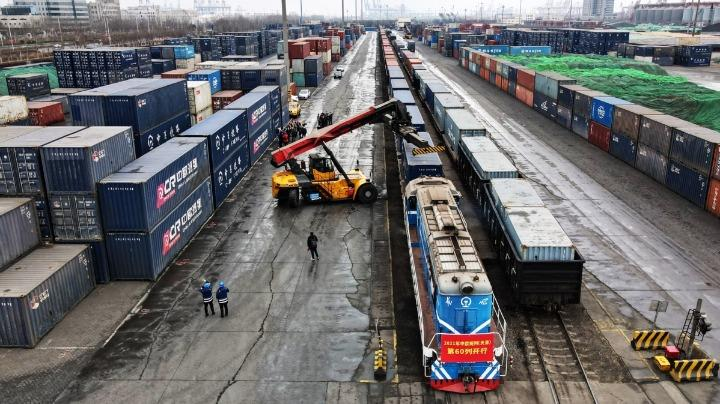
| Rail Transportation | International railway movement |
| Border Management | Customs coordination |
| Destination Handling | Terminal operations |
| Final Delivery | Truck delivery to warehouse |
Moreover, integrated management reduces communication gaps because one provider oversees the entire process.
As a result, companies gain better control over international shipments.
How Can End to End Rail Freight Logistics Management Service Improve Supply Chain Efficiency?
Many businesses experience delays because different logistics companies operate independently.
However, an integrated rail freight management service creates a single coordination system.
Benefits of Centralized Management
| Challenge | Integrated Solution |
|---|---|
| Multiple contacts | One logistics coordinator |
| Poor shipment visibility | Central tracking system |
| Customs uncertainty | Professional clearance support |
| Delivery delays | Better route planning |
Furthermore, experienced providers can identify risks before shipment departure.
For example, they may review documentation, confirm rail capacity, and arrange alternative transportation options.
Therefore, companies can reduce disruptions and improve supply chain stability.
Why Do Businesses Choose End to End Rail Freight Management Instead of Traditional Shipping?
Companies increasingly choose rail freight because it balances speed, cost, and reliability.
However, transportation alone is not enough. Effective management throughout the shipment lifecycle is equally important.
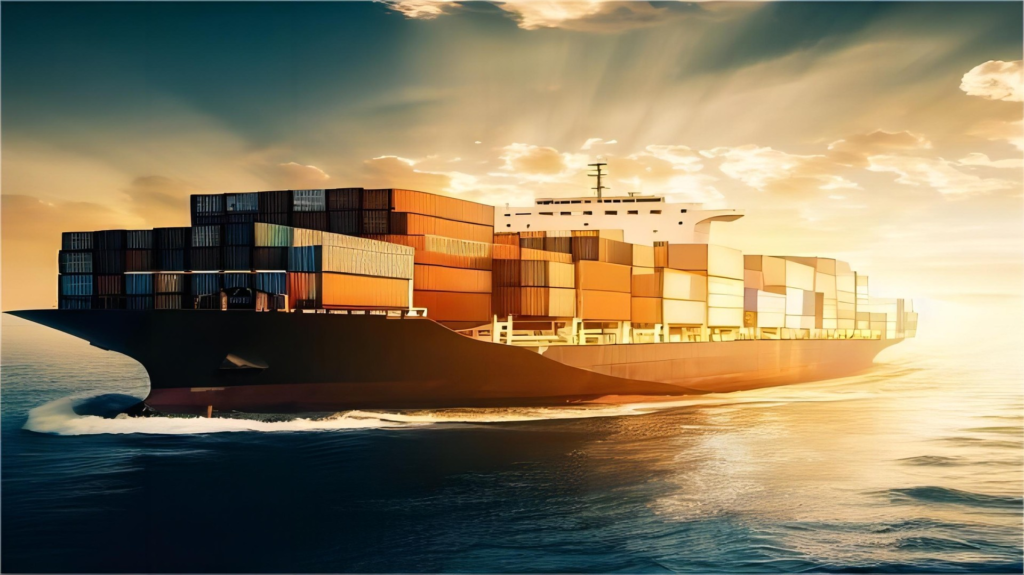
Rail Freight Compared With Other Methods
| Transportation Method | Transit Time | Cost Level | Best For |
|---|---|---|---|
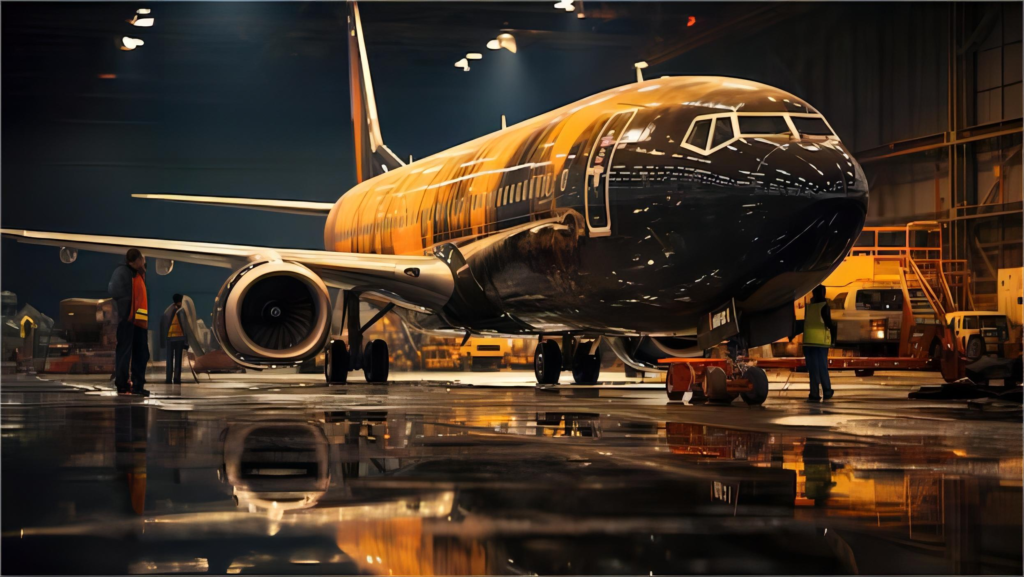
| Air Freight | 3–7 Days | High | Urgent cargo |
| Rail Freight | 15–25 Days | Medium | Balanced shipping |
| Ocean Freight | 30–50 Days | Low | Large-volume cargo |
Additionally, rail freight provides more stable schedules compared with some ocean routes affected by port congestion.
Consequently, an end-to-end management approach allows businesses to maximize the advantages of rail transportation.
How Does an End to End Rail Freight Logistics Management Service Handle Customs and Documentation?
Customs procedures are one of the most important parts of international rail shipping.
Even small documentation mistakes can create significant delays.
Key Documentation Support
| Document | Purpose |
|---|---|
| Commercial Invoice | Declares cargo value |
| Packing List | Provides shipment details |
| Rail Waybill | Transportation record |
| HS Code Information | Product classification |
| Customs Declaration | Import compliance |
Moreover, professional logistics providers perform document checks before cargo departure.
Customs Risk Prevention
A reliable service provider helps with:
- HS code validation
- Import requirement checks
- Customs communication
- Inspection coordination
As a result, companies reduce clearance risks and avoid unnecessary storage charges.
Case Study: End to End Rail Freight Logistics Management Service for European Distribution
| Item | Details |
|---|---|
| Origin | Shenzhen, China → Duisburg, Germany |
| Cargo | Consumer Electronics |
| Transit Time | 19 Days |
| Cost | 40% Lower Than Air Freight |
| Transportation Method | China-Europe Rail + Final Truck Delivery |
| Customs Clearance Details | Documents reviewed before departure and customs handled at destination |
| Brief Overview | The importer previously managed multiple logistics suppliers. After using an end-to-end rail freight management service, shipment coordination improved and delivery delays were reduced. |
What Additional Services Are Included in Complete Rail Freight Management?
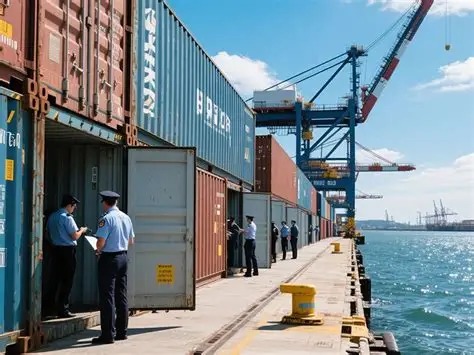
A professional provider usually offers more than railway transportation.
Instead, they create a complete logistics ecosystem.
Additional Services
| Service | Benefit |
|---|---|
| Warehousing | Flexible inventory management |
| Trucking | Final-mile delivery |
| Cargo Insurance | Risk protection |
| Tracking Platform | Shipment visibility |
| Supply Chain Consulting | Better planning |
Furthermore, multimodal solutions allow companies to combine rail, trucking, and warehouse services efficiently.
Therefore, businesses can simplify international logistics operations with one experienced partner.
How Should Companies Select an End to End Rail Freight Logistics Management Service Provider?
Choosing the right provider requires evaluating service capability rather than only comparing prices.
Selection Checklist
| Evaluation Factor | Importance |
|---|---|
| Rail Network Coverage | High |
| Customs Experience | High |
| Tracking Capability | Medium |
| Delivery Options | High |
| Customer Support | High |
| Pricing Transparency | Medium |
Additionally, companies should ask potential providers about:
- Average transit performance
- Peak season capacity planning
- Customs problem-solving experience
- Previous industry cases
Consequently, a detailed evaluation helps businesses avoid unreliable logistics partners.
Conclusion
An end to end rail freight logistics management service provides businesses with a complete transportation solution covering pickup, railway shipping, customs clearance, tracking, and final delivery.
Moreover, integrated management reduces coordination challenges, improves shipment visibility, and supports more predictable supply chain operations. Therefore, companies shipping between China and Europe can achieve better efficiency by working with experienced rail freight specialists.
Get a customized end to end rail freight logistics management service plan for your shipments. Contact our team to evaluate your route, cargo requirements, customs needs, and delivery goals.
FAQ:
Q1.What is an end to end rail freight logistics service?
It covers cargo pickup, rail transportation, customs clearance, tracking, and final delivery through one coordinated logistics provider.
Q2.How long does end-to-end rail freight shipping take?
Most China-Europe rail shipments take 15–25 days, depending on route, customs procedures, and destination handling.
Q3.Is rail freight cheaper than air shipping?
Yes. Rail freight usually costs less than air freight while providing faster delivery than ocean transportation.
Q4.What documents are required for rail freight management?
Common documents include commercial invoices, packing lists, rail waybills, customs declarations, and HS code details.
Q5.Can rail freight providers handle final delivery?
Yes. Many providers combine rail transportation with trucking services for complete door-to-door delivery.