

- By Jaxin
- July 15, 2026
- Amazon FBA
International importers often face a common problem: rail cargo arrives at the destination terminal, but customs delays, warehouse coordination issues, and trucking arrangements prevent fast delivery. Moreover, managing multiple suppliers increases communication costs and shipment risks.
A one stop rail freight customs warehouse trucking solution simplifies the entire logistics process by combining rail transport, customs clearance, warehouse handling, and final-mile trucking into one service. Therefore, businesses can improve shipment visibility, reduce delays, and create a more stable international supply chain.
This article explains how integrated rail logistics solutions work and why they are becoming an effective choice for global importers.

What Is a One Stop Rail Freight Customs Warehouse Trucking Solution?
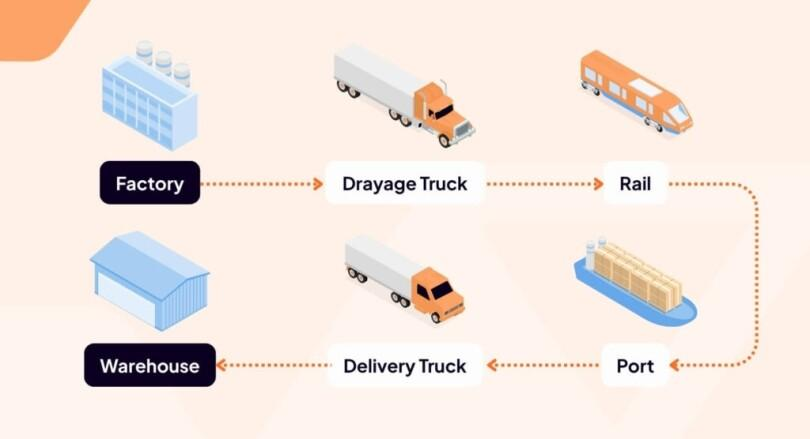
A one stop rail freight customs warehouse trucking solution is an integrated logistics service that manages multiple shipping stages through one provider. Instead of coordinating separate rail companies, customs agents, warehouse operators, and trucking suppliers, importers can handle the complete process through a single logistics partner.
Moreover, this model improves communication and reduces unnecessary handovers.
| Service | Function | Main Benefit |
|---|---|---|
| Rail Freight | China-Europe cargo transportation | Stable long-distance shipping |
| Customs Clearance | Import compliance handling | Fewer document problems |
| Warehouse Service | Storage and cargo management | Flexible inventory control |
| Trucking Delivery | Final destination transport | Faster cargo distribution |
Additionally, this solution is suitable for electronics, machinery, automotive parts, consumer products, and e-commerce inventory.
How Does One Stop Rail Freight Customs Warehouse Trucking Solution Reduce Logistics Risks?
Many shipment problems happen because different providers handle different stages independently. However, an integrated logistics model creates better coordination between transportation, customs, and delivery teams.
Furthermore, professional providers can prepare customs documents before cargo arrival and arrange warehouse capacity in advance.
| Common Risk | Traditional Method | Integrated Solution |
|---|---|---|
| Customs Delay | Documents prepared separately | Early document checking |
| Storage Charges | Warehouse arranged after arrival | Pre-booked warehouse space |
| Delivery Delay | Trucking arranged later | Scheduled final delivery |
| Communication Issues | Multiple contacts | One responsible team |
Therefore, businesses can reduce unexpected costs and improve supply chain stability.
Why Choose Integrated Rail Freight Customs Warehouse Services?
A one stop rail freight customs warehouse trucking solution provides more than transportation. It creates a complete logistics workflow from origin pickup to final delivery.
Moreover, companies can achieve better efficiency through:
- Centralized shipment management
- Faster customs coordination
- Reduced administrative workload
- Improved delivery planning
- Lower risk of cargo delays
| Logistics Option | Management Difficulty | Reliability |
|---|---|---|
| Separate Service Providers | High | Medium |
| One Integrated Provider | Low | High |
Additionally, importers with regular shipments can benefit from better pricing and predictable transportation schedules.
How Does Customs Clearance Work with One Stop Rail Freight Services?
Customs clearance is a critical step in international rail shipping. Therefore, a reliable one stop rail freight customs warehouse trucking solution should include professional customs support.
Before cargo arrives, logistics teams usually review:
| Document | Purpose |
|---|---|
| Commercial Invoice | Confirms cargo value |
| Packing List | Shows shipment details |
| Rail Waybill | Provides transportation information |
| HS Code | Determines customs classification |
| Import Declaration | Supports legal entry |
Therefore, importers can reduce risks and avoid unnecessary storage costs after rail arrival.
What Warehouse and Trucking Services Are Included After Rail Arrival?
After rail freight reaches the destination terminal, warehouse and trucking coordination becomes essential. A complete solution usually includes temporary storage, cargo handling, and final delivery.
Additionally, warehouse services help importers manage inventory more efficiently.
| Service | Advantage |
|---|---|
| Bonded Warehouse | Supports customs flexibility |
| Cargo Sorting | Improves distribution efficiency |
| Repacking Service | Meets local requirements |
| Truck Delivery | Connects terminals with final destinations |
Typical delivery timelines include:
| Route | Trucking Time |
|---|---|
| Germany Terminal → Local Warehouse | 1–2 Days |
| Central Europe → Distribution Center | 2–4 Days |
Therefore, combining warehouse and trucking reduces waiting time after rail arrival.
Case Study: Electronics Importer Improves Delivery Efficiency
🚢 Route
Shanghai, China → Duisburg, Germany
📦 Cargo
Consumer electronics
⏱️ Transit Time
18 days rail + 3 days customs clearance and delivery
💰 Cost Impact
Reduced by around 15% compared with separate logistics suppliers
🚆 Transportation Method
China-Europe Rail + Warehouse + Trucking
🛃 Customs Clearance
HS code verification and document checking completed before cargo arrival, reducing clearance risks.
📝 Overview
The importer previously managed multiple logistics providers, which caused communication delays and shipment uncertainty. After switching to an integrated solution, customs, warehousing, and trucking services were coordinated through one dedicated team.
✅ Results
- 🚀 Faster cargo release
- 🏢 Lower storage risk
- 🚚 Better delivery planning
How Does Rail Freight Compare with Air and Sea Shipping?
Choosing the right transport method depends on budget, urgency, and cargo characteristics. However, rail freight often provides a balance between speed and cost.
| Method | Transit Time | Cost Level | Suitable For |
|---|---|---|---|
| Air Freight | 3–7 Days | High | Urgent cargo |
| Rail Freight | 12–25 Days | Medium | Balanced shipping |
| Sea Freight | 30–45 Days | Low | Large shipments |
Moreover, rail freight can provide a reliable alternative during ocean shipping delays or peak season capacity shortages.
How to Select the Right Rail Freight Solution Provider?
Choosing the correct logistics partner is essential for long-term shipping success. Therefore, companies should evaluate service capability, industry experience, and destination coverage.
Important factors include:
| Factor | Importance |
|---|---|
| Rail Network | Ensures stable routes |
| Customs Experience | Reduces compliance risks |
| Warehouse Locations | Improves flexibility |
| Trucking Resources | Supports final delivery |
| Tracking System | Provides shipment visibility |
Additionally, reliable providers should offer customized solutions based on cargo type, destination, and delivery requirements.
Conclusion
A one stop rail freight customs warehouse trucking solution helps businesses simplify China-Europe logistics by combining rail transportation, customs clearance, warehouse management, and trucking delivery.
Moreover, this integrated approach reduces communication problems, improves customs efficiency, and creates a more reliable supply chain. For companies seeking stable international shipping solutions, choosing a professional logistics partner can significantly improve operational performance.
Contact our logistics team today to optimize your China-Europe shipments with a one stop rail freight customs warehouse trucking solution. Get a customized freight plan, customs support, and warehouse-to-door delivery service for your business needs.
FAQ:
Q1.How much does a one stop rail freight customs warehouse trucking solution cost?
The cost depends on route, cargo volume, destination, and service requirements. Integrated solutions usually help reduce overall logistics expenses.
Q2.How long does China-Europe rail freight usually take?
Most China-Europe rail shipments take 12–25 days. However, customs procedures and final trucking time may affect the total delivery schedule.
Q3.What services are included in this logistics solution?
It usually includes rail transportation, customs clearance, warehouse handling, cargo storage, and final-mile trucking delivery.
Q4.What documents are needed for rail freight customs clearance?
Importers normally need invoices, packing lists, rail waybills, HS codes, and customs declarations to complete clearance procedures.
Q5.How can businesses choose a reliable rail freight provider?
Companies should check rail experience, customs capability, warehouse resources, delivery networks, and shipment tracking systems before cooperation.