

- By Jaxin
- July 15, 2026
- logistics process
Introduction
Furniture manufacturers exporting globally often struggle with balancing transportation costs, delivery schedules, and product protection. Moreover, bulky furniture shipments require careful planning because delays, handling damage, and inefficient routing can directly affect customer satisfaction.
Rail freight logistics for furniture manufacturers exporting globally provides a practical solution by offering stable transportation capacity, competitive pricing, and better shipment control for international furniture supply chains. Therefore, manufacturers can expand into overseas markets while maintaining predictable delivery performance.
This article explains how furniture companies can use rail freight solutions to optimize export operations, reduce logistics risks, and improve global distribution efficiency.
What Is Rail Freight Logistics for Furniture Manufacturers Exporting Globally?
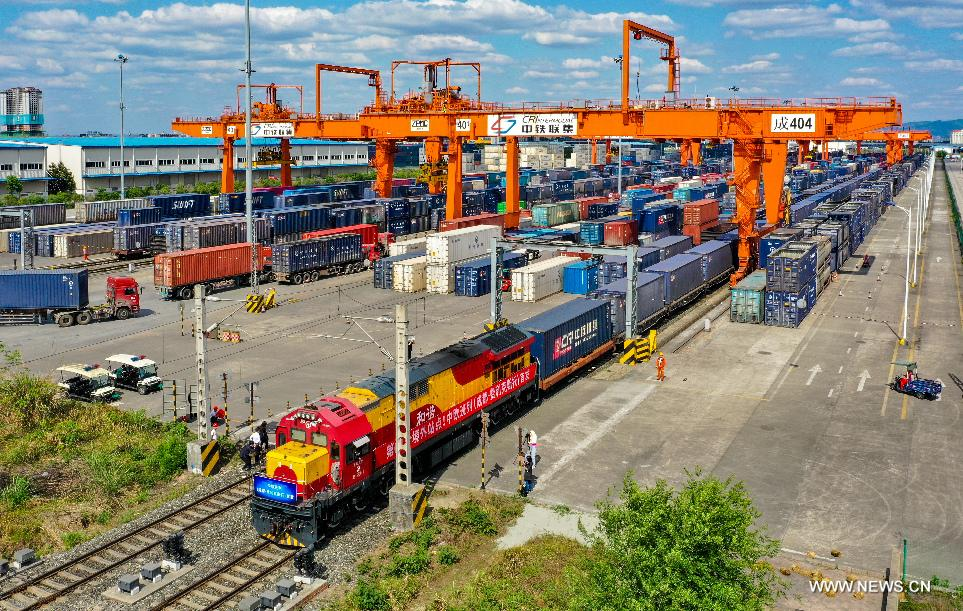
Rail freight logistics for furniture manufacturers exporting globally refers to the use of international rail networks to transport furniture products from manufacturing locations to overseas markets. Compared with traditional shipping methods, rail freight provides a balance between transportation speed, cost efficiency, and cargo reliability.
Moreover, furniture exporters can combine rail transportation with warehousing, customs clearance, and trucking services to create a complete supply chain solution.
| Logistics Stage | Service Function | Benefit |
|---|---|---|
| Factory Pickup | Collect finished furniture | Simplifies export preparation |
| Rail Transportation | Long-distance cargo movement | Stable transit schedules |
| Customs Clearance | Import/export compliance | Reduces border delays |
| Local Trucking | Final delivery | Connects warehouses and retailers |
Additionally, rail freight is especially suitable for manufacturers shipping:
- Wooden furniture
- Office furniture
- Home decoration products
- Flat-pack furniture
- Commercial furniture projects
Why Do Furniture Manufacturers Choose Rail Freight for Global Exports?

Furniture products usually have large dimensions and high shipping volume. Therefore, transportation costs can significantly influence international competitiveness.
However, air freight is too expensive for most furniture shipments, while ocean freight may involve longer transit times.
| Transportation Method | Transit Time | Cost Level | Suitability |
|---|---|---|---|
| Air Freight | 3–7 Days | Very High | Samples and urgent orders |
| Rail Freight | 12–25 Days | Medium | Regular furniture exports |
| Sea Freight | 30–45 Days | Low | Large-volume shipments |
Moreover, rail freight offers several advantages:
- More stable schedules during peak seasons
- Lower cost than air transportation
- Faster delivery than ocean shipping
- Better inventory planning
Therefore, furniture manufacturers can improve overseas market response while controlling logistics expenses.
How Can Rail Freight Logistics Support Furniture Manufacturers Exporting Globally?
Furniture exporters often manage complex international orders involving factories, distributors, retailers, and warehouses. Furthermore, inconsistent transportation schedules may create inventory shortages or delayed customer deliveries.
A professional rail freight strategy improves supply chain performance through:
| Challenge | Rail Freight Solution |
|---|---|
| Long ocean transit times | Faster cross-border transportation |
| Uncertain delivery schedules | More predictable rail routes |
| High inventory pressure | Better replenishment planning |
| Multiple logistics suppliers | Integrated shipment management |
Additionally, manufacturers can combine rail freight with regional warehouses to maintain inventory closer to customers.
For example, European furniture suppliers may use rail services from China to Germany or Poland, then distribute products through local trucking networks.
How Does Furniture Packaging Affect Rail Freight Export Success?
Furniture requires specialized packaging because products are vulnerable to scratches, moisture, and impact damage during transportation.
Therefore, proper preparation is essential before international rail shipment.
Key Packaging Requirements for Furniture Export
| Packaging Method | Purpose |
|---|---|
| Protective Foam | Prevents surface damage |
| Reinforced Cartons | Supports heavy components |
| Wooden Pallets | Improves handling efficiency |
| Moisture Protection | Reduces humidity risks |
Moreover, manufacturers should consider:
- Product dimensions
- Container loading efficiency
- Weight distribution
- Handling frequency
Additionally, optimized packaging can increase container utilization and reduce unnecessary transportation costs.
Case Study: Furniture Manufacturer Expands European Distribution
📦 Case Study Card
🚢 Route
Suzhou, China → Hamburg, Germany
📦 Cargo
Home furniture sets and wooden panels
⏱️ Transit Time
21 days rail transportation + local delivery
💰 Cost Impact
Reduced transportation expenses compared with air freight alternatives
🚆 Transportation Method
China-Europe Rail Freight + Warehouse + Truck Delivery
🛃 Customs Clearance
Export documents and product classification were reviewed before shipment departure.
📝 Overview
The furniture manufacturer previously relied mainly on ocean freight, which created long replenishment cycles for European distributors. By adopting rail freight, the company improved delivery speed and created a more flexible inventory strategy.
✅ Results
- 🚀 Faster market replenishment
- 🏢 Improved warehouse planning
- 🚚 More reliable distributor deliveries
How Can Furniture Exporters Reduce Rail Freight Costs?
Although rail freight provides competitive pricing, furniture manufacturers still need effective cost optimization strategies. Moreover, poor planning can increase transportation expenses.
Key cost-saving methods include:
| Strategy | Cost Benefit |
|---|---|
| Consolidating Shipments | Reduces frequent small shipments |
| Optimizing Packaging Size | Improves container utilization |
| Booking in Advance | Avoids peak season price increases |
| Using Regional Warehouses | Reduces repeated transportation |
Furthermore, manufacturers should analyze shipping frequency and destination demand before selecting transportation plans.
For regular exports, long-term cooperation with logistics providers can also create more stable freight rates.
How Should Furniture Manufacturers Select a Rail Freight Partner?
Choosing the right logistics provider is essential because furniture exports involve large cargo volume, complex handling requirements, and multiple delivery destinations.
A reliable partner should provide:
| Evaluation Factor | Importance |
|---|---|
| International Rail Experience | Ensures route stability |
| Furniture Handling Knowledge | Reduces cargo damage risks |
| Customs Support | Improves clearance efficiency |
| Warehouse Network | Supports distribution needs |
| Trucking Capability | Completes final delivery |
Moreover, manufacturers should choose providers that can offer shipment tracking and customized solutions based on destination markets.
A strong logistics partner helps companies manage not only transportation but also long-term global expansion.
Conclusion
Rail freight logistics for furniture manufacturers exporting globally offers an efficient transportation option for companies seeking a balance between cost, speed, and reliability.
Moreover, rail solutions help furniture exporters reduce delivery uncertainty, improve inventory planning, and expand into international markets with greater confidence. By combining rail transportation, customs support, warehousing, and local delivery, manufacturers can build a stronger global supply chain.
Contact our logistics specialists today to optimize your furniture export shipments with professional rail freight logistics for furniture manufacturers exporting globally. Get a customized transportation plan designed for your products, destinations, and delivery requirements.
FAQs
1. Is rail freight suitable for furniture manufacturers exporting internationally?
Yes. Rail freight is suitable for furniture exporters because it provides a balance between cost, speed, and reliable delivery for medium and large shipments.
2. How long does furniture rail freight shipping usually take?
China-Europe furniture rail shipments typically take 12–25 days. However, customs clearance and final trucking may affect the total delivery time.
3. Can rail freight reduce furniture export costs?
Yes. Rail freight usually costs less than air shipping and provides faster delivery compared with traditional ocean transportation.
4. What documents are required for furniture rail exports?
Common documents include commercial invoices, packing lists, export declarations, certificates, and transportation documents.
5. How can furniture manufacturers choose a reliable rail freight provider?
Manufacturers should evaluate rail experience, customs capability, warehouse resources, tracking systems, and international delivery networks before cooperation.