

Introduction
Home appliance suppliers exporting internationally often face complex logistics challenges, including high transportation costs, long delivery cycles, and the risk of inventory shortages. Moreover, large and fragile appliances require careful handling throughout the entire shipping process.
A rail freight shipping solution for home appliance suppliers helps manufacturers and distributors achieve more stable international transportation by combining efficient rail networks, customs support, warehousing, and final-mile delivery. Therefore, suppliers can improve delivery reliability while maintaining better control over export costs.
This guide explains how rail freight can support global appliance supply chains, reduce shipping risks, and create a more efficient export strategy.
What Is a Rail Freight Shipping Solution for Home Appliance Suppliers?
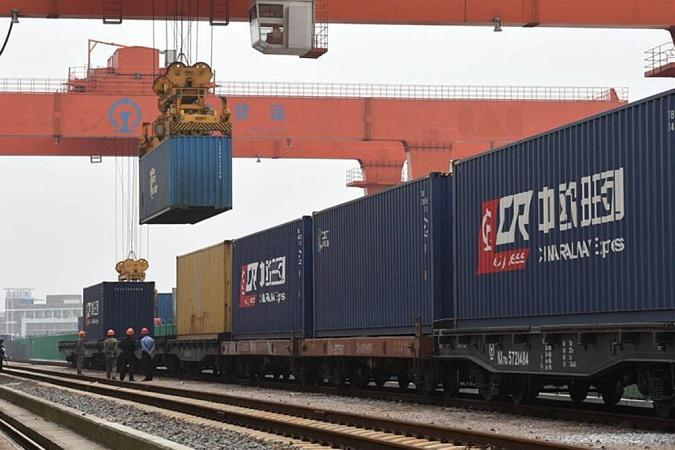
A rail freight shipping solution for home appliance suppliers is an international logistics service designed to transport appliances from factories to overseas markets through railway networks.
Unlike single transportation services, professional rail freight solutions often include multiple logistics stages:
| Service Stage | Main Function | Supplier Benefit |
|---|---|---|
| Factory Pickup | Collect finished appliances | Simplifies export preparation |
| Rail Transportation | Long-distance shipment | Stable delivery schedules |
| Customs Clearance | Handle import requirements | Reduces compliance risks |
| Warehouse Service | Temporary storage and distribution | Supports inventory planning |
| Truck Delivery | Final destination delivery | Completes door-to-door shipping |
Moreover, this solution is suitable for products such as:
- Refrigerators
- Washing machines
- Air conditioners
- Kitchen appliances
- Smart home devices
Additionally, integrated rail logistics allows suppliers to manage international shipments through fewer service providers, improving communication efficiency.
Why Do Home Appliance Suppliers Choose Rail Freight Shipping?
Home appliances are usually large, heavy, and valuable products. Therefore, transportation selection directly affects export profitability and customer satisfaction.
Compared with air and sea transportation, rail freight provides a balanced option between cost and delivery speed.
| Shipping Method | Transit Time | Cost Level | Best Use Case |
|---|---|---|---|
| Air Freight | 3–7 Days | High | Urgent spare parts |
| Rail Freight | 12–25 Days | Medium | Regular appliance exports |
| Sea Freight | 30–45 Days | Low | Large-volume shipments |
However, ocean freight may create longer inventory cycles, especially during peak seasons or port congestion periods.
Moreover, rail freight offers:
- More predictable transportation schedules
- Lower cost compared with air shipping
- Better supply chain visibility
- Flexible connections with European distribution networks
Therefore, appliance suppliers can maintain faster replenishment cycles without significantly increasing logistics expenses.
How Can Rail Freight Shipping Improve Appliance Supply Chain Management?
International appliance businesses often need to coordinate factories, distributors, warehouses, and retailers. However, poor transportation planning can result in delayed deliveries and excess inventory.
A professional rail freight shipping solution for home appliance suppliers improves supply chain efficiency through better coordination.
Improving Inventory Availability
Rail freight enables suppliers to maintain more predictable delivery schedules. Moreover, companies can plan inventory replenishment more accurately based on market demand.
| Supply Chain Challenge | Rail Freight Solution |
|---|---|
| Long delivery cycles | Faster international transportation |
| Unstable arrival times | Scheduled rail services |
| Inventory shortages | Better replenishment planning |
| High emergency shipping costs | More affordable transport alternatives |
Supporting Global Distribution
Additionally, rail freight can connect manufacturing locations with regional warehouses. Therefore, suppliers can store products closer to customers and improve local delivery speed.
For example, appliances shipped from China to European rail hubs can be distributed through local trucking networks to retailers and warehouses.
How Can Suppliers Protect Home Appliances During Rail Transportation?
Because home appliances often contain electronic components, glass parts, and sensitive surfaces, packaging and handling are critical.
Therefore, suppliers should prepare shipments according to international transportation standards.
| Protection Method | Purpose |
|---|---|
| Reinforced Packaging | Prevents impact damage |
| Moisture Protection | Reduces humidity risks |
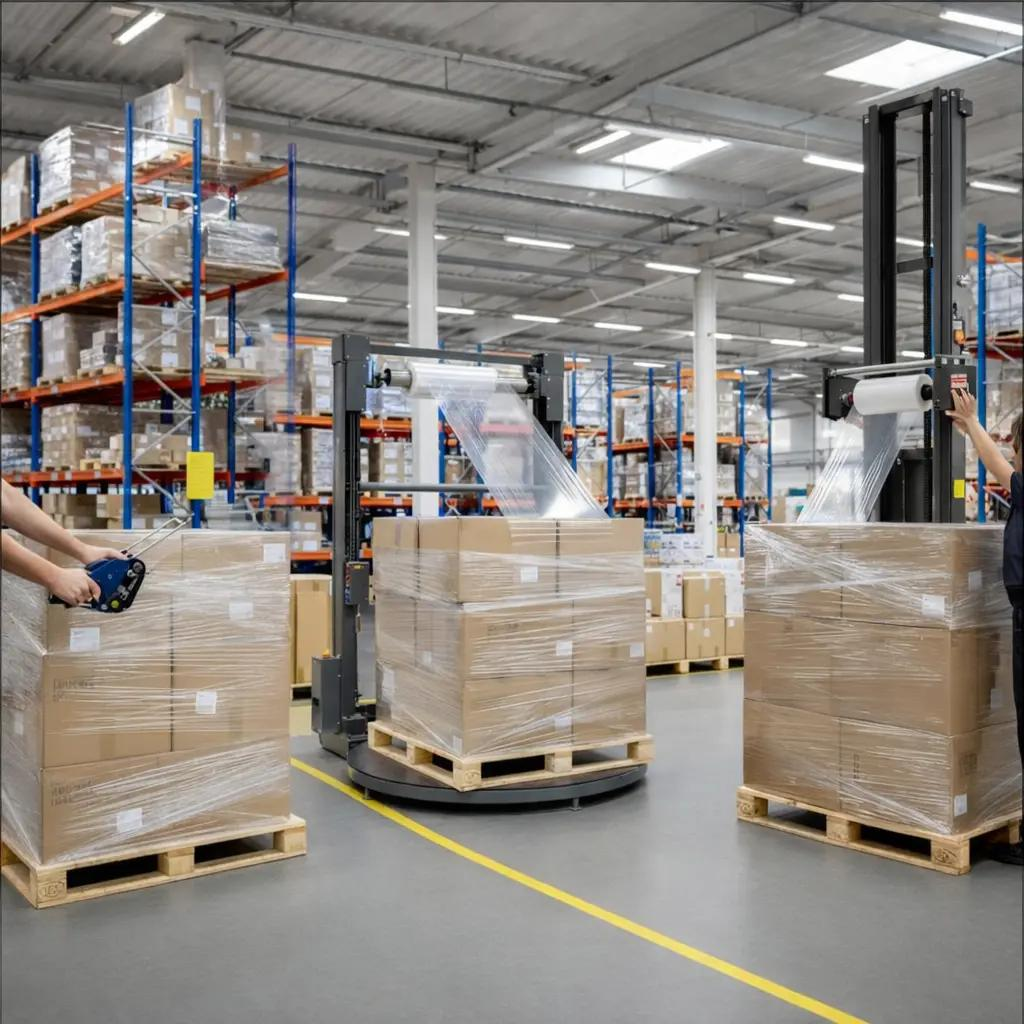
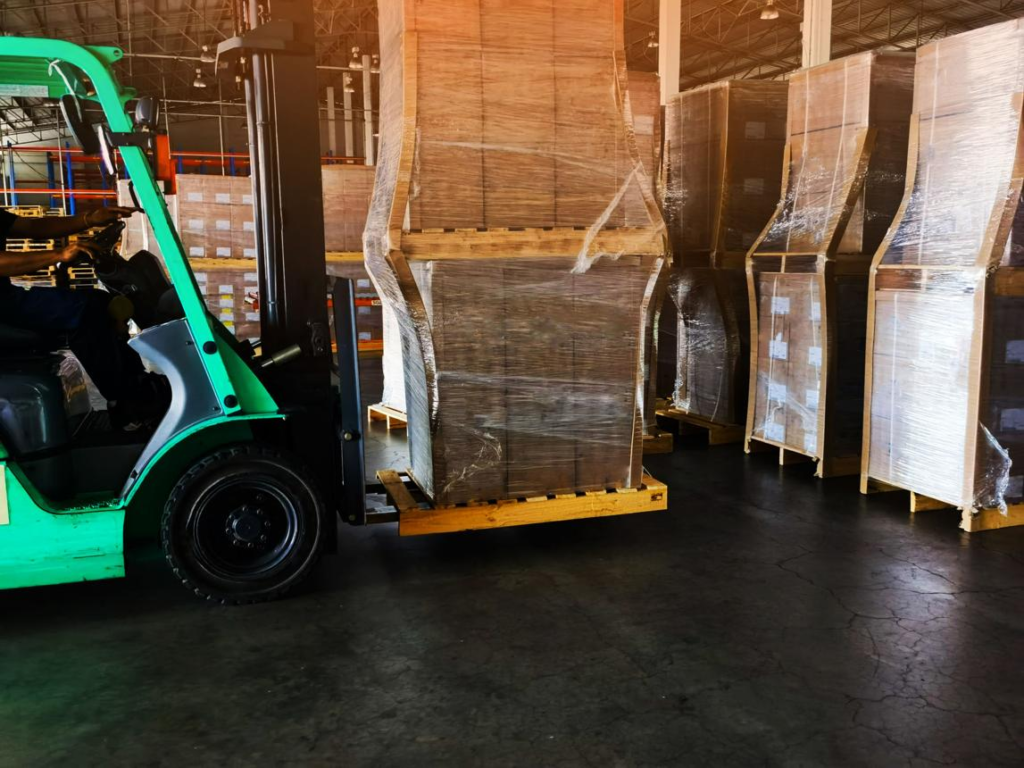
| Secure Palletizing | Improves loading stability |
| Shock Protection | Protects internal components |
Moreover, professional logistics providers can assist with:
- Container loading optimization
- Cargo weight distribution
- Damage prevention planning
- Warehouse handling procedures
Additionally, proper packaging improves container utilization and helps reduce unnecessary transportation costs.
Case Study: Appliance Supplier Improves European Delivery Performance
📦 Case Study Card
🚢 Route
Shenzhen, China → Duisburg, Germany
📦 Cargo
Home appliances and smart kitchen equipment
⏱️ Transit Time
19 days rail transportation + 3 days customs and delivery
💰 Cost Impact
Lower transportation expenses compared with air freight options
🚆 Transportation Method
China-Europe Rail Freight + Customs Clearance + Truck Delivery
🛃 Customs Clearance
Shipping documents and product classification were reviewed before arrival to reduce clearance delays.
📝 Overview
The supplier previously depended on ocean shipping, which caused long replenishment cycles for European distributors. After adopting rail freight, the company improved delivery speed and gained better control over inventory planning.
✅ Results
- 🚀 Faster product replenishment
- 📦 Improved inventory management
- 🚚 More reliable customer deliveries
How Can Home Appliance Suppliers Reduce Rail Freight Costs?
Although rail freight provides competitive pricing, suppliers still need effective cost management strategies. Furthermore, appliance shipments often involve large cargo volume, making planning especially important.
Key optimization methods include:
| Strategy | Cost Advantage |
|---|---|
| Consolidating Shipments | Reduces frequent small deliveries |
| Improving Container Loading | Maximizes available space |
| Planning Seasonal Shipments | Avoids peak rate increases |
| Using Local Warehouses | Reduces repeated transport costs |
Moreover, suppliers should analyze shipment frequency, destination demand, and product volume before selecting logistics plans.
Additionally, long-term cooperation with experienced rail freight providers can help businesses achieve more stable transportation costs.
How Should Suppliers Select a Rail Freight Partner?
Choosing the right logistics provider is essential because home appliance exports require professional handling, customs knowledge, and reliable delivery networks.
Before cooperation, suppliers should evaluate:
| Evaluation Factor | Importance |
|---|---|
| Rail Route Experience | Ensures stable transportation |
| Customs Capability | Reduces clearance problems |
| Warehouse Network | Supports regional distribution |
| Trucking Resources | Enables final delivery |
| Tracking System | Improves shipment visibility |
Furthermore, a reliable provider should offer customized solutions based on appliance type, destination market, and delivery requirements.
A strong logistics partner does not only transport goods but also helps suppliers build a more efficient international supply chain.
Conclusion
A rail freight shipping solution for home appliance suppliers provides a reliable way to manage international appliance exports with better cost control, stable delivery schedules, and improved supply chain visibility.
Moreover, by combining rail transportation, customs support, warehouse services, and final-mile delivery, suppliers can reduce logistics complexity and respond faster to global market demand.
For appliance manufacturers expanding internationally, selecting the right rail freight strategy can create long-term advantages in efficiency and customer satisfaction.
👉 Contact our logistics specialists today to develop a customized rail freight shipping solution for home appliance suppliers.
FAQs
Q1:Is rail freight suitable for home appliance exports?
Yes. Rail freight is suitable for home appliances because it provides a balance between transportation cost, delivery speed, and cargo protection.
Q2: How long does appliance rail freight shipping take?
China-Europe rail freight usually takes 12–25 days. However, customs procedures and final delivery locations may affect total transit time.
Q3: Can rail freight reduce appliance shipping costs?
Yes. Rail freight is generally more affordable than air shipping while providing faster delivery compared with traditional ocean routes.
Q4: What documents are required for appliance rail shipments?
Common documents include commercial invoices, packing lists, transportation documents, customs declarations, and product certificates when required.
Q5: How do suppliers choose a reliable rail freight provider?
Suppliers should evaluate rail experience, customs support, warehouse resources, tracking capability, and international delivery coverage before selecting a provider.