

- By Jaxin
- August 11, 2026
- import-from-China
Introduction
For importers across Asia, choosing the right transportation partner can directly affect inventory availability, purchasing costs, and customer delivery schedules. An experienced rail freight forwarder for Asia importers can help businesses manage these challenges by combining rail transportation with customs, trucking, warehousing, and destination delivery.
Asia’s supply chains are highly diverse. An importer may purchase machinery from China, replenish products for a regional warehouse, or coordinate shipments from several suppliers at the same time. Consequently, a standard transportation service may not always provide enough flexibility.
Instead, importers often need a logistics partner that understands the complete movement of cargo. The shipment may begin at a factory, move by truck to a rail terminal, continue by rail, pass through customs, and finally reach a warehouse or distribution center.
Furthermore, cost is only one part of the decision. Transit time, container availability, shipment visibility, customs coordination, and final delivery can all influence the real logistics performance.
This article explains what an experienced rail freight forwarder can provide for Asian importers, how to evaluate a provider, and how professional rail logistics can improve supply chain efficiency.

Why Do Asia Importers Use Rail Freight From China?
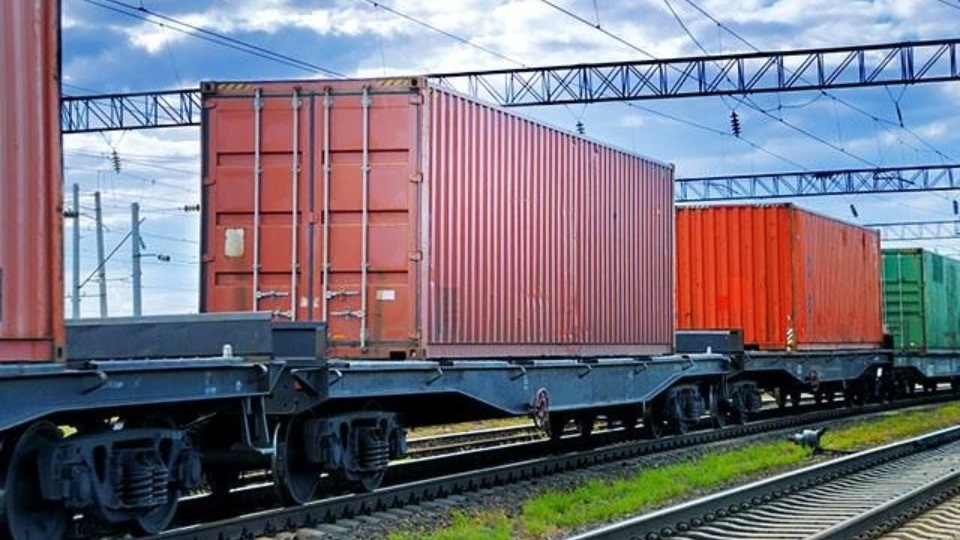
Rail freight can provide Asian importers with a useful balance between transportation cost and delivery speed. While ocean freight may offer lower basic rates for certain shipments, rail can become attractive when importers need faster replenishment or greater schedule flexibility.
At the same time, air freight can solve urgent delivery requirements, but its higher cost makes it difficult to use for large volumes or regular commercial cargo. Therefore, rail freight can fill the gap between these two transportation options.
Key Advantages For Asia Importers
| Benefit | Importer Value |
|---|---|
| 🚆 Faster Transportation | Supports quicker inventory replenishment |
| 💰 Cost Efficiency | Reduces dependence on expensive air freight |
| 📦 Larger Capacity | Suitable for commercial cargo |
| 📅 Scheduled Service | Helps improve delivery planning |
| 🚚 Multimodal Connections | Supports door-to-door transportation |
Cargo Suitable For Rail
Asia importers may consider rail transportation for:
- Electronics
- Machinery and equipment
- Automotive components
- Industrial materials
- Consumer products
- Ecommerce inventory
- Commercial merchandise
Moreover, rail freight can be particularly useful when an importer wants to diversify transportation methods instead of relying entirely on ocean or air shipping.
Therefore, the best approach is not necessarily to replace one mode completely. Instead, importers can assign different cargo to different transportation methods according to urgency, value, volume, and budget.
What Services Should An Experienced Rail Freight Forwarder Provide?
An experienced rail freight forwarder should manage much more than the railway segment itself. In practice, successful international rail shipping depends on several connected logistics stages.
For example, cargo may need factory pickup before reaching the rail terminal. Likewise, destination trucking may be required after customs clearance. Therefore, an integrated service can make the shipment easier to manage.
Essential Services
| Service | Why Importers Need It |
| 🚆 Rail Booking | Secures suitable transportation |
| 📦 FCL & LCL | Handles different cargo volumes |
| 🚚 Factory Pickup | Connects suppliers with rail terminals |
| 🛃 Customs Support | Reduces documentation risks |
| 🏢 Warehousing | Supports consolidation and storage |
| 📍 Shipment Tracking | Improves cargo visibility |
| 🚪 Final Delivery | Completes the supply chain |
Supplier Coordination
Asia importers may purchase from multiple Chinese suppliers. Consequently, cargo can become ready at different times.
An experienced forwarder can coordinate pickup schedules, consolidate suitable shipments, and provide centralized communication.
Customs Management
Customs procedures can also influence delivery performance. Therefore, documentation should be reviewed before cargo reaches the relevant clearance stage.
As a result, importers can reduce unnecessary coordination work and focus more on purchasing, inventory, and distribution.
How Can Rail Freight Improve Supply Chains For Asia Importers?
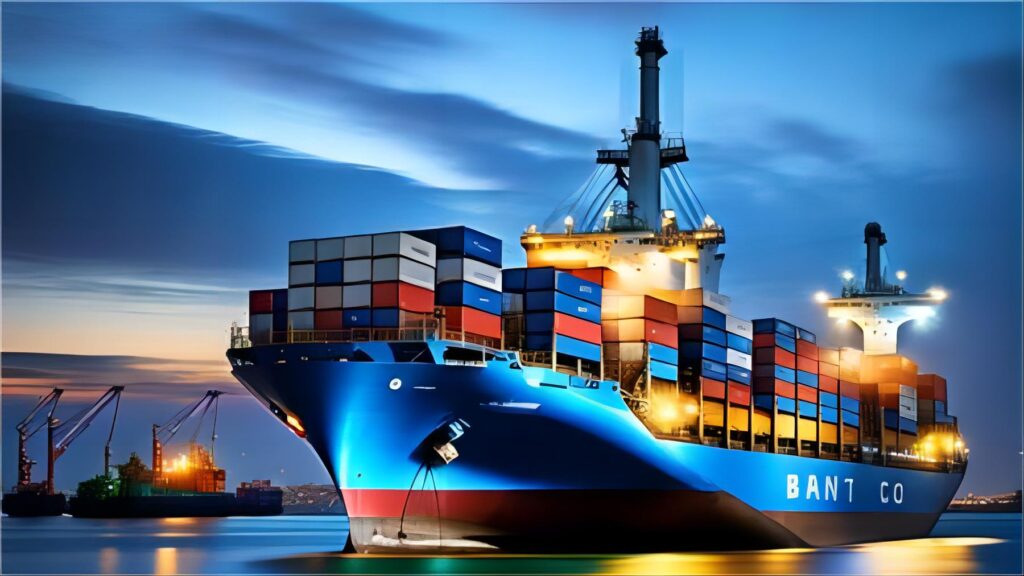
The value of rail freight goes beyond transit time. When properly planned, it can also improve inventory management and transportation flexibility.
1. Faster Inventory Replenishment
When stock levels fall unexpectedly, waiting for a long ocean transit may create pressure on warehouse inventory. Rail can provide a faster alternative for suitable replenishment cargo.
2. Better Transportation Balance
Importers do not always need the fastest possible shipping method. Instead, they need a transportation option that meets the delivery deadline at a reasonable cost.
Consequently, rail can reduce the need to move every urgent shipment by air.
3. Greater Supply Chain Flexibility
Using both ocean and rail allows importers to respond more effectively to transportation disruptions.
For instance, regular low-priority cargo can continue by sea, while time-sensitive inventory can move by rail.
4. Improved Multimodal Planning
Rail can connect with trucking and warehousing services. Therefore, the entire journey can be planned from supplier to final warehouse rather than focusing only on the railway portion.
A Practical Shipping Strategy
Regular Cargo → Ocean
Time-Sensitive Cargo → Rail
Highly Urgent Cargo → Air
This mixed strategy can help importers balance transportation cost, speed, and supply chain reliability.
How Should Asia Importers Choose An Experienced Rail Freight Forwarder?
Not every freight forwarder has the same level of rail logistics experience. Therefore, importers should evaluate operational capability instead of choosing a provider based only on the lowest quotation.
Rail Network Experience
First, check whether the forwarder regularly handles China rail cargo and understands the routes relevant to your destination.
Container Capability
A reliable provider should be able to arrange appropriate FCL equipment and, when necessary, LCL consolidation.
Multimodal Resources
Because rail rarely covers the complete journey, trucking capability is important both at origin and destination.
Customs Knowledge
Importers should also confirm whether the forwarder understands the customs requirements associated with their cargo and destination.
Tracking And Communication
Clear shipment updates help importers coordinate warehouse receiving and inventory planning.
Door-To-Door Capability
If you prefer one logistics partner, confirm whether the provider can manage the shipment from the supplier’s factory to your warehouse.
| 🔍 Evaluation Factor | What To Check |
| 🚆 Rail Experience | Relevant routes and shipment history |
| 📦 Container Resources | FCL and LCL capability |
| 🚚 Trucking | Origin and destination connections |
| 🛃 Customs | Documentation and clearance support |
| 📍 Tracking | Shipment visibility |
| 🚪 Delivery | Door-to-door capability |
| 💬 Communication | Response speed and updates |
Ultimately, an experienced forwarder should provide a complete logistics solution rather than simply selling railway space.
Real-World Experienced Rail Freight Forwarder For Asia Importers Cases
🏭 Case 1: Machinery Importer With A Fixed Installation Schedule
| 📌 Item | Details |
| 🚢 Route | China Equipment Factory → Asian Industrial Site |
| 📦 Cargo | Production Machinery |
| ⏱ Transit Time | 13 Days |
| 💰 Cost Impact | Lower than using urgent air transportation |
| 🚆 Transport Method | Factory Pickup + Rail Freight + Site Delivery |
| 🛃 Challenge | Equipment had to arrive before installation |
| 📝 Solution | Coordinated pickup, rail booking, customs, and final trucking |
| ✅ Result | Equipment arrived according to the project schedule |
📦 Case 2: Retail Importer Replenishing Multiple Warehouses
| 📌 Item | Details |
| 🚢 Route | China Distribution Center → Asian Regional Warehouse |
| 📦 Cargo | Consumer Products |
| ⏱ Transit Time | 11 Days |
| 💰 Cost Impact | Improved replenishment cost efficiency |
| 🚆 Transport Method | Rail Freight + Destination Trucking |
| 🛃 Challenge | Inventory levels were falling across several locations |
| 📝 Solution | Planned rail shipments and coordinated warehouse deliveries |
| ✅ Result | Inventory replenishment became more predictable |
How Can Asia Importers Build A More Reliable Rail Shipping Strategy?
An effective rail strategy should begin with the importer’s business requirements rather than simply selecting a route.
First, determine which products actually need faster transportation. Then, classify shipments according to urgency, volume, and value.
Recommended Planning Framework
Cargo Requirements → Route Selection → Container Planning → Customs → Rail → Final Delivery
For regular commercial inventory, scheduled rail shipments may provide stable replenishment.
For smaller shipments, LCL consolidation can improve cost efficiency.
Meanwhile, urgent cargo may require a combination of rail and trucking to meet a specific delivery deadline.
Furthermore, importers should consider their entire supply chain. A competitive rail rate does not necessarily mean a competitive total logistics cost if additional trucking, storage, customs, or handling charges are overlooked.
Questions To Ask Your Forwarder
Before cooperation, ask:
- Which China rail routes do you regularly handle?
- Can you arrange supplier pickup?
- Do you support FCL and LCL?
- Can you consolidate cargo from multiple suppliers?
- Do you provide customs assistance?
- Can you arrange destination trucking?
- Do you offer door-to-door delivery?
- How frequently will shipment updates be provided?
- Can you provide a complete logistics quotation?
Consequently, importers can compare providers based on total service capability rather than transportation price alone.
Conclusion
An experienced rail freight forwarder for Asia importers can help businesses improve transportation flexibility, control logistics costs, and maintain more reliable inventory replenishment. More importantly, the right forwarder coordinates the complete shipping chain instead of treating rail transportation as an isolated service.
From supplier pickup and warehouse consolidation to rail booking, customs, destination trucking, and final delivery, each stage contributes to the final shipping result.
Furthermore, Asia importers have different logistics priorities. Some need regular FCL shipments, while others require LCL consolidation or door-to-door delivery from multiple suppliers. Therefore, a flexible logistics partner can design transportation around the actual business requirements.
For importers looking to diversify beyond ocean and air freight, rail can provide a practical middle option that balances speed, capacity, and cost.
With experienced rail logistics support, businesses can build a more responsive China-to-Asia supply chain and make international cargo management considerably easier.
🤝 Ready To Improve Your China Import Logistics?
Tell us your supplier location, destination, cargo volume, and preferred delivery time. We can help develop a rail freight plan around your actual import requirements.
FAQs
1. Why should Asia importers use rail freight from China?
Rail can provide a useful balance between ocean’s lower cost and air freight’s higher speed, making it suitable for many commercial shipments.
2. Can rail freight handle FCL and LCL shipments?
Yes. Depending on the route and service, importers can use full-container or consolidated rail solutions.
3. Can a freight forwarder collect cargo from multiple Chinese suppliers?
Yes. A forwarder can coordinate supplier pickups and consolidate compatible shipments at a warehouse.
4. Does rail freight include customs clearance?
Customs support can be included as part of an integrated logistics service, although exact procedures depend on the shipment and destination.
5. Can rail freight provide door-to-door delivery for Asia importers?
Yes. Rail transportation can be combined with origin and destination trucking to create a complete door-to-door solution.