

- By Jaxin
- July 22, 2026
- import-from-China
Introduction
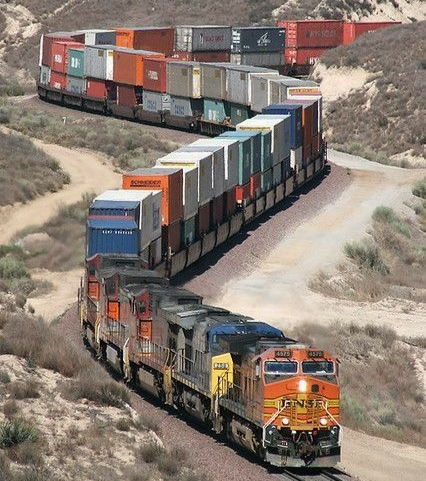
Fast rail freight transit from China has become a preferred logistics solution for importers seeking quicker delivery than ocean freight without the high costs associated with air cargo. As global supply chains continue to demand greater speed and reliability, rail freight offers an attractive middle-ground option for businesses shipping goods across Asia, Central Asia, and Europe.
However, achieving fast transit times requires more than simply booking rail transportation. Customs procedures, route selection, cargo preparation, and final delivery coordination all affect overall shipping performance. Moreover, poor planning can easily eliminate the speed advantages that rail freight provides.
Therefore, understanding how fast rail freight works can help businesses optimize their logistics strategies, reduce delays, and improve inventory management. This guide explores the key factors behind fast rail transit, practical implementation methods, real shipment examples, and cost considerations.

What Is Fast Rail Freight Transit From China?
Fast rail freight transit from China refers to rail transportation services designed to move cargo efficiently through established international rail corridors with minimal delays and predictable schedules.
Unlike traditional ocean freight, rail transportation follows fixed rail networks and often avoids port congestion issues.
Typical Rail Freight Process
| Stage | Transportation Method |
|---|---|
| Factory Collection | Truck |
| Rail Terminal Delivery | Truck |
| International Rail Transit | Rail Freight |
| Customs Clearance | Border Processing |
| Final Delivery | Truck |
Common Cargo Types
| Industry | Typical Products |
|---|---|
| Electronics | Consumer Electronics |
| Manufacturing | Machinery Components |
| Retail | Consumer Goods |
| Automotive | Spare Parts |
| Renewable Energy | Solar Equipment |
Consequently, businesses gain access to a transportation solution that balances speed and affordability.
Why Is Fast Rail Freight Transit From China Becoming More Popular?
Global supply chains increasingly require predictable delivery schedules and cost control.
Faster Than Ocean Freight
Ocean freight often faces port congestion and vessel scheduling delays.
However, rail freight generally offers significantly shorter transit times.
More Affordable Than Air Freight
Meanwhile, rail transportation costs substantially less than air cargo services.
Therefore, businesses can improve delivery speed without dramatically increasing logistics budgets.
Improved Reliability
Furthermore, scheduled rail departures provide greater consistency compared with some alternative transport modes.
Transportation Comparison
| Transport Mode | Transit Time | Cost Level |
|---|---|---|
| Air Freight | 2–5 Days | Highest |
| Rail Freight | 7–18 Days | Medium |
| Road Freight | 10–20 Days | Medium |
| Ocean Freight | 25–45 Days | Lowest |
As a result, many importers view rail freight as the ideal balance between cost and transit speed.
How Can Businesses Achieve Fast Rail Freight Transit From China?
Speed depends heavily on preparation and logistics planning.
Prepare Documentation Before Departure
Accurate documentation helps avoid customs inspections and clearance delays.
Essential documents often include:
- Commercial Invoice
- Packing List
- Transport Documents
- Certificate of Origin
Choose Strategic Rail Hubs
Moreover, selecting efficient departure terminals can reduce transit times.
Major rail hubs often offer:
- Higher departure frequency
- Better route availability
- Faster cargo processing
Coordinate Final Delivery Early
Furthermore, arranging final delivery before cargo arrival helps prevent unnecessary storage delays.
Speed Optimization Checklist
| Action | Benefit |
|---|---|
| Early Documentation Review | Faster Customs Clearance |
| Advance Capacity Booking | Priority Space Availability |
| Route Optimization | Shorter Transit Time |
| Delivery Coordination | Faster Cargo Release |
Consequently, businesses can maximize the speed advantages of rail transportation.
What Factors Can Slow Fast Rail Freight Transit From China?
Although rail freight is reliable, certain challenges may affect transit performance.
Customs Clearance Delays
Incorrect documentation remains one of the most common causes of shipment delays.
Peak Season Capacity Constraints
Moreover, demand often increases significantly during export peak seasons.
Therefore, late bookings may result in limited transportation availability.
Cargo Handling Issues
Improper packaging or inaccurate cargo information may require additional inspections.
Common Risks and Solutions
| Challenge | Recommended Solution |
|---|---|
| Customs Delays | Pre-Shipment Compliance Review |
| Capacity Shortages | Early Booking |
| Documentation Errors | Document Verification |
| Delivery Delays | Real-Time Tracking |
As a result, proactive planning remains essential for maintaining fast transit performance.
Real Cases of Fast Rail Freight Transit From China
🚆 Project Card 1: Medical Equipment Distribution
Urgent Healthcare Supply Replenishment
📍 Route: Wuhan, China → Almaty, Kazakhstan
📦 Cargo: Medical Diagnostic Equipment
⏱️ Transit Time: 8 Days
💰 Cost: Approximately 50% Lower Than Air Freight
🚄 Mode: Express Rail Freight + Dedicated Truck Delivery
🛃 Customs Clearance Details:
Advance customs document verification enabled rapid border processing.
✅ Outcome:
The distributor replenished inventory before scheduled hospital deliveries.
Overview:
A healthcare importer required fast transportation while controlling logistics costs. Therefore, rail freight provided the ideal balance between speed and budget.
🚆 Project Card 2: Consumer Electronics Launch
Regional Product Distribution Program
📍 Route: Shenzhen, China → Bangkok, Thailand
📦 Cargo: Consumer Electronics
⏱️ Transit Time: 7 Days
💰 Cost: Significantly Lower Than Emergency Air Shipping
🚄 Mode: Rail Freight + Final Truck Delivery
🛃 Customs Clearance Details:
Documentation was pre-approved before departure to reduce customs delays.
✅ Outcome:
Products arrived before the scheduled market launch.
Overview:
An electronics distributor required predictable transit times for a product launch campaign. Consequently, rail freight supported timely inventory availability.
🚆 Project Card 3: Industrial Automation Components
Manufacturing Continuity Support
📍 Route: Suzhou, China → Tashkent, Uzbekistan
📦 Cargo: Automation Control Systems
⏱️ Transit Time: 10 Days
💰 Cost: Reduced Transportation Cost Compared With Air Cargo
🚄 Mode: Rail Freight + Regional Trucking
🛃 Customs Clearance Details:
Equipment classifications and customs documentation were prepared before shipment.
✅ Outcome:
The manufacturer avoided production downtime caused by component shortages.
Overview:
A factory required rapid replenishment of critical production components. Therefore, rail freight ensured stable supply chain performance.
Fast Rail Freight Transit Costs and Transit Information
Rail freight pricing depends on route selection, cargo specifications, and service requirements.
Typical Transit Times
| Destination Region | Transit Time |
|---|---|
| Southeast Asia | 5–10 Days |
| Central Asia | 7–15 Days |
| Eastern Europe | 14–20 Days |
Main Pricing Factors
| Factor | Impact |
|---|---|
| Cargo Weight | High |
| Cargo Volume | High |
| Origin City | Medium |
| Customs Services | Medium |
| Final Delivery Distance | Medium |
When Is Fast Rail Freight the Best Choice?
Fast rail freight is particularly suitable when:
- Air freight exceeds budget targets
- Delivery deadlines are important
- Cargo volume is too large for economical air transport
- Supply chain continuity is critical
Consequently, rail freight often becomes the preferred transportation strategy for growing import businesses.
Conclusion
Fast rail freight transit from China offers businesses a practical combination of speed, reliability, and cost efficiency. Moreover, rail transportation helps importers reduce transit times compared with ocean freight while avoiding the high expenses associated with air cargo.
By preparing documentation early, selecting experienced logistics providers, and coordinating transportation effectively, businesses can maximize the advantages of rail freight. Therefore, fast rail transit continues to play a vital role in supporting modern international supply chains.
Need a quote?
Whether you are shipping electronics, industrial equipment, retail products, or project cargo, our logistics specialists can help develop a customized rail transportation strategy that meets your delivery timeline and budget.
FAQs
1. Which products benefit most from fast rail freight transit?
Electronics, machinery, automotive parts, medical equipment, and retail products often benefit because they require faster delivery than ocean freight but lower costs than air transport.
2. How can businesses avoid rail freight delays during peak seasons?
Booking transportation capacity early and preparing customs documentation in advance can significantly reduce disruption risks.
3. Is rail freight suitable for recurring inventory replenishment?
Yes. Many importers use rail freight for scheduled inventory replenishment because of its predictable transit times and stable transportation costs.
4. Can rail freight support door-to-door delivery services?
Absolutely. Rail freight can be combined with trucking services to provide complete door-to-door transportation solutions.
5. What is the most common reason for customs delays?
Incomplete invoices, incorrect HS codes, and inaccurate cargo descriptions are among the most frequent causes of customs clearance issues.
FAQs
Q1: How long does rail freight from China to Malaysia usually take?
Most rail freight shipments require approximately 10–18 days depending on the origin city, customs procedures, and final destination.
Q2: Is rail freight cheaper than air freight to Malaysia?
Yes. Rail freight generally costs significantly less than air transportation while still providing relatively fast transit times.
Q3: Which Chinese cities commonly use Malaysia rail freight services?
Chengdu, Chongqing, Kunming, Xi’an, and Zhengzhou are among the most common rail freight origins.
Q4: What cargo types are suitable for rail freight to Malaysia?
Electronics, machinery, automotive parts, retail products, industrial equipment, and commercial cargo are commonly transported.
Q5: What factors affect China-to-Malaysia rail freight quotes?
Origin location, cargo volume, container requirements, customs services, and final delivery arrangements all influence pricing.