

- By Jaxin
- July 22, 2026
- import-from-China
A stable rail freight solution for Asia importers has become increasingly valuable as businesses face rising transportation costs, supply chain disruptions, and fluctuating shipping schedules. Importers across Southeast Asia, Central Asia, and East Asia need dependable logistics options that balance speed, cost, and cargo security.
However, many companies still struggle with delayed shipments, customs bottlenecks, and unpredictable transportation capacity. Moreover, relying on a single transportation mode can increase operational risks during peak seasons or market disruptions.
Therefore, rail freight has emerged as a practical solution for importers seeking greater supply chain stability. This article explores what makes rail freight reliable, why importers choose it, how to implement effective rail logistics strategies, and real examples of successful cross-border rail transportation.

What Is a Stable Rail Freight Solution for Asia Importers?
A stable rail freight solution for Asia importers combines reliable transportation schedules, customs coordination, cargo visibility, and multimodal delivery services to ensure consistent supply chain performance.
Unlike traditional transportation methods that may experience frequent delays, rail freight often follows scheduled departures and established international corridors.
Key Components of a Stable Rail Solution
| Component | Benefit |
|---|---|
| Scheduled Rail Services | Predictable Transit Times |
| Customs Support | Reduced Clearance Delays |
| Cargo Tracking | Better Visibility |
| Multimodal Delivery | Flexible Final Distribution |
| Capacity Planning | Improved Reliability |
Common Cargo Types
| Industry | Typical Cargo |
|---|---|
| Manufacturing | Components & Machinery |
| Retail | Consumer Goods |
| Electronics | Devices & Parts |
| Construction | Building Materials |
| Renewable Energy | Solar Equipment |
Consequently, businesses gain better control over inventory planning and supply chain management.
Why Do Asia Importers Need a Stable Rail Freight Solution?
Supply chain reliability has become a major competitive advantage.
Reduce Transit Uncertainty
Many importers experience disruptions due to port congestion, trucking shortages, or seasonal transportation bottlenecks.
However, rail freight generally provides more predictable schedules.
Improve Inventory Planning
Meanwhile, stable transit times allow businesses to maintain optimal inventory levels.
Therefore, companies can reduce emergency transportation costs and warehouse pressure.
Control Logistics Expenses
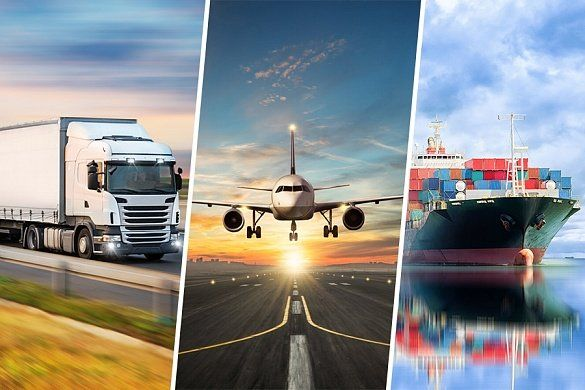
Furthermore, rail freight often offers a better balance between cost and speed than air freight.
Transportation Comparison
| Mode | Transit Stability | Cost Level |
|---|---|---|
| Air Freight | High | Highest |
| Rail Freight | High | Medium |
| Road Freight | Medium | Medium |
| Ocean Freight | Medium | Lowest |
As a result, rail freight has become an increasingly attractive option for Asian importers.
How Can Businesses Build a Stable Rail Freight Solution for Asia Importers?
Developing a reliable transportation strategy requires careful planning.
Select Experienced Rail Logistics Providers
First, choose providers with strong regional rail expertise and customs experience.
Moreover, experienced partners can anticipate operational challenges before they become major disruptions.
Plan Capacity in Advance
Rail capacity may tighten during peak seasons.
Therefore, early booking improves both service availability and pricing stability.
Diversify Transportation Routes
Furthermore, businesses should avoid relying on a single corridor whenever possible.
Alternative routes can help maintain continuity during unexpected disruptions.
Best Practices for Stability
| Strategy | Advantage |
|---|---|
| Early Capacity Booking | Reduced Capacity Risk |
| Multiple Routing Options | Greater Flexibility |
| Customs Pre-Review | Faster Clearance |
| Cargo Tracking | Better Visibility |
Consequently, importers can strengthen supply chain resilience.
How Does a Stable Rail Freight Solution for Asia Importers Reduce Risks?
Every international shipment involves operational risks.
Customs Compliance Support
Proper documentation reduces the likelihood of inspections and clearance delays.
Consistent Transportation Schedules
Moreover, scheduled rail departures help businesses forecast arrival dates more accurately.
Enhanced Cargo Visibility
Real-time tracking enables importers to monitor shipment progress throughout transit.
Risk Management Overview
| Risk | Mitigation Method |
|---|---|
| Customs Delays | Documentation Review |
| Capacity Shortages | Early Booking |
| Transit Disruptions | Alternative Routes |
| Cargo Visibility Issues | Tracking Systems |
Therefore, businesses can respond more effectively to potential supply chain challenges.
Real Cases of Stable Rail Freight Solutions for Asia Importers
🚆 Project Card 1: Electronics Distribution Network
Regional Inventory Replenishment Program
📍 Route: Chongqing, China → Kuala Lumpur, Malaysia
📦 Cargo: Consumer Electronics
⏱️ Transit Time: 11 Days
💰 Cost: Approximately 45% Lower Than Air Freight
🚄 Mode: Rail Freight + Truck Delivery
🛃 Customs Clearance Details:
Advance customs documentation review reduced border processing time.
✅ Outcome:
The importer maintained stable inventory levels across multiple distribution centers.
Overview:
An electronics distributor required consistent inventory replenishment. Therefore, rail freight improved forecasting accuracy while reducing transportation costs.
🚆 Project Card 2: Industrial Equipment Supply Chain
Manufacturing Expansion Support
📍 Route: Xi’an, China → Tashkent, Uzbekistan
📦 Cargo: Industrial Machinery Components
⏱️ Transit Time: 12 Days
💰 Cost: Lower Total Logistics Cost Than Air Shipping
🚄 Mode: Rail Freight + Regional Trucking
🛃 Customs Clearance Details:
Equipment classification and customs documentation were prepared before shipment departure.
✅ Outcome:
The manufacturer completed production expansion without equipment shortages.
Overview:
A factory needed predictable transportation for critical machinery. Consequently, rail logistics delivered both stability and cost efficiency.
🚆 Project Card 3: Construction Material Distribution
Infrastructure Development Supply Program
📍 Route: Chengdu, China → Vientiane, Laos
📦 Cargo: Construction Materials
⏱️ Transit Time: 8 Days
💰 Cost: Reduced Logistics Expenses Compared With Dedicated Trucking
🚄 Mode: Rail Freight + Final-Mile Delivery
🛃 Customs Clearance Details:
Pre-approved customs documentation accelerated cargo clearance.
✅ Outcome:
The contractor maintained project schedules and reduced transportation costs.
Overview:
A construction supplier required dependable logistics for ongoing infrastructure projects. Therefore, rail freight became the preferred transportation solution.
Rail Freight Costs and Transit Information for Asia Importers
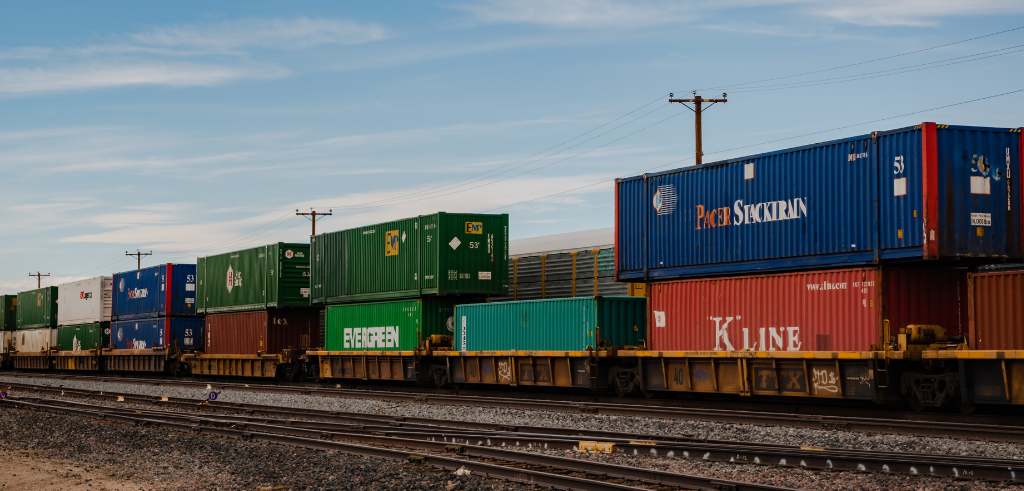
Rail freight pricing varies depending on cargo type, route, and service requirements.
Typical Transit Times
| Route Region | Transit Time |
|---|---|
| China → Southeast Asia | 5–12 Days |
| China → Central Asia | 7–15 Days |
| China → East Asia | 4–10 Days |
Main Pricing Factors
| Factor | Impact |
|---|---|
| Cargo Weight | High |
| Cargo Volume | High |
| Origin Location | Medium |
| Customs Services | Medium |
| Final Delivery Distance | Medium |
When Is Rail Freight the Best Choice?
Rail freight is often ideal when:
- Air freight exceeds budget targets
- Delivery speed matters
- Cargo volume is medium or large
- Supply chain stability is a priority
Consequently, many Asia importers view rail freight as a long-term logistics strategy rather than a temporary alternative.
Conclusion
A stable rail freight solution for Asia importers helps businesses achieve greater transportation reliability, predictable transit times, and improved supply chain performance. Moreover, rail freight offers an effective balance between cost efficiency and delivery speed, making it suitable for a wide range of industries.
By partnering with experienced logistics providers, planning capacity early, and implementing strong customs compliance procedures, importers can reduce operational risks while improving inventory management. Therefore, rail freight continues to play a vital role in supporting Asia’s growing cross-border trade network.
If your business is seeking a dependable logistics strategy for regional imports, our specialists can design a customized rail freight solution based on your cargo profile, destination markets, and delivery requirements.
FAQs
Q1.How can rail freight improve supply chain resilience?
Rail freight provides scheduled departures, predictable transit times, and diversified transportation corridors, helping businesses reduce dependence on a single logistics mode.
Q2.Is rail freight suitable for seasonal inventory planning?
Yes. Many importers use rail freight to replenish inventory before peak demand periods because of its balance between speed and transportation cost.
Q3.Can rail freight support multi-country distribution in Asia?
Absolutely. Rail freight can connect with trucking and warehousing networks, allowing efficient distribution across multiple Asian markets.
Q4.What is the biggest mistake importers make when planning rail shipments?
Many businesses wait too long to secure transportation capacity, especially during peak seasons, which can result in delays and higher freight costs.
Q5.Should importers use cargo insurance for rail transportation?
Cargo insurance is highly recommended for high-value, fragile, or project cargo shipments to reduce financial exposure during transit.