

- By Jaxin
- July 20, 2026
- Amazon FBA
Introduction
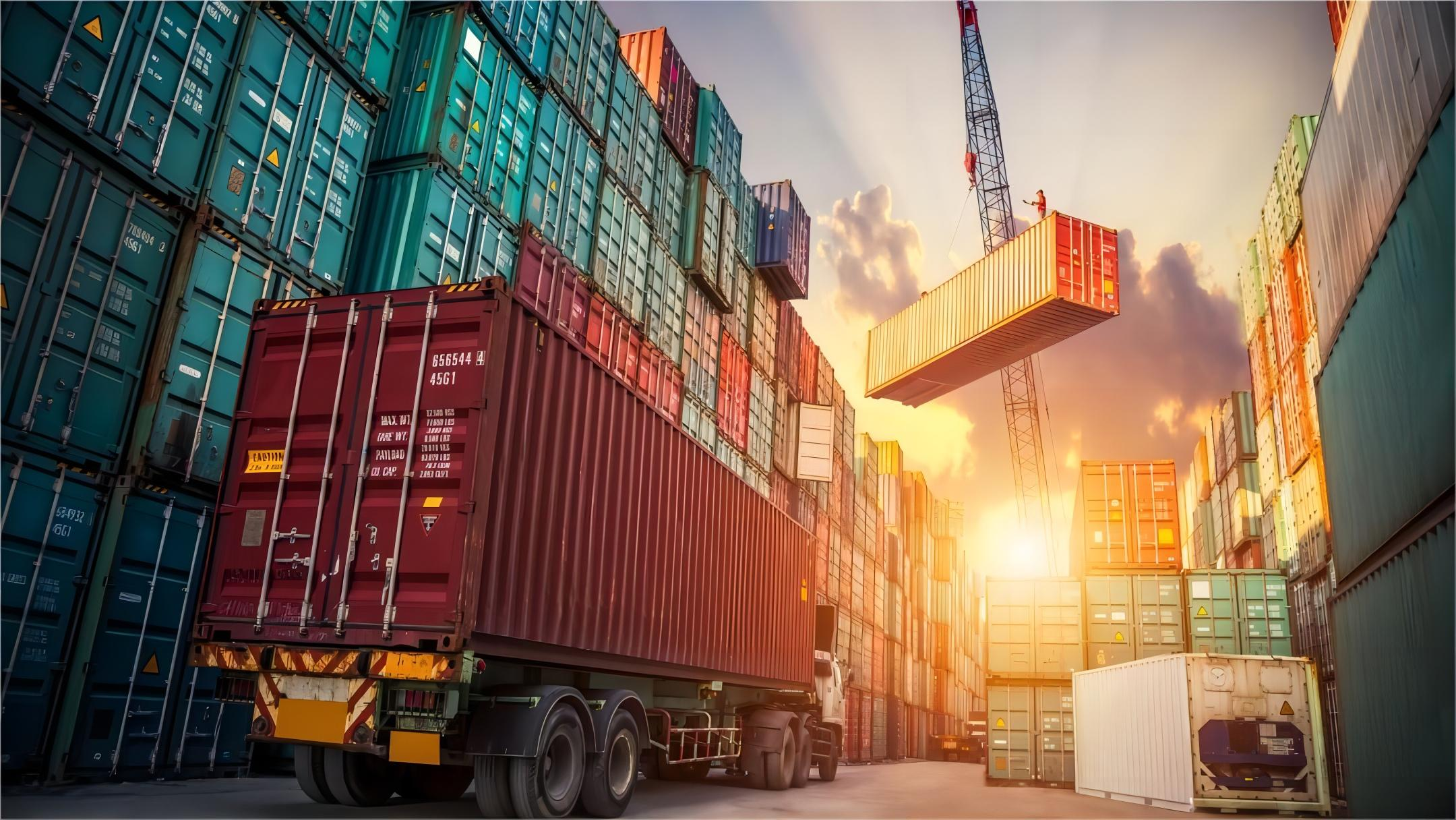
Final mile trucking service after customs cleared rail cargo has become an essential solution for companies that need reliable delivery after international rail shipments complete customs procedures. Although rail freight efficiently transports cargo across long distances, shipments still require reliable transportation from the rail terminal to warehouses, factories, or distribution centers after customs approval.
However, many importers underestimate the importance of the final delivery stage. Delays in truck scheduling, terminal congestion, or poor coordination between customs clearance and trucking arrangements can create additional storage costs and disrupt inventory planning.
Therefore, professional final mile trucking solutions help businesses move cleared rail cargo quickly and efficiently. Moreover, combining rail transportation with well-planned trucking services creates a complete door-to-door logistics solution.
This article explains what final mile trucking means after customs clearance, why it matters, how companies can optimize the process, and how different industries benefit from this transportation model.

What Is Final Mile Trucking Service After Customs Cleared Rail Cargo?
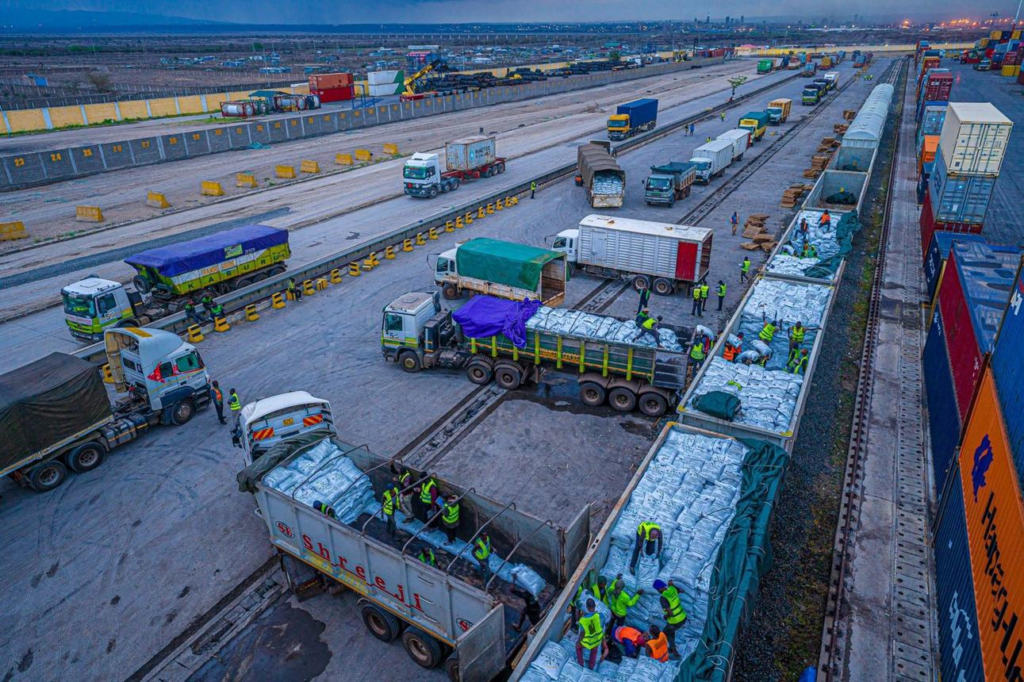
Final mile trucking service after customs cleared rail cargo refers to the last transportation stage after international rail shipments complete customs procedures and are released from the rail terminal.
Furthermore, final mile trucking service after customs cleared rail cargo connects international rail terminals with warehouses, factories, and distribution centers after customs approval.
Typical Transportation Process
| Stage | Transportation Mode | Purpose |
|---|---|---|
| Supplier Pickup | Truck | Collect Cargo |
| International Movement | Rail Freight | Cross-Border Transportation |
| Customs Clearance | Customs Process | Legal Import Approval |
| Final Delivery | Trucking Service | Warehouse or Factory Delivery |
Furthermore, final mile trucking requires accurate coordination because cargo cannot leave the terminal until customs clearance is completed.
Common Delivery Destinations
| Destination Type | Example |
|---|---|
| Manufacturing Facility | Automotive Plant |
| Distribution Center | Regional Warehouse |
| Retail Warehouse | Consumer Goods Storage |
| Construction Site | Project Location |
| Amazon Warehouse | E-commerce Inventory |
Consequently, final mile trucking is an essential part of international multimodal logistics.
Why Is Final Mile Trucking Service After Customs Cleared Rail Cargo Important?
Many businesses focus heavily on international transportation but overlook the final delivery stage. However, this stage directly affects customer satisfaction and supply chain efficiency.
Preventing Terminal Storage Costs
After customs clearance, cargo usually needs to leave the terminal quickly.
Moreover, limited terminal space can create additional storage fees if trucks are unavailable.
Supporting Warehouse Scheduling
Modern warehouses often require appointment-based deliveries.
Therefore, coordinated trucking services help ensure cargo arrives within the required receiving window.
Reducing Cargo Handling Risks
Every additional cargo transfer increases potential damage risks.
Consequently, direct trucking from rail terminals to final destinations helps protect valuable shipments.
Key Benefits
| Benefit | Business Impact |
|---|---|
| Faster Cargo Pickup | Reduced Waiting Time |
| Direct Transportation | Lower Handling Risk |
| Scheduled Delivery | Better Warehouse Coordination |
| Dedicated Capacity | Improved Reliability |
As a result, final mile trucking improves the overall performance of rail freight operations.
How Can Businesses Optimize Final Mile Trucking After Customs Clearance?
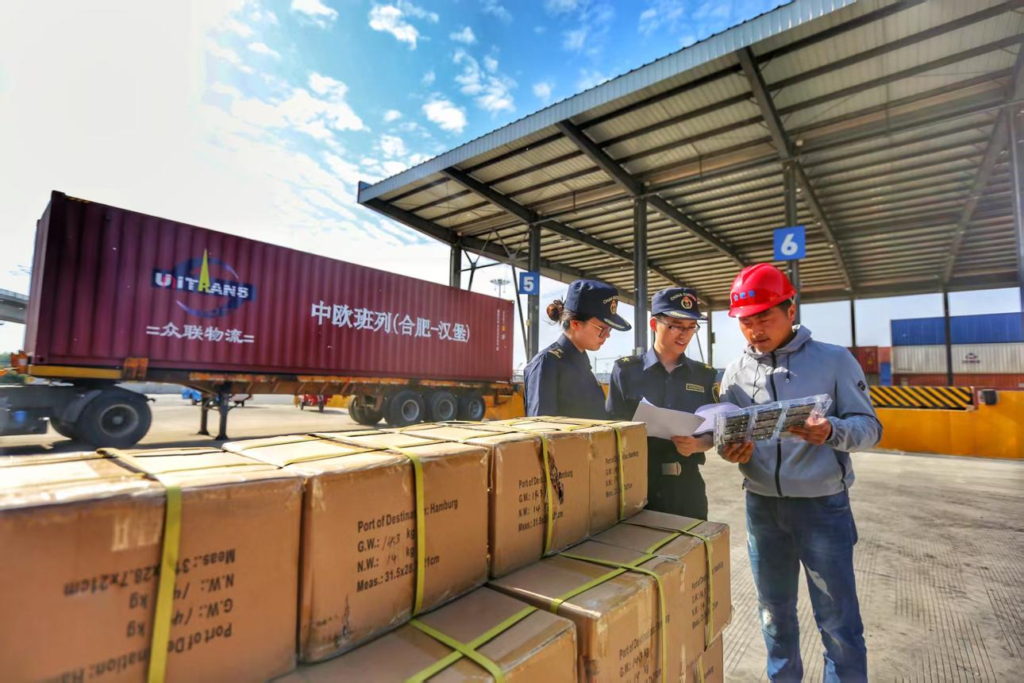
Effective final delivery requires planning before cargo arrives at the destination terminal.
Prepare Trucking Arrangements Early
First, businesses should confirm trucking availability before rail arrival.
This approach is especially important during peak seasons when vehicle capacity becomes limited.
Coordinate Customs and Truck Dispatch
Meanwhile, customs clearance progress should be monitored closely.
Once cargo is released, trucking providers can immediately arrange pickup.
Select Suitable Truck Equipment
Different cargo types require different transportation solutions.
| Cargo Type | Recommended Truck |
|---|---|
| Standard Cargo | Curtain-Side Trailer |
| Electronics | Secure Box Truck |
| Heavy Machinery | Heavy-Duty Truck |
| Oversized Cargo | Special Transport Vehicle |
| Temperature-Sensitive Goods | Refrigerated Truck |
Furthermore, selecting the correct equipment reduces delivery risks.
Use Shipment Tracking Systems
Additionally, real-time tracking allows importers to monitor cargo movement after terminal departure.
Therefore, businesses can improve communication between logistics providers, warehouses, and customers.
What Challenges Can Final Mile Trucking Solve After Rail Cargo Clearance?
Even after customs clearance, several operational problems can affect shipment delivery.
-
01
Challenge 1: Limited Truck Availability
During peak periods, trucking capacity may become difficult to secure. However, pre-arranged transportation plans can prevent unexpected delays.
-
02
Challenge 2: Long Distance Between Rail Terminal and Destination
Many rail terminals are located outside major industrial areas. Therefore, professional trucking networks are required to complete regional or cross-border delivery.
-
03
Challenge 3: Strict Delivery Requirements
Some industries require fixed delivery times, unloading arrangements, or special equipment. Moreover, final mile trucking providers can coordinate these requirements in advance.
-
04
Challenge 4: Multiple Delivery Locations
Retailers and distributors often require shipments to reach several locations. Consequently, optimized trucking routes can reduce delivery costs while maintaining schedule reliability.
Real Final Mile Trucking Cases After Customs Cleared Rail Cargo
🚆 Project Card 1: Semiconductor Equipment Delivery to South Korea
📍 Route: Chongqing, China → Busan Rail Terminal → Suwon, South Korea
📦 Cargo: Semiconductor Manufacturing Equipment
⏱️ Transit Time: 14 Days Rail + 1 Day Final Mile Trucking
💰 Cost: 32% Lower Than Air Freight Alternative
🚄 Mode: International Rail Freight + Specialized Delivery Truck
🛃 Customs Clearance Details:
The shipment required equipment classification review, import documentation verification, and coordinated customs release before terminal pickup.
✅ Outcome:
Equipment arrived according to the factory installation schedule.
Overview:
A semiconductor manufacturer required precise delivery timing for production equipment. However, air transportation costs were too high for the project budget. Therefore, rail freight was selected for the international segment, while specialized final mile trucking completed delivery after customs clearance.
🚆 Project Card 2: Wine Storage Equipment Delivery to France
📍 Route: Chengdu, China → Lyon Rail Terminal → Bordeaux, France
📦 Cargo: Commercial Wine Storage Systems
⏱️ Transit Time: 21 Days Rail + 2 Days Trucking
💰 Cost: Approximately 25% Savings Compared With Express Transport
🚄 Mode: Rail Freight + Dedicated Regional Truck
🛃 Customs Clearance Details:
The logistics team completed HS code verification, commercial document review, and import declaration preparation before cargo release.
✅ Outcome:
Equipment was delivered to the warehouse without additional terminal charges.
Overview:
A French distributor imported specialized storage equipment for a warehouse expansion project. Moreover, the delivery schedule needed coordination with installation teams. Consequently, dedicated trucking after customs clearance ensured smooth cargo movement from the rail terminal.
🚆 Project Card 3: Mining Spare Parts Delivery to Kazakhstan
📍 Route: Xi’an, China → Almaty Rail Terminal → Karaganda Mining Area
📦 Cargo: Mining Machinery Spare Parts
⏱️ Transit Time: 16 Days Rail + 3 Days Trucking
💰 Cost: 28% Lower Than Emergency Air Shipment
🚄 Mode: Rail Freight + Long-Distance Truck Delivery
🛃 Customs Clearance Details:
The shipment required import documentation checks, customs declaration support, and coordination with local transportation authorities.
✅ Outcome:
Critical spare parts arrived before equipment maintenance deadlines.
Overview:
A mining company needed urgent replacement parts to avoid production interruption. However, emergency air freight costs were extremely high. Therefore, rail transportation combined with final mile trucking provided a more economical solution while meeting the required delivery schedule.
Final Mile Trucking Service Cost Information After Rail Cargo Clearance
The cost of final mile trucking service after customs cleared rail cargo depends on several factors, including delivery distance, cargo characteristics, truck type, and local transportation conditions.
Although final delivery usually represents a smaller part of the total transportation journey, it can significantly affect overall logistics performance. Therefore, businesses should evaluate both price and reliability when selecting a trucking solution.
Typical Final Mile Delivery Time by Region
| Destination Region | Rail Terminal Example | Final Mile Trucking Time |
|---|---|---|
| Germany | Duisburg / Hamburg | 1–2 Days |
| France | Lyon / Paris | 1–3 Days |
| Italy | Milan / Verona | 1–3 Days |
| Poland | Warsaw / Lodz | Same Day–2 Days |
| Kazakhstan | Almaty | 2–4 Days |
Moreover, the price of final mile trucking service after customs cleared rail cargo depends on delivery distance, truck availability, cargo type, and local transportation conditions.
Main Factors Affecting Trucking Costs
| Cost Factor | Impact on Price |
|---|---|
| Delivery Distance | Longer routes increase fuel and labor costs |
| Cargo Weight | Heavy cargo requires specialized vehicles |
| Cargo Dimensions | Oversized shipments require special equipment |
| Truck Type | Dedicated vehicles cost more than shared transport |
| Delivery Urgency | Express delivery may require premium charges |
| Peak Season Demand | Limited capacity increases rates |
Furthermore, businesses can often reduce costs by booking trucks in advance and coordinating customs clearance with delivery schedules.
Conclusion
Final mile trucking service after customs cleared rail cargo is a vital component of successful international rail transportation. While rail freight provides efficient cross-border movement, trucking services complete the final connection between rail terminals and business locations.
Moreover, effective final mile planning helps companies reduce terminal storage costs, improve delivery reliability, and maintain better inventory control. Therefore, businesses should arrange trucking capacity before cargo arrival and coordinate closely with customs clearance procedures.
By combining international rail freight with professional final delivery solutions, companies can achieve a smoother, faster, and more predictable supply chain.
🚛 Ready to Improve Your Rail-to-Door Logistics Performance?
Whether you need dedicated truck delivery, customs clearance support, final-mile transportation, or multimodal logistics solutions, our experienced team is ready to help.
✅ Dedicated Truck Capacity
✅ Reliable Rail Freight Services
✅ Door-to-Door Solutions
✅ Professional Logistics Support
FAQs
1. How soon can cargo be delivered after customs clearance?
Delivery timing depends on truck availability, terminal location, and destination distance. In most cases, cargo can be delivered within 1–3 days after customs release.
2. Is dedicated trucking necessary after rail cargo clearance?
Not always. However, dedicated trucking is recommended for urgent shipments, high-value products, and cargo requiring strict delivery schedules.
3. Can final mile trucking handle oversized or heavy cargo?
Yes. Specialized vehicles such as low-bed trailers and heavy-duty trucks can transport oversized equipment after customs clearance.
4. What documents are needed before final delivery?
Typically, businesses need customs release documents, commercial invoices, packing lists, transport documents, and delivery instructions.
5. How can companies reduce final mile trucking costs?
Companies can reduce costs by planning routes early, selecting suitable truck types, combining deliveries when possible, and avoiding terminal storage delays.