

- By Jaxin
- July 20, 2026
- Amazon FBA
Introduction
How to avoid rail freight delays during peak season has become a critical concern for global importers and exporters. During high-demand periods, limited rail capacity, terminal congestion, customs pressure, and equipment shortages can create unexpected shipment delays.
However, peak season disruptions do not always happen without warning. With early planning, accurate forecasting, and professional transportation coordination, businesses can significantly reduce delay risks.
Moreover, rail freight offers stable transit performance compared with many other transportation methods. Therefore, companies that prepare capacity, documentation, and delivery plans in advance can maintain smoother supply chain operations even during busy periods.
This article explains the main causes of peak season rail delays, why they happen, and practical methods businesses can use to improve shipment reliability.

What Causes Rail Freight Delays During Peak Season?
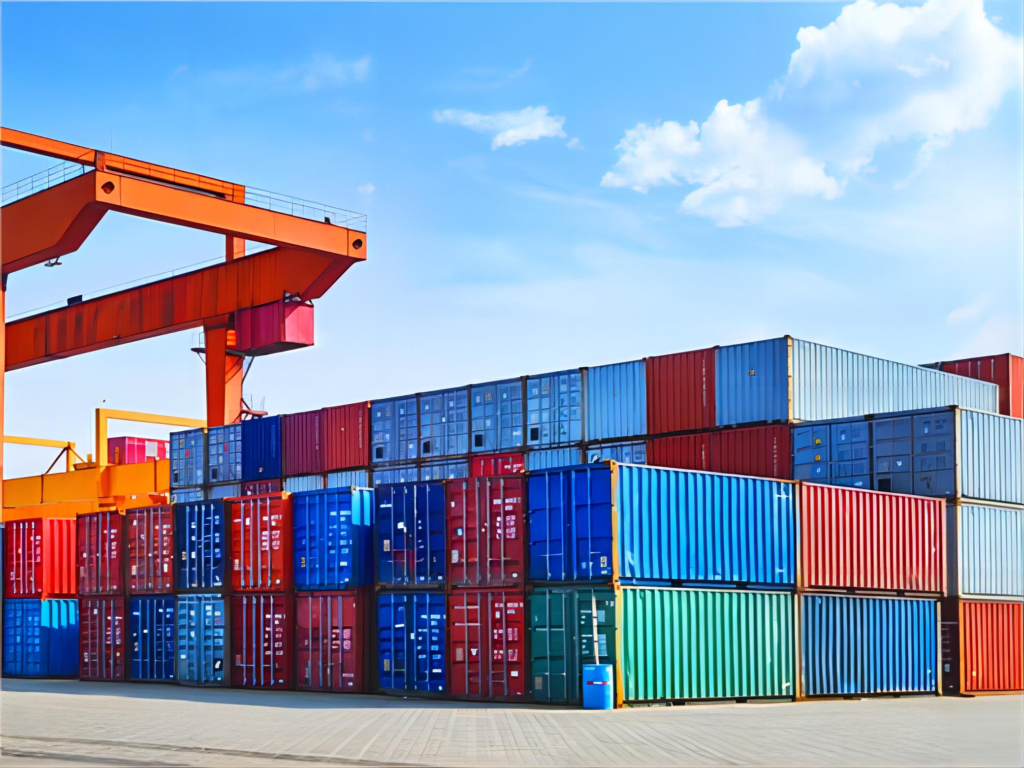
Understanding the causes of delays is the first step in improving transportation reliability.
Peak seasons often create pressure across the entire logistics network, from origin factories to destination terminals.
Common Causes of Rail Freight Delays
| Delay Factor | Impact on Shipment |
|---|---|
| Limited Rail Capacity | Longer Booking Waiting Time |
| Terminal Congestion | Slow Cargo Handling |
| Container Shortages | Delayed Departure |
| Customs Delays | Cargo Release Problems |
| Weather Disruptions | Route Interruptions |
| Poor Planning | Missed Delivery Windows |
Furthermore, peak season demand often increases faster than available transportation resources. Consequently, companies that book shipments too late may face limited route options or higher freight costs.
Typical Peak Seasons
| Industry | Peak Shipping Period |
|---|---|
| Retail Products | Q3–Q4 |
| Electronics | Before Holiday Sales |
| Automotive Parts | Production Peaks |
| Consumer Goods | Seasonal Promotions |
| Industrial Equipment | Project Deadlines |
Therefore, businesses need proactive planning instead of waiting until congestion appears.
Why Should Companies Learn How to Avoid Rail Freight Delays During Peak Season?
Many companies focus mainly on freight rates. However, during peak periods, reliability often becomes more important than saving a small amount on transportation costs.
Protect Inventory Availability
Delayed rail shipments can affect warehouse stock levels and customer orders.
Moreover, businesses with strict inventory schedules may face production interruptions if materials arrive late.
Reduce Additional Logistics Costs
Unexpected delays may create:
- Terminal storage fees
- Truck waiting charges
- Warehouse scheduling problems
- Emergency transportation expenses
Therefore, preventing delays can significantly reduce hidden supply chain costs.
Maintain Customer Satisfaction
Furthermore, businesses selling seasonal products cannot afford late deliveries.
For example, missing a holiday sales window may result in lost revenue and excess inventory.
Peak Season Risk Comparison
| Risk | Potential Impact |
|---|---|
| Late Rail Booking | Limited Capacity |
| Missing Documents | Customs Delay |
| No Backup Plan | Longer Recovery Time |
| Poor Forecasting | Inventory Shortage |
Consequently, companies that prepare early gain a competitive advantage during peak shipping periods.
How Can Businesses Avoid Rail Freight Delays During Peak Season?
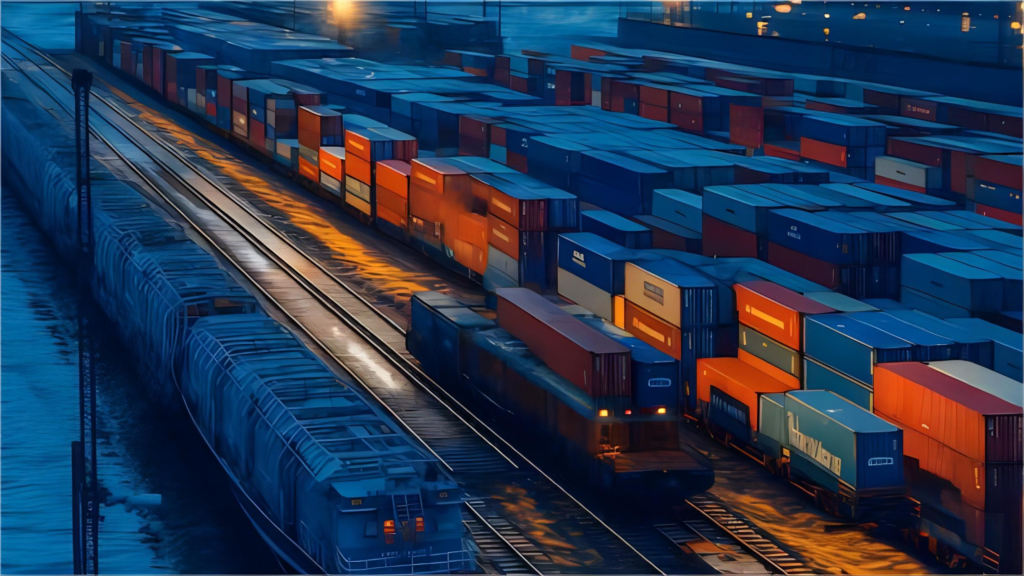
Effective preparation requires coordination between suppliers, logistics providers, rail operators, and customers.
Reserve Rail Capacity Early
First, companies should forecast shipping demand before peak season begins.
Moreover, early booking allows businesses to secure preferred routes and avoid last-minute capacity problems.
Prepare Customs Documents in Advance
Meanwhile, documentation should be reviewed before cargo departure.
Common preparation includes:
| Document | Purpose |
|---|---|
| Commercial Invoice | Verify Shipment Value |
| Packing List | Confirm Cargo Details |
| Bill of Lading | Transportation Proof |
| HS Code | Customs Classification |
| Import Documents | Clearance Support |
Therefore, accurate documentation reduces the risk of customs-related delays.
Choose Alternative Transportation Options
Additionally, companies should prepare backup solutions.
For example:
- Alternative rail routes
- Different departure terminals
- Combined rail and trucking solutions
- Temporary warehouse storage
Consequently, businesses can respond faster when unexpected disruptions occur.
Improve Shipment Visibility
Furthermore, real-time tracking helps companies identify risks earlier.
As a result, logistics teams can adjust delivery plans before delays become serious problems.
What Solutions Can Reduce Peak Season Rail Freight Delays?
Even with careful planning, unexpected issues may still occur. Therefore, companies need practical recovery strategies.
Use Multimodal Transportation
Combining rail freight with trucking services provides additional flexibility.
For example, if a rail terminal experiences congestion, alternative delivery arrangements may reduce waiting time.
Work With Experienced Logistics Providers
Professional freight providers usually have better access to:
- Rail capacity information
- Terminal operations
- Customs procedures
- Local trucking resources
Moreover, experienced providers can recommend alternative routes before problems occur.
Build Safety Time Into Delivery Plans
Additionally, companies should avoid planning deliveries based on minimum transit estimates.
| Planning Method | Result |
|---|---|
| Minimum Transit Planning | Higher Delay Risk |
| Buffer Time Planning | Better Reliability |
| Emergency Backup Planning | Faster Recovery |
Therefore, realistic scheduling is essential during peak shipping periods.
Real Cases of Avoiding Rail Freight Delays During Peak Season
🚆 Project Card 1: Electronics Inventory Preparation Before Holiday Sales
📍 Route: Shenzhen, China → Duisburg, Germany → Amsterdam, Netherlands
📦 Cargo: Consumer Electronics Inventory
⏱️ Transit Time: 17 Days Rail + 2 Days Truck Delivery
💰 Cost Saving: 22% Lower Than Emergency Air Freight
🚄 Mode: China-Europe Railway + Regional Trucking
🛃 Customs Solution:
Shipment documents were reviewed before departure, including HS code verification and import documentation preparation.
✅ Outcome:
Inventory arrived before the European holiday sales period.
Overview:
An electronics distributor needed additional inventory before seasonal demand increased. However, peak season rail capacity was becoming limited. Therefore, the company reserved rail space early and prepared customs documents in advance, avoiding potential delays.
🚆 Project Card 2: Automotive Parts Supply During Factory Peak Production
📍 Route: Ningbo, China → Warsaw, Poland → Krakow, Poland
📦 Cargo: Automotive Components
⏱️ Transit Time: 19 Days Rail + 1 Day Truck Delivery
💰 Cost Saving: Reduced Emergency Transportation Expenses
🚄 Mode: International Rail Freight + Factory Delivery Truck
🛃 Customs Solution:
The logistics team coordinated customs declaration timing with rail arrival schedules.
✅ Outcome:
Production lines maintained continuous operation.
Overview:
An automotive supplier required stable deliveries during a production peak. However, delayed components could stop manufacturing operations. Consequently, early booking and customs coordination helped maintain predictable delivery schedules.
🚆 Project Card 3: Industrial Equipment Shipment During Year-End Congestion
📍 Route: Wuhan, China → Budapest, Hungary → Zagreb, Croatia
📦 Cargo: Industrial Processing Equipment
⏱️ Transit Time: 21 Days Rail + 2 Days Truck Delivery
💰 Cost Saving: 30% Compared With Air Transport
🚄 Mode: Rail Freight + Heavy-Duty Truck
🛃 Customs Solution:
Cargo documentation was checked before shipment departure to avoid clearance interruptions.
✅ Outcome:
Equipment reached the construction project before installation deadlines.
Overview:
A construction company needed equipment delivery before year-end project milestones. Therefore, the logistics team arranged rail capacity early and prepared alternative trucking options to avoid peak season congestion risks.
Rail Freight Cost Information During Peak Season
The cost of rail freight during peak periods depends on several factors, including route availability, cargo volume, booking time, terminal conditions, and additional logistics requirements.
However, peak season pricing is usually more sensitive than regular periods because transportation capacity becomes limited. Therefore, companies that prepare shipments early can often secure better rates and more reliable schedules.
Typical Rail Freight Transit Time During Peak Season
| Route | Normal Transit Time | Peak Season Transit Time |
|---|---|---|
| China–Germany | 16–22 Days | 18–28 Days |
| China–Poland | 15–21 Days | 17–26 Days |
| China–Hungary | 17–23 Days | 19–28 Days |
| China–Italy | 18–25 Days | 20–30 Days |
| China–Netherlands | 18–26 Days | 21–32 Days |
Moreover, transit delays during peak periods are often caused by capacity shortages and terminal congestion rather than rail transportation itself.
Factors Affecting Peak Season Rail Freight Costs
| Cost Factor | Influence |
|---|---|
| Booking Timing | Earlier Booking Usually Provides More Options |
| Route Selection | Different Corridors Have Different Rates |
| Cargo Volume | Larger Shipments May Require More Capacity Planning |
| Container Availability | Shortages May Increase Costs |
| Terminal Handling | Congestion Can Increase Additional Charges |
| Urgency Level | Faster Solutions Usually Cost More |
Furthermore, businesses can reduce unexpected expenses by combining early booking strategies with accurate demand forecasting.
Conclusion
How to avoid rail freight delays during peak season requires more than simply booking transportation earlier. Businesses need a complete strategy that includes capacity planning, document preparation, route management, and reliable logistics coordination.
Moreover, peak season challenges such as limited rail capacity, terminal congestion, and customs delays can be reduced through proactive preparation. Therefore, companies should secure transportation resources before demand reaches its highest level.
By working with experienced logistics partners, importers and exporters can improve shipment reliability, reduce unexpected costs, and maintain stable supply chain operations during busy periods.
🚛 Ready to improve your peak season rail transportation planning?
FAQs
1. When should companies book rail freight before peak season?
Most businesses should reserve rail capacity several weeks in advance. However, the ideal booking time depends on the route, cargo volume, and seasonal demand.
2. Are rail freight delays common during holiday shipping periods?
Yes. During holidays, increased demand can create capacity shortages and terminal congestion. Therefore, early planning is important for maintaining delivery schedules.
3. Can companies switch transportation methods if rail delays occur?
Yes. Many logistics providers can arrange alternative solutions, including trucking adjustments, different rail routes, or temporary warehouse storage.
4. How can customs issues delay peak season rail shipments?
Incomplete documents, incorrect HS codes, or missing import approvals can prevent cargo release. Therefore, document verification before shipment is essential.
5. Does peak season always mean higher rail freight costs?
Usually, yes. Limited capacity often increases prices. However, early booking and flexible scheduling can help companies control transportation expenses.