

- By Jaxin
- July 13, 2026
- Amazon FBA
Introduction
How to avoid customs inspection delays is one of the most important concerns for importers, exporters, Amazon sellers, and supply chain managers. Customs inspections can increase transit times, generate storage charges, and disrupt inventory planning. Consequently, even a minor compliance issue may lead to unexpected shipping delays and additional logistics costs.
Whether you ship by rail freight, sea freight, or air freight, understanding how to avoid customs inspection delays can significantly improve supply chain reliability. Moreover, proactive customs preparation helps businesses reduce clearance risks, avoid cargo holds, and maintain predictable delivery schedules.
This guide explains the most common customs inspection triggers and provides practical strategies to reduce clearance delays during international transportation.

What Causes Customs Inspection Delays?
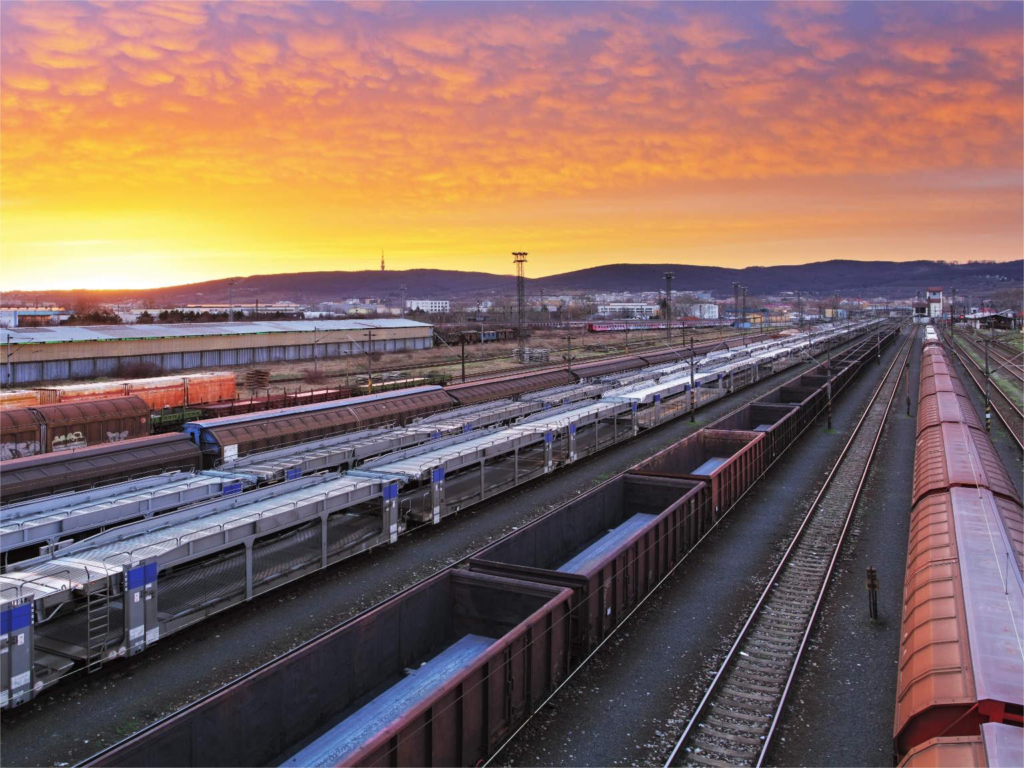
Many importers assume customs inspections occur randomly. However, most inspections are triggered by specific risk indicators or compliance concerns.
Customs agencies must verify cargo information, assess duties, and ensure regulatory compliance. Therefore, any inconsistency may result in additional scrutiny.
Common Customs Inspection Triggers
| Trigger | Reason for Review |
|---|---|
| Documentation discrepancies | Verification required |
| Incorrect HS codes | Classification concerns |
| High-value cargo | Risk assessment |
| New importer records | Compliance review |
| Regulated products | Safety checks |
| Random selection | Monitoring programs |
Furthermore, customs authorities frequently update risk profiles. As a result, shipments that previously cleared smoothly may receive additional attention in the future.
Which Documentation Errors Trigger Customs Inspections?
Documentation issues remain one of the leading causes of customs delays worldwide. In many cases, customs officers identify inconsistencies before cargo even reaches the destination terminal.
Documents Customs Authorities Review Most Often
| Document | Purpose |
| Commercial Invoice | Confirms shipment value |
| Packing List | Verifies cargo details |
| Rail Waybill | Transportation record |
| Certificate of Origin | Confirms manufacturing source |
| Import License | Required for restricted goods |
| Compliance Certificate | Demonstrates regulatory compliance |
Common Documentation Mistakes
- Missing consignee information
- Incorrect cargo descriptions
- Inconsistent quantities
- Undervalued shipments
- Missing product certifications
Ultimately, discrepancies between invoices and packing lists often attract customs attention. Therefore, businesses should establish a document review process before cargo departure.
How Do Incorrect HS Codes Lead to Customs Delays?
HS codes determine product classification, applicable duties, and import regulations. Consequently, incorrect classifications can quickly create customs complications.
Why HS Code Accuracy Matters
| Classification Issue | Potential Consequence |
| Incorrect tariff code | Customs review |
| Duty mismatch | Additional assessment |
| Regulatory conflict | Compliance investigation |
| Missing declarations | Cargo hold |
Moreover, customs authorities increasingly rely on automated systems that compare declared product descriptions with assigned HS codes.
Best Practices for HS Code Compliance
- Verify classifications before shipment.
- Maintain internal classification records.
- Consult customs specialists when needed.
- Review destination-country tariff requirements.
Meanwhile, periodic audits can identify classification errors before they become costly compliance issues.
Why Are Certain Products Selected for Inspection More Often?
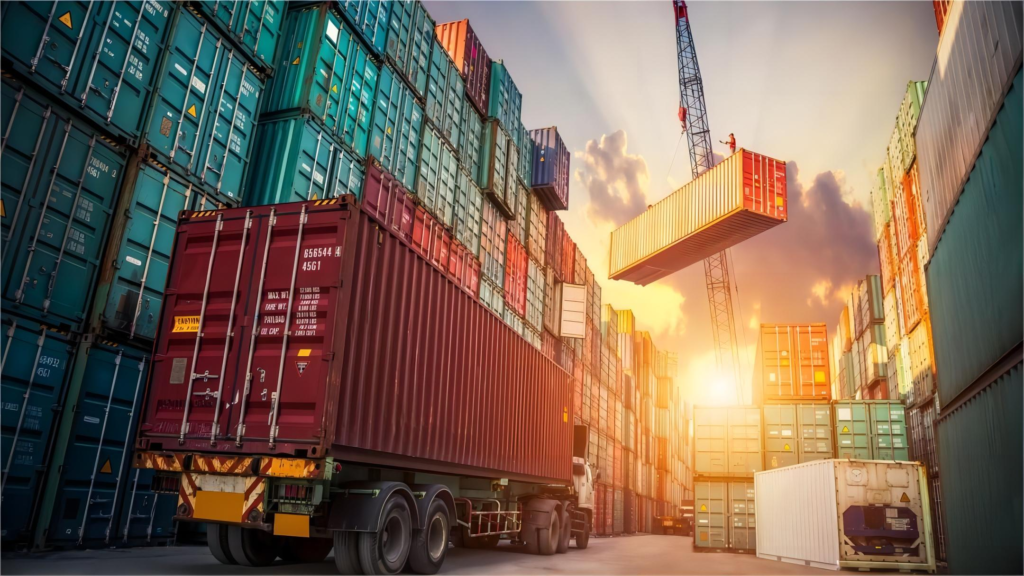
Some products naturally face a higher level of customs scrutiny due to safety, health, environmental, or regulatory requirements.
High-Risk Product Categories
| Product Type | Inspection Frequency |
| Medical Devices | High |
| Food Products | High |
| Cosmetics | High |
| Chemicals | High |
| Children’s Products | High |
| Electronics | Medium-High |
Compliance Measures That Reduce Risk
- Obtain required certifications.
- Verify labeling requirements.
- Prepare testing reports.
- Maintain traceability records.
- Update product specifications regularly.
Therefore, customs officers often prioritize shipments involving regulated products. Nevertheless, complete compliance documentation can significantly accelerate the review process.
Can Better Supplier Management Reduce Customs Risks?
Many customs problems originate long before cargo reaches a border crossing. In fact, inaccurate information provided by suppliers is a frequent cause of customs delays.
Supplier Compliance Checklist
| Verification Item | Importance |
| Product specifications | High |
| HS code confirmation | High |
| Invoice accuracy | High |
| Certification validity | High |
| Packaging compliance | Medium |
In addition, importers should require suppliers to update product information whenever manufacturing specifications change.
How Strong Supplier Communication Helps
Regular communication improves documentation accuracy and reduces compliance risks. Moreover, suppliers who understand destination-country regulations are more likely to provide complete paperwork.
Consequently, effective supplier management strengthens the entire customs clearance process.
Case Study: Successful Strategies to Avoid Customs Inspection Delays
How to Avoid Customs Inspection Delays for Consumer Electronics
| Item | Details |
| Origin | Ningbo, China → Rotterdam, Netherlands |
| Cargo | Smart Home Electronics |
| Transit Time | 24 Days |
| Transportation Method | Rail Freight |
| Customs Clearance Details | HS Code Verification and CE Compliance Documents |
| Brief Overview | The importer reviewed all classification data before shipment. As a result, cargo cleared customs without additional inspection requests. |
How to Avoid Customs Inspection Delays for Automotive Components
| Item | Details |
| Origin | Tianjin, China → Budapest, Hungary |
| Cargo | Automotive Sensors |
| Transit Time | 21 Days |
| Transportation Method | Rail + Truck Delivery |
| Customs Clearance Details | EORI Registration and Commercial Invoice Validation |
| Brief Overview | Consistent documentation across all shipping records helped customs complete clearance efficiently and avoid secondary review. |
How to Avoid Customs Inspection Delays for E-commerce Inventory
| Item | Details |
| Origin | Xiamen, China → Madrid, Spain |
| Cargo | Consumer Accessories |
| Transit Time | 20 Days |
| Transportation Method | DDP Rail Service |
| Customs Clearance Details | Product Value Verification and Import Documentation Review |
| Brief Overview | The seller prepared complete compliance documentation before departure, reducing customs processing time during peak season. |
What Should You Do If Customs Requests Additional Information?
Even well-prepared shipments may occasionally receive customs inquiries. However, a fast and organized response can minimize disruption.
Recommended Response Steps
| Action | Benefit |
| Respond immediately | Reduces processing time |
| Provide complete documentation | Prevents repeat requests |
| Verify all submitted data | Avoids inconsistencies |
| Coordinate with customs brokers | Improves communication |
| Maintain shipment records | Supports compliance reviews |
Moreover, importers should keep digital copies of all shipping documents readily available.
Consequently, customs authorities can review requested information more efficiently.
How to Avoid Customs Inspection Delays in Future Shipments
Long-term customs success depends on preparation, compliance, and continuous process improvement.
Strategies for Reducing Future Customs Delays
| Strategy | Expected Benefit |
| Document audits | Fewer paperwork errors |
| HS code reviews | Better classification accuracy |
| Supplier compliance programs | Improved shipment quality |
| Customs broker support | Faster issue resolution |
| Regulatory monitoring | Better compliance readiness |
Additionally, businesses should periodically review customs procedures and update internal compliance policies.
Why Professional Customs Support Matters
Experienced customs brokers and freight forwarders can identify potential issues before cargo departs. Furthermore, they stay informed about changing regulations and customs requirements.
As a result, businesses gain greater visibility, stronger compliance, and more predictable transit times.
Conclusion
Understanding how to avoid customs inspection delays is essential for maintaining reliable transit times and controlling logistics costs. Accurate documentation, correct HS code classification, detailed cargo declarations, supplier compliance management, and professional customs support all contribute to smoother customs clearance.
Furthermore, proactive preparation is usually far less expensive than resolving customs issues after cargo arrives. Nevertheless, businesses that invest in compliance processes are more likely to achieve predictable delivery schedules and stronger supply chain performance.
Need help with how to avoid customs inspection delays for your rail freight shipments? Contact our team today for customs clearance guidance, document review support, and tailored international logistics solutions.
FAQs
1. What is the most common cause of customs inspection delays?
Documentation inconsistencies, incorrect HS codes, and inaccurate cargo descriptions are among the most common reasons customs authorities initiate additional inspections.
2. Can accurate HS codes reduce customs inspection risks?
Yes. Correct HS code classification helps customs process shipments more efficiently and reduces the likelihood of compliance-related inspections.
3. How long does a customs inspection usually take?
Inspection times vary by country and shipment type. Document reviews may take hours, while physical examinations can extend clearance by several days.
4. Are customs inspections always random?
No. Although some inspections are random, many are triggered by risk assessment systems, documentation errors, or regulatory compliance concerns.
5. What products are most likely to face customs inspections?
Medical devices, food products, cosmetics, chemicals, electronics, and children’s products typically experience higher inspection rates.