


DDP Shipping China Customs Broker USA Europe: 2026 Logistics Guide
Navigating international trade requires a deep understanding of complex regulations and tax structures. As of 2026, utilizing DSV-Freight ensures your cargo moves efficiently across borders without unexpected delays or hidden fees. This guide explores how ddp shipping china customs broker usa europe services streamline your global supply chain by handling every detail from factory to final destination. Consequently, businesses can focus on growth while logistics experts manage the intricate paperwork and compliance hurdles inherent in modern shipping.
What is DDP Shipping China Customs Broker USA Europe and How It Works?
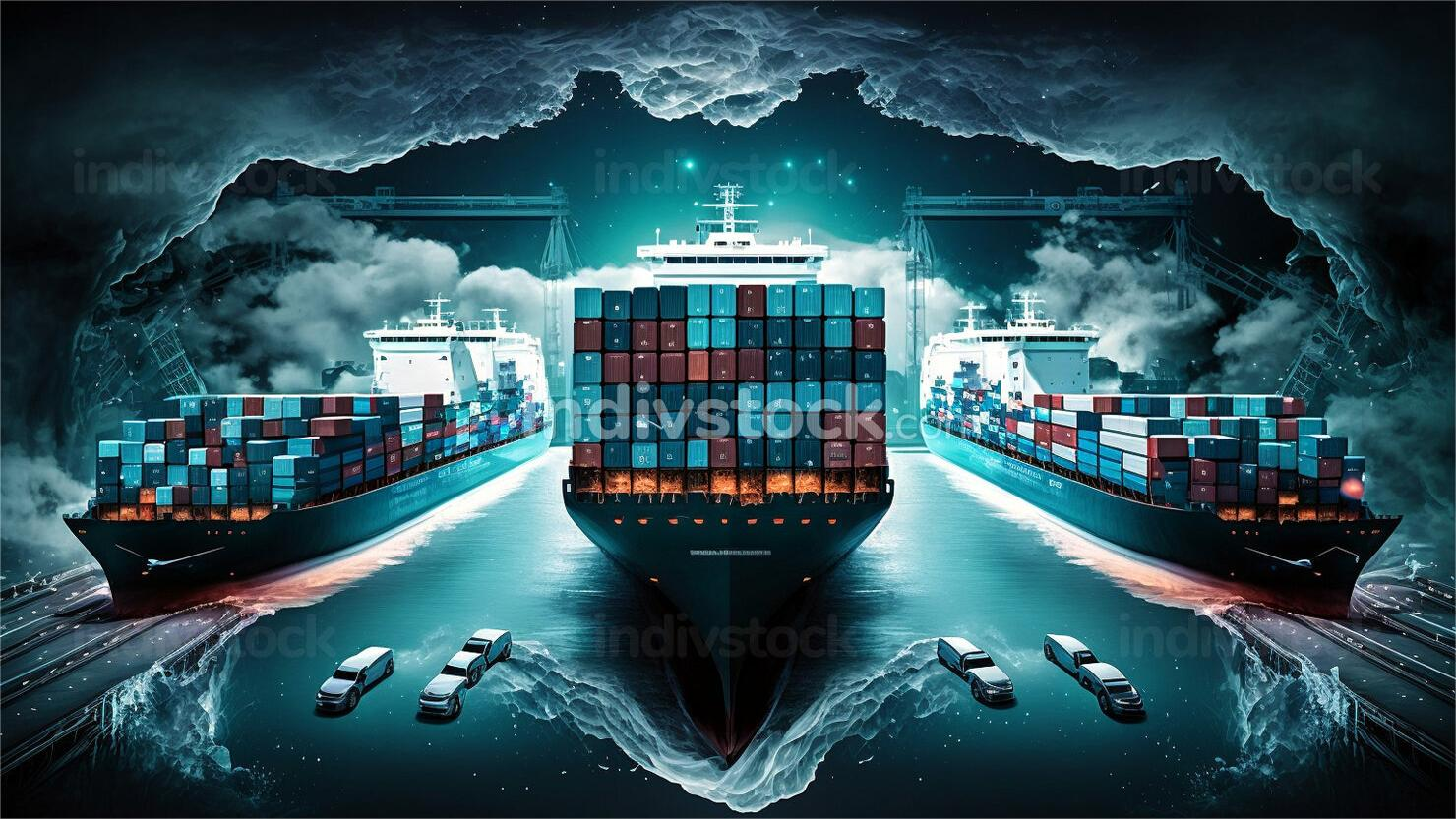
Delivered Duty Paid (DDP) is an incoterm where the seller assumes all responsibility, risks, and costs associated with transporting goods. This includes everything from the initial pickup in China to the final delivery in the USA or Europe. Furthermore, the seller must handle all export and import formalities, including the payment of duties and taxes.
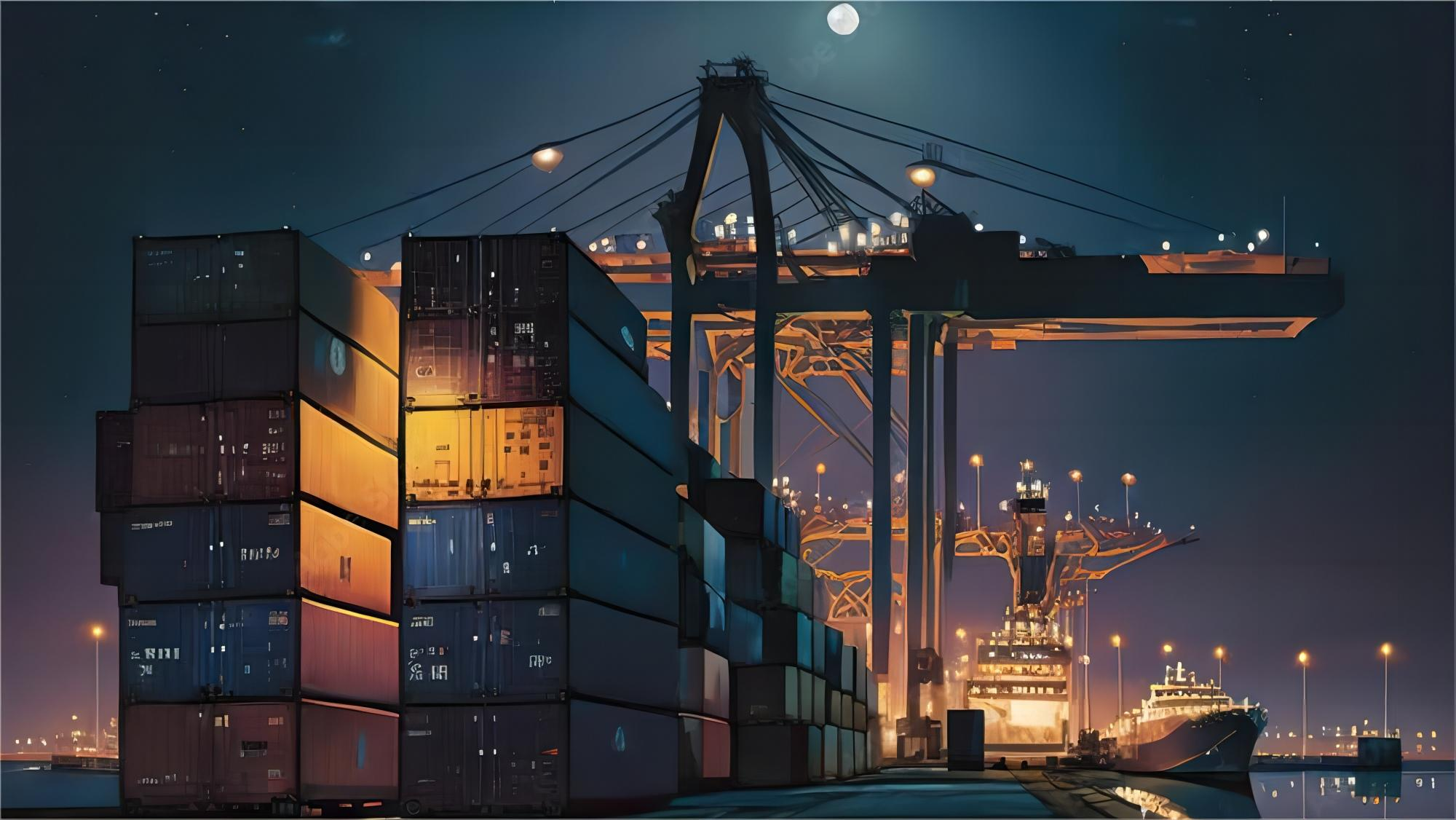
Choosing a professional customs broker is essential for navigating the specific requirements of the US Customs and Border Protection (CBP) or various European customs authorities. These experts ensure that your ddp shipping china customs broker usa europe strategy complies with the latest 2026 trade regulations. Meanwhile, they mitigate the risk of cargo seizures or heavy fines due to misclassification.
Importers often prefer this method because it provides a clear, upfront landed cost. You do not have to worry about surprise invoices for VAT or import duties upon arrival. Instead, the freight forwarder provides an all-inclusive quote that covers the entire journey.
Reliable logistics partners manage the supply chain by coordinating with local carriers and warehouse facilities. They act as a single point of contact, simplifying the communication process for the buyer. Consequently, this leads to a more predictable delivery schedule and improved customer satisfaction.
How Does DDP Shipping Compare to Other Shipping Options?
Evaluating different shipping methods is crucial for optimizing your budget and timeline. While DDP offers the most convenience, other incoterms like CIF (Cost, Insurance, and Freight) or FOB (Free on Board) might be more suitable for experienced importers. For instance, sea freight is typically the most economical choice for large volumes, though it has longer transit times.
Air freight provides the speed necessary for high-value or time-sensitive goods. However, the costs are significantly higher than ocean transport. Without a doubt, choosing the right method depends on your specific business needs and the nature of your cargo.
Rail freight serves as a middle ground for shipments to Europe, offering faster speeds than sea and lower costs than air. It has become increasingly popular for consumer electronics and industrial machinery. Nevertheless, it is not an option for North American or Australian routes due to geographical constraints.
| Shipping Method | Cost Range | Transit Time | Best For | Limitations |
|---|---|---|---|---|
| Sea Freight (FCL) | $2,500 – $4,500 | 25 – 40 Days | Bulk goods and large inventory | Slowest transit speed |
| Air Freight | $5.50 – $12.00/kg | 3 – 7 Days | High-value, urgent cargo | Expensive for heavy items |
| Rail Freight (EU) | $1,800 – $3,200 | 18 – 22 Days | Sustainable mid-speed shipping | Limited to Eurasian land bridge |
| Express Service | $8.00 – $15.00/kg | 2 – 5 Days | Small parcels and samples | Strict weight and size limits |
Which Option Should You Choose? Decision Framework
Budget priority remains the most common factor for many businesses. If your primary goal is to minimize expenses, sea freight under DDP terms is usually the best recommendation. You will benefit from low per-unit costs while the broker handles all destination charges.
Speed priority dictates a move toward air freight or express services. When goods need to arrive within a week to meet a product launch or restock a popular item, the higher cost is often justified. Indeed, the reduced transit time can prevent lost sales and maintain market momentum.
Cargo type considerations often influence the choice of logistics strategy. Fragile or perishable items require specialized handling and faster routes. On the other hand, durable goods like furniture or basic raw materials are perfectly suited for the longer, more stable ocean routes.
Volume thresholds play a significant role in determining whether to use Full Container Load (FCL) or Less than Container Load (LCL). Once your shipment exceeds 15 cubic meters, FCL becomes more cost-effective. Conversely, for smaller volumes, LCL allows you to share container space and reduce overall shipping costs.
The Essential Role of a Customs Broker in 2026
Professional customs brokerage services are the backbone of successful DDP shipping. These experts possess the technical knowledge to navigate the Harmonized System (HS) codes accurately. Moreover, they stay updated on changing trade policies between China, the USA, and the European Union.
Accuracy in documentation prevents costly delays at the port of entry. A single error on a commercial invoice or packing list can lead to an intensive exam by customs officials. Therefore, a broker acts as a safeguard, reviewing all paperwork before the ship even leaves the port in China.
Handling duties and taxes is a core responsibility of the broker under DDP terms. They calculate the exact amount owed based on the declared value and the specific tax laws of the destination country. In addition, they manage the actual payment process, ensuring that the goods are cleared for delivery without the buyer needing to intervene.
Risk management is another critical benefit of working with an experienced broker. They can advise on trade compliance programs and help you secure the necessary bonds. Consequently, your business maintains a high compliance rating, which can lead to fewer inspections over time.
| Document Name | Required For | Purpose | Provider |
|---|---|---|---|
| Commercial Invoice | All Shipments | Value and cargo description | Supplier/Seller |
| Packing List | All Shipments | Detailed weight and dimensions | Supplier/Seller |
| Bill of Lading | Sea/Rail Freight | Title of goods and contract | Carrier/Forwarder |
| Certificate of Origin | Certain Goods | Proof of manufacturing location | Manufacturer |
DDP Shipping Costs and Transit Times for 2026
Freight rates in 2026 have stabilized following the volatility of previous years. However, seasonal demand still impacts pricing, with peaks typically occurring before the Chinese New Year and during the Q4 holiday rush. Market data suggests that sea freight rates from China to the USA West Coast currently range between $2,000 and $3,500 for a 40HQ container.
Transit times vary significantly based on the destination port and the specific carrier used. For example, shipments to the USA East Coast take longer because they must transit the Panama Canal or go around the Cape of Good Hope. Typically, you can expect 30 to 35 days for these routes.
European routes are subject to different dynamics, including potential rail disruptions or port congestion in major hubs like Rotterdam or Hamburg. As a result, the average sea transit is around 32 to 38 days. Meanwhile, rail freight offers a compelling alternative at approximately 20 days for those located near major rail terminals.
Note: Freight rates are subject to change based on fuel costs, carrier capacity, and seasonal demand. Contact us for a current quote tailored to your specific shipment.
| Route | 20GP Container | 40HQ Container | Transit (Days) |
|---|---|---|---|
| China to USA West | $1,600 – $2,300 | $2,900 – $3,900 | 14 – 18 |
| China to USA East | $2,600 – $3,600 | $4,600 – $6,200 | 30 – 35 |
| China to Germany | $1,900 – $2,600 | $3,100 – $4,300 | 28 – 35 |
| China to UK | $2,100 – $2,900 | $3,600 – $4,600 | 30 – 38 |
Case Study 1: Electronics from Shenzhen to Los Angeles
Case Study 1: High-Volume Consumer Electronics Distribution
Route: Shenzhen, China to Los Angeles, USA
Cargo: Smart home devices, 28 CBM, 4,500 kg
Container: 40HQ (Full Container Load)
Shipping Details:
– Carrier/Service: Major trans-Pacific carrier
– Port of Loading: Shenzhen (Yantian)
– Port of Discharge: Los Angeles
– Route Type: Direct
Cost Breakdown:
– Ocean Freight: $3,250
– Origin Charges (THC, documentation): $450
– Destination Charges: $600
– Customs and Duties (estimated): $1,200
– Total Landed Cost: $5,500
Timeline:
– Booking to Loading: 4 days
– Sea Transit: 15 days
– Customs Clearance: 2 days
– Total Door-to-Door: 24 days
Key Insight: Utilizing a direct route to the West Coast minimized transit time and allowed the client to meet a tight retail deadline. Based on early 2026 market rates, this was a highly efficient shipment.

Case Study 2: Sustainable Textiles from Ningbo to Hamburg
Case Study 2: Eco-Friendly Apparel for European Markets
Route: Ningbo, China to Hamburg, Germany
Cargo: Organic cotton clothing, 12 CBM, 1,800 kg
Container: LCL (Less than Container Load)
Shipping Details:
– Carrier/Service: Consolidated sea freight service
– Port of Loading: Ningbo
– Port of Discharge: Hamburg
– Route Type: Transshipment via Singapore
Cost Breakdown:
– Ocean Freight: $960 ($80/CBM)
– Origin Charges (THC, documentation): $280
– Destination Charges: $350
– Customs and Duties (estimated): $1,400
– Total Landed Cost: $2,990
Timeline:
– Booking to Loading: 6 days
– Sea Transit: 34 days
– Customs Clearance: 3 days
– Total Door-to-Door: 48 days
Key Insight: For smaller volumes, LCL provided a significant cost saving compared to a full container. Despite the longer transit due to transshipment, the predictable schedule allowed for effective inventory management.
Optimizing Your DDP Shipping Strategy
Effective supply chain management requires more than just picking a shipping method. You must also consider door to door logistics that integrate warehousing and final-mile delivery. By streamlining these steps, you reduce the number of handoffs and the potential for errors.
Furthermore, businesses targeting online marketplaces should explore specialized Amazon FBA shipping solutions. These services are tailored to meet the strict labeling and delivery requirements of fulfillment centers. Consequently, your products are checked in faster, ensuring they are available for sale without delay.
Insurance is another vital component of a robust shipping strategy. While DDP includes risk coverage by the seller, ensuring comprehensive freight insurance is in place protects against unforeseen events at sea. Therefore, always verify the extent of the coverage provided in your shipping agreement.
Finally, transparency in tracking is essential for modern logistics. Real-time updates allow you to monitor your cargo’s progress and adjust your business operations accordingly. Indeed, having visibility into every stage of the journey provides peace of mind and allows for proactive problem-solving.
Summary of DDP Shipping Solutions
Successfully managing ddp shipping china customs broker usa europe operations is the key to thriving in the competitive 2026 global market. By understanding the various shipping methods and the critical role of customs brokerage, you can optimize both cost and speed. Whether you are shipping to North America or Europe, a well-executed DDP strategy removes the complexity of international logistics.
To summarize, prioritize clear communication with your freight forwarder and ensure all documentation is handled with extreme accuracy. This proactive approach will help you avoid delays and ensure your goods reach their destination on time. Start optimizing your supply chain today to achieve greater efficiency and reliability in your international trade endeavors.
Get Your Shipping Quote Today
Streamline your global trade today by partnering with an expert ddp shipping china customs broker usa europe provider. Our team at DSV-Freight is ready to handle your complex logistics needs with precision and care. Contact us now to receive a customized quote and experience hassle-free shipping for your business. Visit our inquiry page to get started: Send Inquiry
Request Quote