

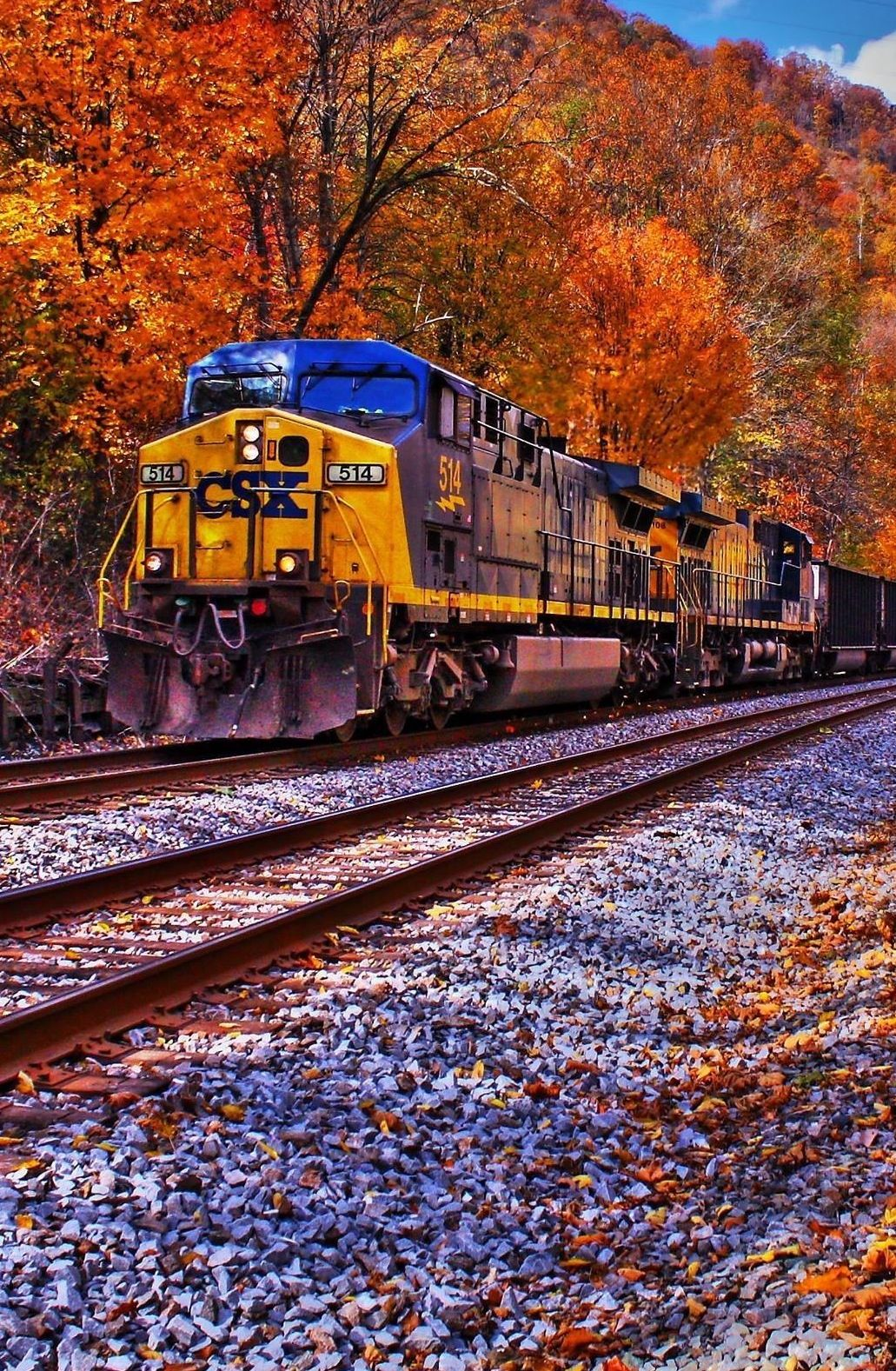
international rail freight shipping for oversized machinery is becoming an increasingly popular solution for manufacturers and industrial companies transporting heavy equipment across continents. Large machinery often creates challenges for traditional transportation because of its size, weight, special handling requirements, and complex delivery routes.
Moreover, oversized cargo cannot always be transported using standard containers or conventional logistics methods. Therefore, businesses need specialized transportation planning, suitable railway equipment, and experienced logistics partners to avoid delays, compliance issues, and unexpected costs.
Fortunately, international rail freight provides a balanced option between ocean and air transportation by offering competitive costs, stable schedules, and strong capacity for heavy industrial shipments. This guide explains how oversized machinery rail shipping works, what challenges companies should consider, and how to manage successful cross-border machinery transportation.

What Is International Rail Freight Shipping for Oversized Machinery?
international rail freight shipping for oversized machinery refers to transporting large, heavy, or irregularly shaped industrial equipment through international railway networks using specialized handling solutions.
Unlike standard cargo, oversized machinery requires detailed planning before shipment because dimensions and weight may affect loading methods, route selection, and customs approval.
Common Oversized Machinery Types
| Machinery Type | Typical Industry |
|---|---|
| CNC machines | Manufacturing |
| Mining equipment | Mining and construction |
| Industrial presses | Metal processing |
| Power equipment | Energy projects |
| Agricultural machinery | Farming |
Main Transportation Features
| Feature | Description |
|---|---|
| Special Rail Equipment | Flat racks, open wagons, or customized platforms |
| Route Planning | Based on tunnel, bridge, and terminal limits |
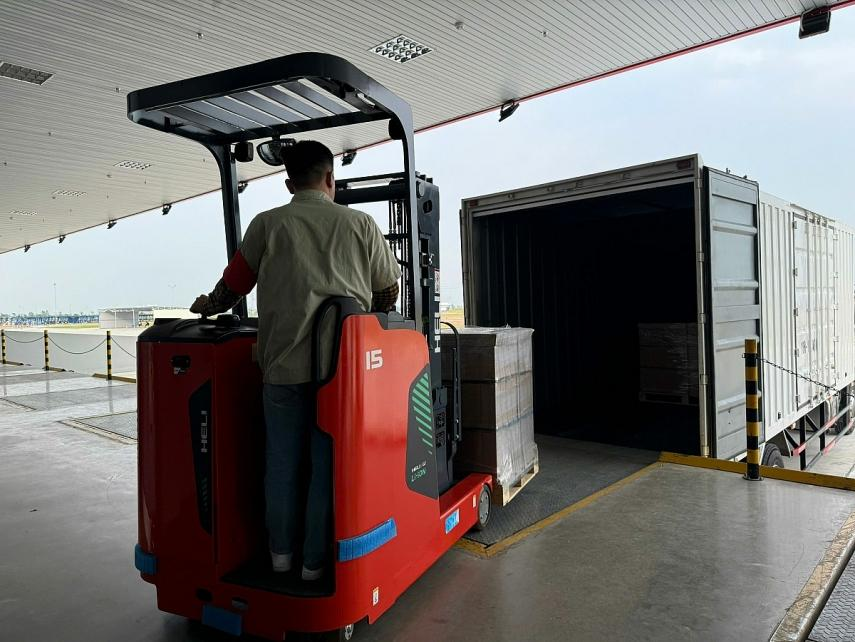
| Heavy Handling | Requires cranes and professional operators |
| Compliance Management | Requires transport permits |
Additionally, oversized cargo transportation often involves multiple countries, making coordination between railway operators, customs authorities, and local carriers essential.
Why Choose International Rail Freight Shipping for Oversized Machinery?
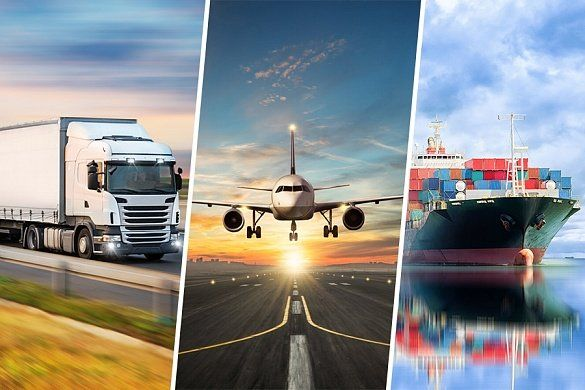
Companies transporting heavy machinery usually compare rail freight with ocean and road transportation.
Although ocean freight remains common for very large equipment, rail freight offers advantages when delivery speed and reliability are important.
Transportation Comparison
| Method | Transit Time | Cost Level | Best For |
|---|---|---|---|
| Air Freight | 3–7 days | Very High | Small urgent equipment |
| Ocean Freight | 30–60 days | Low | Extremely large cargo |
| Rail Freight | 15–30 days | Medium | Heavy industrial cargo |
Moreover, rail freight provides better schedule stability compared with ocean shipping, especially for land-based routes between Asia and Europe.
Key Advantages
- Faster than ocean transportation
- Lower cost than air freight
- Suitable for heavy industrial products
- More predictable delivery schedules
- Reduced dependency on port congestion
Therefore, many manufacturers choose rail freight when they need a balance between cost efficiency and delivery performance.
How Does International Rail Freight Shipping for Oversized Machinery Work?
Shipping oversized machinery requires a structured transportation process.
Because every project has different dimensions and weight requirements, logistics planning usually starts before cargo production is completed.
Shipping Process
| Stage | Activity |
|---|---|
| 1 | Cargo measurement and weight verification |
| 2 | Route feasibility assessment |
| 3 | Equipment selection |
| 4 | Loading and securing |
| 5 | Export customs clearance |
| 6 | International rail transportation |
| 7 | Destination delivery |
Important Planning Factors
Firstly, accurate cargo measurements are essential. Even small dimension differences can affect route approval.
Secondly, railway specialists evaluate:
- Loading restrictions
- Railway gauge differences
- Terminal capabilities
- Local delivery conditions
Additionally, oversized machinery may require special permits before transportation.
Consequently, early planning reduces operational risks and prevents costly adjustments after shipment preparation.
What Affects International Rail Freight Shipping for Oversized Machinery Costs?
The cost of oversized machinery transportation depends on several technical and operational factors.
Unlike standard freight, pricing is not calculated only by weight or volume.
Main Cost Factors
| Cost Factor | Impact |
|---|---|
| Cargo Dimensions | Larger equipment requires special solutions |
| Cargo Weight | Heavy loads need special rail equipment |
| Route Complexity | More restrictions increase planning costs |
| Loading Equipment | Cranes and lifting services add expenses |
| Customs Requirements | Additional compliance costs |
Example Cost Comparison
| Shipment Type | Estimated Cost Level |
|---|---|
| Standard Machinery Container | Lower |
| Oversized Machinery Flat Rack | Medium |
| Heavy Project Cargo | High |
Furthermore, choosing the correct transportation method can significantly reduce unnecessary expenses.
Cost Optimization Tips
- Confirm dimensions early
- Select suitable railway equipment
- Avoid last-minute route changes
- Combine logistics planning with installation schedules
As a result, professional planning helps companies control transportation budgets while maintaining delivery reliability.

What Documents Are Required for International Rail Freight Shipping for Oversized Machinery?
Documentation is one of the most important parts of oversized machinery transportation.
Because large equipment often requires special approval, incomplete paperwork can delay customs clearance or railway acceptance.
Required Documents
| Document | Purpose |
|---|---|
| Commercial Invoice | Confirms cargo value |
| Packing List | Provides cargo details |
| Technical Specification Sheet | Shows machinery information |
| Railway Transport Document | Confirms shipment movement |
| Export Declaration | Supports customs compliance |
| Import Documents | Enables destination clearance |
| Oversized Cargo Permit | Approves special transportation |
Common Documentation Challenges
- Incorrect dimensions
- Missing technical details
- Incorrect HS codes
- Lack of transport permits
Moreover, different countries may have different regulations for oversized cargo.
Therefore, working with experienced logistics providers helps ensure documentation accuracy throughout the shipment process.
How Can Businesses Manage Risks During Oversized Machinery Rail Transportation?
Oversized cargo transportation involves more risks than regular shipments.
However, proper planning can significantly reduce potential problems.
Common Risks
| Risk | Possible Impact |
|---|---|
| Route restrictions | Transportation delays |
| Loading problems | Equipment damage |
| Weather conditions | Schedule changes |
| Customs inspection | Cargo waiting time |
| Incorrect measurements | Route rejection |
Risk Management Strategies
Firstly, companies should complete route surveys before shipment.
Secondly, cargo dimensions and weight should be confirmed multiple times.
Additionally, proper cargo securing methods reduce movement risks during railway transportation.
Furthermore, cargo insurance provides additional protection for high-value industrial equipment.
Consequently, proactive risk management improves shipment safety and delivery reliability.
International Rail Freight Shipping for Oversized Machinery Case Studies
🚆 Case Study 1: Industrial Machine Transport from China to Germany
📍 Route
Suzhou, China → Duisburg, Germany
📦 Cargo
CNC manufacturing equipment
⏱️ Transit Time
24 days
💰 Cost Impact
Reduced transportation cost compared with air freight alternative
🚄 Transportation Method
China-Europe Railway + Special Flat Rack Equipment
🛃 Customs Clearance
Technical documents and machinery specifications were prepared before export declaration.
⚠️ Challenge
The equipment exceeded standard container dimensions and required special loading arrangements.
✅ Solution & Result
A customized rail transportation plan was arranged, allowing safe delivery without cargo damage or major delays.
🚆 Case Study 2: Heavy Equipment Delivered for European Construction Project
📍 Route
Chengdu, China → Warsaw, Poland
📦 Cargo
Construction machinery components
⏱️ Transit Time
28 days
💰 Cost Impact
Avoided higher air freight costs and reduced project delays
🚄 Transportation Method
Rail Freight + Local Heavy Truck Delivery
🛃 Customs Clearance
Import permits and technical documents were reviewed before arrival.
⚠️ Challenge
The project required delivery within a fixed installation schedule.
✅ Solution & Result
The shipment was coordinated with destination handling teams, ensuring equipment arrived before the construction deadline.
How Can Businesses Select a Reliable Oversized Machinery Rail Freight Partner?
Choosing the right logistics provider is essential because oversized machinery requires specialized experience.
A standard freight forwarder may not have the equipment, railway connections, or technical knowledge required for project cargo.
Selection Checklist
| Factor | Importance |
|---|---|
| Oversized Cargo Experience | Ensures proper handling |
| Railway Network Coverage | Provides route flexibility |
| Engineering Support | Helps solve technical issues |
| Customs Capability | Reduces compliance risks |
| Local Delivery Resources | Supports final transportation |
Questions to Ask
- Can they handle oversized industrial cargo?
- Do they provide route planning services?
- Can they arrange special rail equipment?
- Do they manage permits and customs procedures?
Moreover, experienced providers can coordinate the entire transportation process from factory pickup to final installation location.
Therefore, selecting expertise over the lowest price often creates better long-term results.
Conclusion
international rail freight shipping for oversized machinery provides manufacturers with a reliable solution for transporting heavy and complex equipment across international markets. With proper route planning, specialized rail equipment, accurate documentation, and professional handling, businesses can reduce risks and improve delivery efficiency.
Moreover, rail freight offers a practical balance between cost, capacity, and transit time compared with other transportation methods. Therefore, companies shipping oversized machinery should work with experienced logistics partners to ensure safe and predictable delivery.
- Consult Ali China Freight Forwarding for the lowest quote. They will provide you with reliable, cost-effective service.
FAQs
Q1.How much does oversized machinery rail shipping cost?
Costs depend on machinery size, weight, route complexity, equipment requirements, and customs procedures. Each project requires individual assessment.
Q2.How long does international rail shipping for oversized machinery take?
Transit time usually ranges from 15–30 days, depending on origin, destination, route, and border processing requirements.
Q3.Can oversized machinery be shipped by standard rail containers?
Some machinery requires flat racks, open wagons, or special platforms because dimensions may exceed standard container limits.
Q4.What documents are needed for oversized machinery rail freight?
Required documents usually include invoices, packing lists, technical specifications, export documents, and oversized cargo permits.
Q5.How can companies reduce oversized cargo transportation risks?
Accurate measurements, route planning, cargo securing, insurance, and experienced logistics support help reduce transportation risks.