

- By Jaxin
- July 13, 2026
- Amazon FBA
Introduction
rail freight container unloading and warehouse transfer is a critical step after international rail shipments arrive at destination terminals. Many importers focus on transportation time but underestimate the challenges of unloading containers, organizing cargo, and transferring goods to warehouses efficiently.
Moreover, poor coordination between rail terminals, warehouses, and trucking providers can lead to container detention fees, handling delays, and inventory management problems. Therefore, businesses need a structured unloading and transfer process to keep cargo moving smoothly.
Fortunately, professional logistics solutions can simplify terminal operations, improve cargo visibility, and reduce unnecessary costs. This guide explains how rail freight container unloading works, why warehouse transfer planning matters, and how companies can improve post-arrival logistics efficiency.

What Is Rail Freight Container Unloading and Warehouse Transfer?
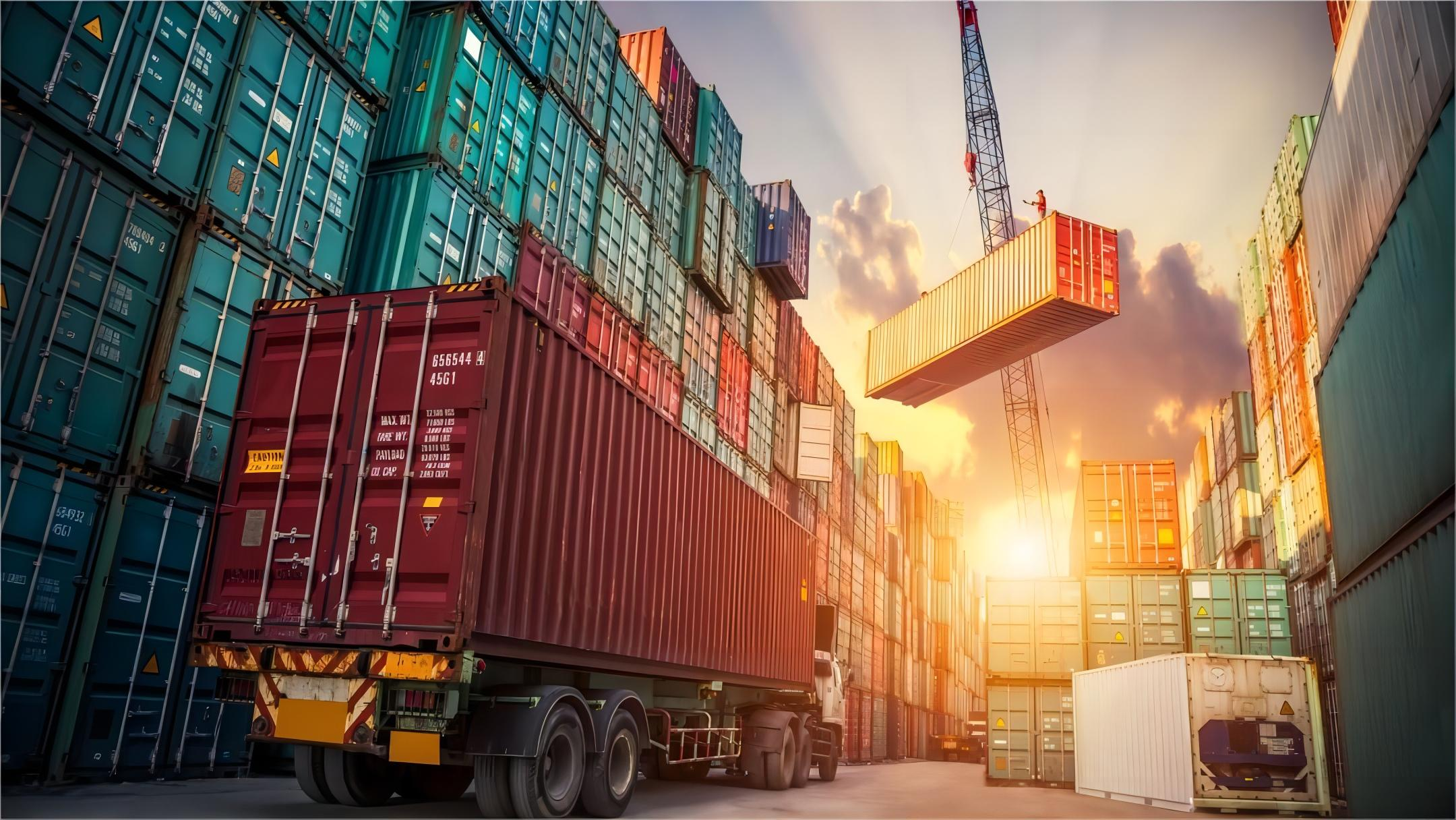
Rail freight container unloading and warehouse transfer refers to the process of removing containers from railway terminals, unloading cargo when required, and moving goods to warehouses for storage, distribution, or further transportation.
Unlike simple cargo delivery, this stage involves multiple parties, including railway terminals, warehouse operators, customs agents, and trucking companies.
Main Process Steps
| Process Stage | Description |
|---|---|
| Container Arrival | Cargo reaches destination rail terminal |
| Terminal Handling | Container is unloaded from train |
| Customs Coordination | Clearance procedures completed |
| Cargo Transfer | Goods moved to warehouse |
| Inventory Management | Products stored or prepared for delivery |
Additionally, the process may include palletizing, inspection, labeling, and cargo consolidation.
Why This Process Matters
Effective unloading and warehouse transfer helps companies:
- Reduce terminal waiting time
- Avoid unnecessary storage fees
- Improve inventory control
- Prepare faster final delivery
- Maintain shipment visibility
Therefore, efficient post-arrival handling is essential for reliable international rail freight operations.
Why Do Importers Need Rail Freight Container Handling and Warehouse Transfer Services?
After a container arrives at a railway terminal, many importers face operational challenges that require professional coordination.
Although rail transportation may be completed successfully, delays during unloading or warehouse transfer can still affect the entire supply chain.
Common Challenges
| Challenge | Business Impact |
|---|---|
| Limited terminal appointment availability | Longer waiting time |
| Lack of unloading equipment | Cargo handling delays |
| Warehouse capacity issues | Storage problems |
| Poor coordination | Higher operating costs |
| Incorrect cargo planning | Delivery disruption |
Moreover, international shipments often involve different suppliers, destinations, and delivery requirements.
Benefits of Professional Services
| Benefit | Result |
|---|---|
| Faster container unloading | Reduced delays |
| Warehouse coordination | Better cargo flow |
| Local trucking support | Smooth delivery |
| Inventory management | Improved efficiency |
Consequently, businesses can avoid unexpected problems after rail arrival and maintain stable logistics performance.
How Does Rail Freight Container Unloading and Warehouse Transfer Process Work?
A successful unloading and transfer operation requires careful planning between railway terminals, warehouses, and transportation providers.
Standard Transfer Workflow
| Step | Action |
|---|---|
| 1 | Confirm container arrival schedule |
| 2 | Arrange terminal pickup appointment |
| 3 | Move container to unloading location |
| 4 | Inspect and unload cargo |
| 5 | Store goods or arrange final delivery |
Furthermore, the transfer method depends on cargo characteristics, warehouse requirements, and delivery urgency.
Common Transfer Options
| Transfer Type | Suitable For | Advantage |
|---|---|---|
| Direct Container Delivery | Full container cargo | Faster handling |
| Warehouse Unloading | Mixed cargo | Better inventory control |
| Cross-Docking | Urgent shipments | Reduced storage time |
| Consolidation Warehouse | Multiple destinations | Lower distribution costs |
Additionally, real-time shipment monitoring allows logistics teams to adjust plans when delays occur.
Therefore, proper coordination is the key factor in achieving efficient cargo transfer.
How Much Does Rail Freight Container Unloading and Warehouse Transfer Cost?
The cost of unloading and warehouse transfer depends on several operational factors.
Although transportation rates are usually calculated before shipment departure, post-arrival handling expenses can significantly affect total logistics costs.
Cost Factors
| Cost Element | Estimated Impact |
|---|---|
| Terminal handling fees | Medium |
| Container unloading labor | Medium |
| Warehouse storage | High during delays |
| Truck transportation | Depends on distance |
| Additional cargo handling | Variable |
Example Cost Comparison
| Service Option | Cost Level | Suitable Situation |
|---|---|---|
| Direct Container Delivery | Lower | Full container shipments |
| Warehouse Transfer | Medium | Inventory management needs |
| Cross-Docking Service | Higher | Urgent distribution |
Moreover, proper scheduling can reduce unnecessary storage and detention expenses.
Cost Reduction Strategies
- Reserve warehouse space before arrival
- Confirm unloading appointments early
- Use experienced local operators
- Combine deliveries when possible
As a result, companies can control post-arrival costs while improving logistics efficiency.

What Documents Are Needed for Rail Freight Container Transfer and Warehouse Receiving?
Documentation accuracy is essential during the destination handling process.
Even after cargo reaches the destination terminal, incorrect paperwork can prevent container release or delay warehouse transfer.
Required Documents
| Document | Purpose |
|---|---|
| Railway Bill | Confirms transportation details |
| Commercial Invoice | Shows cargo value |
| Packing List | Provides cargo information |
| Customs Release Documents | Allows cargo movement |
| Warehouse Receiving Documents | Confirms inventory transfer |
| Delivery Order | Authorizes container pickup |
Common Documentation Problems
- Missing delivery instructions
- Incorrect cargo information
- Customs release delays
- Warehouse receiving errors
Furthermore, communication gaps between importers and logistics providers can create unnecessary waiting time.
Therefore, document preparation before container arrival helps ensure smoother unloading and warehouse operations.
Rail Freight Container Unloading and Warehouse Transfer Solutions
🚆 Case Study 1: Electronics Cargo Transferred After Rail Arrival
📍 Route
Xi’an, China → Hamburg, Germany
📦 Cargo
Consumer electronics products
⏱️ Transit Time
18 days rail transit + 1 day warehouse transfer
💰 Cost Impact
Reduced terminal storage costs through pre-arranged unloading
🚄 Transportation Method
China-Europe Railway + Warehouse Distribution
🛃 Customs Clearance
Cargo release documents were prepared before container arrival.
⚠️ Challenge
The importer needed fast warehouse transfer to avoid inventory delays.
✅ Solution & Result
The container was unloaded immediately after arrival and transferred to a local warehouse, improving delivery efficiency.
🚆 Case Study 2: Machinery Cargo Managed Through Warehouse Transfer
📍 Route
Chengdu, China → Budapest, Hungary
📦 Cargo
Industrial equipment components
⏱️ Transit Time
21 days rail transit + 2 days handling
💰 Cost Impact
Avoided additional container detention charges
🚄 Transportation Method
Rail Freight + Warehouse Storage + Local Truck Delivery
🛃 Customs Clearance
Import documents were reviewed before warehouse receiving.
⚠️ Challenge
Large cargo required special unloading arrangements and temporary storage.
✅ Solution & Result
A suitable warehouse and unloading equipment were arranged, allowing safe cargo transfer without production delays.
How Can Rail Freight Container Handling Services Reduce Transfer Risks?
Without proper planning, destination handling can create unexpected costs and operational issues.
Common Risks
| Risk | Possible Result |
|---|---|
| Terminal congestion | Container delays |
| Poor unloading planning | Cargo damage |
| Warehouse shortage | Storage problems |
| Missing documents | Release delays |
| Trucking issues | Delivery interruption |
Risk Management Methods
Firstly, companies should confirm warehouse availability before shipment arrival.
Secondly, unloading requirements should be communicated early, especially for oversized or sensitive cargo.
Additionally, real-time tracking helps logistics teams respond quickly to unexpected changes.
Furthermore, working with experienced local partners reduces communication problems.
Consequently, businesses can maintain smoother cargo flow from railway terminal to final destination.
Conclusion
rail freight container unloading and warehouse transfer plays an essential role in completing international rail shipments efficiently. By coordinating terminal handling, warehouse operations, customs procedures, and local transportation, companies can reduce delays and improve cargo management.
Moreover, professional transfer solutions help control costs, avoid unnecessary storage fees, and create a smoother connection between railway transportation and final delivery.
For businesses using international rail freight, investing in reliable destination handling is a practical way to improve supply chain stability and customer satisfaction.
Need a quote?
📞 Need help managing rail cargo after arrival? Contact us now to request a free shipping quote.
FAQs
1. How much does rail freight container unloading and warehouse transfer cost?
Costs depend on container type, cargo volume, unloading requirements, warehouse location, and storage duration.
2. How long does container unloading and warehouse transfer take?
Most operations take 1–3 days, depending on terminal availability, customs release, and warehouse scheduling.
3. What warehouse options are available after rail freight arrival?
Importers can choose temporary storage warehouses, consolidation centers, bonded warehouses, or direct delivery facilities.
4. What documents are needed for warehouse transfer?
Common documents include railway bills, invoices, packing lists, customs release documents, and delivery orders.
5. How can companies avoid container detention fees?
Early warehouse booking, appointment planning, and fast customs coordination help reduce unnecessary container waiting charges.