

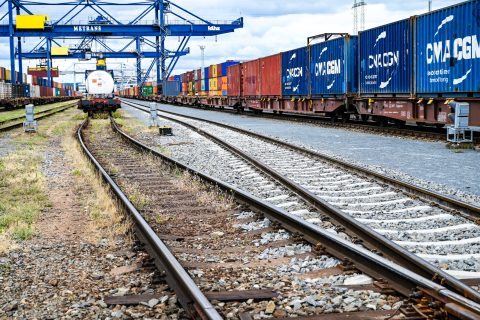
Multimodal rail road freight forwarding service provides businesses with an efficient transportation solution by combining the long-distance advantages of rail freight with the flexibility of road transportation. For companies shipping goods internationally, relying on a single transport mode may create limitations in cost, delivery coverage, or scheduling flexibility.
However, combining rail and road freight allows cargo to move smoothly from factories and inland terminals to warehouses, distribution centers, and final destinations. Therefore, multimodal transportation has become an increasingly popular choice for importers, manufacturers, and ecommerce businesses seeking reliable supply chain solutions.
Moreover, successful multimodal logistics requires more than simply transferring cargo between trains and trucks. It involves route planning, customs coordination, container management, terminal operations, and final delivery scheduling. This guide explains how multimodal rail road freight forwarding works, its advantages, common challenges, and how professional freight forwarders help businesses improve transportation efficiency.

Why Choose Multimodal Rail Road Freight Forwarding Service?
Multimodal rail road freight forwarding service offers a balanced approach between transportation cost, transit time, and delivery flexibility. Consequently, businesses can avoid the disadvantages of relying only on ocean, air, or road transportation.
Furthermore, combining rail and trucking creates more transportation options for different cargo requirements.
Key Benefits Of Multimodal Transportation
| Benefit | Business Value |
|---|---|
| Cost Optimization | Lower transportation expenses |
| Stable Transit Schedule | Better supply chain planning |
| Flexible Delivery Coverage | Reaches more destinations |
| Reduced Cargo Handling | Lower damage risks |
| Integrated Logistics Management | Simplified operations |
Common Applications
Multimodal rail road solutions are suitable for:
- International trade shipments
- Manufacturing supply chains
- Ecommerce inventory
- Industrial equipment transportation
- Warehouse replenishment
Therefore, businesses can improve logistics performance by selecting the right combination of transportation modes.
How Does Multimodal Rail Road Freight Forwarding Work?
The success of multimodal transportation depends on smooth coordination between different logistics stages. Therefore, professional management is necessary to avoid delays during cargo transfers.
Standard Transportation Process
- Factory cargo collection
- Export customs clearance
- Rail transportation
- Railway terminal handling
- Truck connection
- Final delivery
Multimodal Workflow
| Stage | Description |
|---|---|
| Origin Pickup | Cargo collected from supplier |
| Rail Transport | Long-distance movement by train |
| Terminal Transfer | Container preparation for trucking |
| Road Delivery | Local transportation to destination |
| Final Receiving | Warehouse or customer delivery |
Moreover, experienced freight forwarders monitor every stage to ensure smooth connections between rail and road networks.
As a result, businesses achieve better shipment visibility and fewer transportation interruptions.
What Are The Advantages Of Combining Rail And Road Freight?
Each transportation method has different strengths. Therefore, combining rail and road allows businesses to maximize efficiency while reducing logistics limitations.
Rail Freight Advantages
| Advantage | Description |
|---|---|
| Long-Distance Efficiency | Suitable for international routes |
| Lower Cost Than Air | Better budget control |
| Stable Capacity | Reliable transportation planning |
| Sustainable Option | Reduced emissions |
Road Freight Advantages
| Advantage | Description |
|---|---|
| Flexible Delivery | Reaches various locations |
| Door-To-Door Capability | Direct customer delivery |
| Fast Local Transportation | Efficient final-mile service |
| Multiple Vehicle Options | Suitable for different cargo |
Furthermore, integrating these two modes creates a complete transportation network that supports both international and domestic distribution.

How Can Freight Forwarders Improve Multimodal Rail Road Logistics?
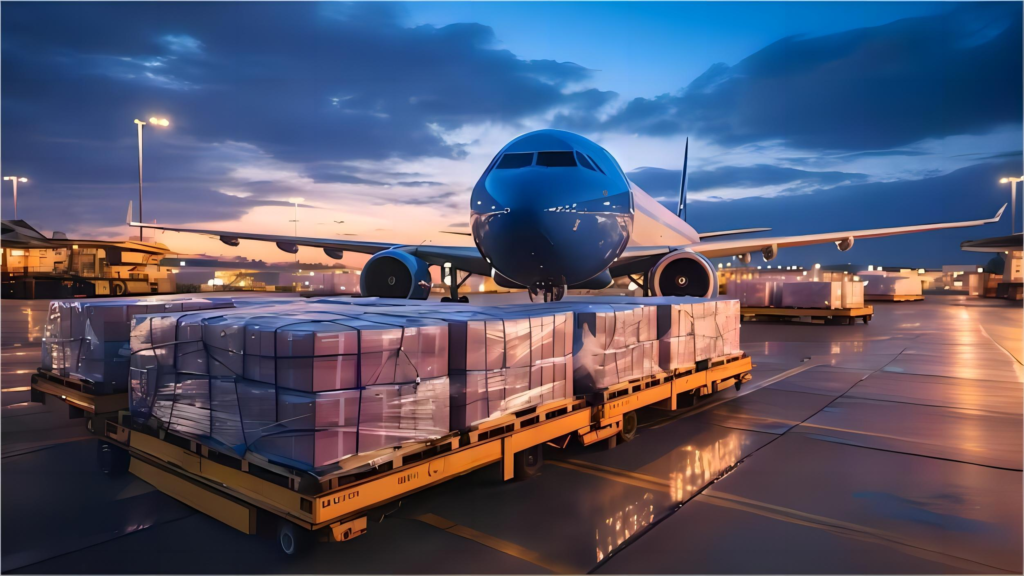
A professional freight forwarder plays an important role in coordinating multimodal transportation. Moreover, they reduce the complexity of managing multiple carriers, terminals, and customs procedures.
Integrated Freight Forwarding Services
| Service | Business Benefit |
|---|---|
| Route Planning | Select efficient transportation paths |
| Customs Brokerage | Reduce clearance risks |
| Container Management | Improve cargo handling |
| Truck Scheduling | Prevent delivery delays |
| Shipment Tracking | Increase visibility |
Additional Support
Professional providers can also help with:
- Cargo consolidation
- Warehouse coordination
- Insurance arrangements
- Documentation preparation
- Delivery appointment management
Therefore, working with an experienced freight forwarder allows businesses to focus on their operations while logistics specialists manage transportation complexity.
Real-World Multimodal Rail Road Freight Forwarding Service Cases
⚙️ Moving Industrial Equipment From Factory To Production Site
| 📌 Item | Details |
|---|---|
| 📍 Origin & Destination | Manufacturing Plant → Overseas Production Facility |
| 📦 Cargo | Industrial Machinery Components |
| ⏱ Transit Time | 22 Days Rail + 2 Days Trucking |
| 💰 Estimated Cost | USD 9,500 |
| 🚆 Transportation Method | Rail Freight + Heavy Truck Delivery |
| 🛃 Customs Clearance | Documents prepared before departure |
| 📝 Overview | The customer needed a cost-efficient solution for heavy equipment while avoiding expensive air freight. |
| ✅ Result | Cargo arrived safely with stable delivery timing and reduced transportation costs. |
📦 Supporting Ecommerce Inventory Replenishment
| 📌 Item | Details |
|---|---|
| 📍 Origin & Destination | Supplier Warehouse → Overseas Fulfillment Center |
| 📦 Cargo | Ecommerce Products |
| ⏱ Transit Time | 18 Days Rail + 3 Days Road |
| 💰 Estimated Cost | USD 6,200 |
| 🚆 Transportation Method | Rail Freight + Warehouse Truck Delivery |
| 🛃 Customs Clearance | Managed through integrated forwarding service |
| 📝 Overview | An ecommerce seller needed predictable inventory replenishment without using expensive air transportation. |
| ✅ Result | Inventory reached the fulfillment center before stock levels became critical. |
🚪 Completing Door-To-Door Delivery For Regional Distribution
| 📌 Item | Details |
|---|---|
| 📍 Origin & Destination | Rail Terminal → Regional Distribution Network |
| 📦 Cargo | Consumer Goods |
| ⏱ Transit Time | 20 Days Rail + 1 Day Trucking |
| 💰 Estimated Cost | USD 5,800 |
| 🚆 Transportation Method | Multimodal Rail Road Delivery |
| 🛃 Customs Clearance | Completed before final truck dispatch |
| 📝 Overview | A distributor required direct delivery from the railway terminal to multiple regional warehouses. |
| ✅ Result | Distribution efficiency improved with fewer cargo transfers. |
How To Choose A Multimodal Rail Road Freight Forwarder?
Selecting the right freight forwarder directly affects transportation reliability and supply chain performance. Therefore, businesses should evaluate both rail expertise and road delivery capability.
Key Factors To Consider
| Capability | Business Benefit |
|---|---|
| Rail Network Experience | Better route planning |
| Trucking Resources | Reliable final delivery |
| Customs Expertise | Faster clearance |
| Tracking Systems | Shipment visibility |
| Warehouse Support | Flexible logistics options |
Questions To Ask Before Cooperation
Before selecting a provider, consider:
- Do you provide multimodal rail road freight forwarding service?
- Can you manage customs clearance?
- Do you offer door-to-door delivery?
- Can you coordinate rail and trucking schedules?
- Do you support different cargo types?
Consequently, choosing an experienced logistics partner helps businesses reduce risks and improve transportation efficiency.
Conclusion
Multimodal rail road freight forwarding service provides a flexible and cost-effective solution for businesses that need reliable international transportation. By combining the long-distance efficiency of rail freight with the delivery flexibility of road transportation, companies can create smoother supply chains and improve cargo movement.
Moreover, professional freight forwarders simplify complex logistics operations by managing customs clearance, terminal coordination, trucking schedules, and final delivery. Whether transporting industrial equipment, ecommerce inventory, or commercial goods, a well-designed multimodal solution helps businesses reduce costs, improve visibility, and maintain reliable delivery performance.
Need a quote?
🤝 Need Integrated Rail And Road Logistics?
Our team can coordinate rail transportation, customs procedures, trucking connections, and final delivery to build a complete multimodal freight solution.
FAQs
1. What is multimodal rail road freight forwarding?
It is a logistics solution that combines rail transportation and road trucking to move cargo efficiently from origin to final destination.
2. Why combine rail and road freight?
Rail provides cost-effective long-distance transportation, while road freight offers flexible local delivery and door-to-door capability.
3. Is multimodal freight suitable for international shipments?
Yes. It is commonly used for cross-border trade, ecommerce logistics, industrial shipments, and supply chain distribution.
4. How does a freight forwarder manage multimodal transportation?
A freight forwarder coordinates routes, carriers, customs clearance, documentation, tracking, and final delivery arrangements.
5. Can multimodal rail road freight reduce shipping costs?
Yes. Combining transportation modes can reduce costs by using rail for long distances and trucking only where flexibility is required.