

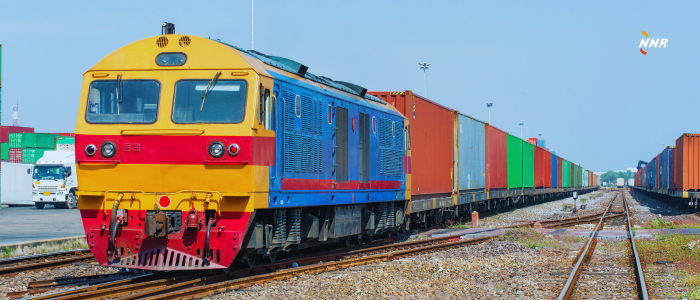
Shipping from China to Thailand cargo rail forwarding is becoming an attractive logistics solution for businesses looking for stable transportation between two major Asian trade markets. As manufacturing and cross-border commerce continue to grow, importers need shipping methods that balance transportation costs, transit time, and supply chain reliability.
However, traditional transportation options may create challenges. Sea freight can involve longer transit times, while air freight often brings higher costs for regular commercial shipments. Therefore, cargo rail forwarding combined with road connections provides a practical alternative for businesses requiring more predictable delivery schedules.
Moreover, successful China-Thailand rail cargo transportation requires professional coordination of route planning, customs clearance, border procedures, and final-mile delivery. This guide explains how cargo rail forwarding works, its advantages, suitable cargo types, and how businesses can optimize shipments from China to Thailand.

Why Choose Shipping From China To Thailand Cargo Rail Forwarding?
Shipping from China to Thailand cargo rail forwarding provides businesses with a balanced transportation option between speed and cost. Consequently, companies can maintain stable inventory levels while controlling logistics expenses.
Furthermore, rail-based solutions are especially useful for businesses that require more consistency than sea freight but do not need the premium speed of air transportation.
Key Benefits Of China-Thailand Rail Forwarding
| Benefit | Business Value |
|---|---|
| Stable Transit Schedule | Better inventory planning |
| Competitive Transportation Cost | Improved profit margins |
| Multimodal Connections | Flexible delivery options |
| Lower Environmental Impact | More sustainable logistics |
| Professional Customs Support | Reduced clearance risks |
Suitable Cargo Types
Rail cargo forwarding is suitable for:
- Electronics
- Machinery components
- Consumer products
- Automotive parts
- Industrial materials
- Ecommerce inventory
Therefore, businesses can use rail forwarding as part of a reliable supply chain strategy between China and Thailand.
How Does Cargo Rail Forwarding From China To Thailand Work?
The transportation process involves multiple logistics stages, including export procedures, international rail connections, border handling, and final delivery. Therefore, professional coordination is essential for smooth cargo movement.
Standard Shipping Process
- Supplier cargo pickup in China
- Export customs declaration
- Rail transportation arrangement
- Border customs coordination
- Import clearance in Thailand
- Truck delivery to final destination
China-Thailand Rail Forwarding Workflow
| Stage | Description |
|---|---|
| Factory Pickup | Collect cargo from Chinese supplier |
| Export Clearance | Complete Chinese customs procedures |
| Rail Transportation | Move cargo through regional rail networks |
| Border Processing | Handle customs inspection and documentation |
| Final Delivery | Truck cargo to warehouse or customer |
Moreover, experienced freight forwarders manage communication between suppliers, customs authorities, rail operators, and receivers.
As a result, businesses can reduce delays and improve shipment visibility.
What Are The Advantages Of Rail Freight Between China And Thailand?
China and Thailand maintain strong trade connections, creating increasing demand for efficient logistics solutions. Therefore, combining rail transportation with road delivery helps businesses access more flexible shipping options.
Rail Freight Advantages
| Advantage | Description |
|---|---|
| Cost Efficiency | Lower than air freight |
| Schedule Stability | More predictable planning |
| Large Capacity | Suitable for bulk cargo |
| Multimodal Flexibility | Easy connection with trucking |
Compared With Other Shipping Methods
| Transportation | Speed | Cost | Best For |
|---|---|---|---|
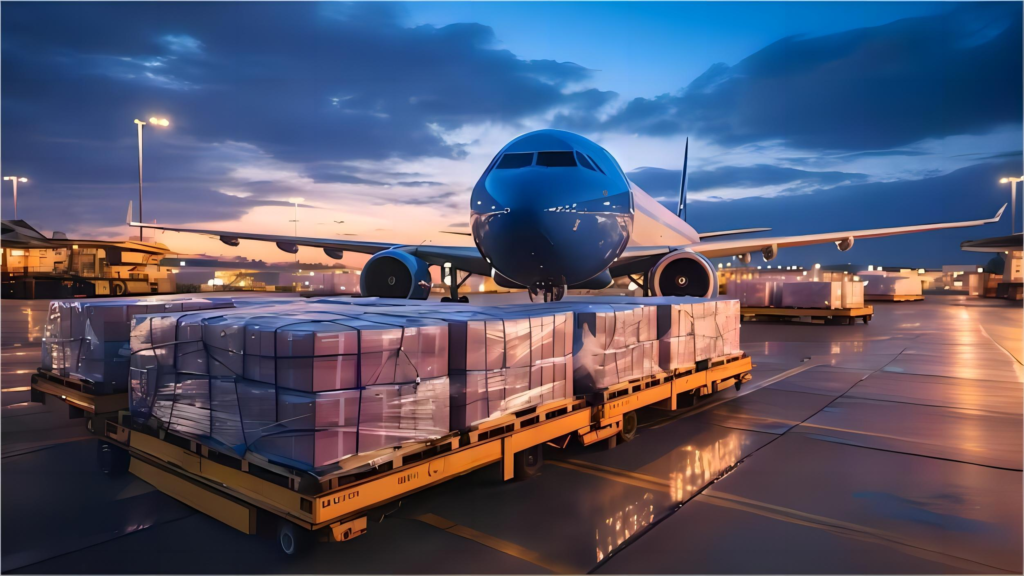
| Air Freight | Fastest | Highest | Urgent shipments |
| Rail Freight | Medium | Moderate | Regular commercial cargo |
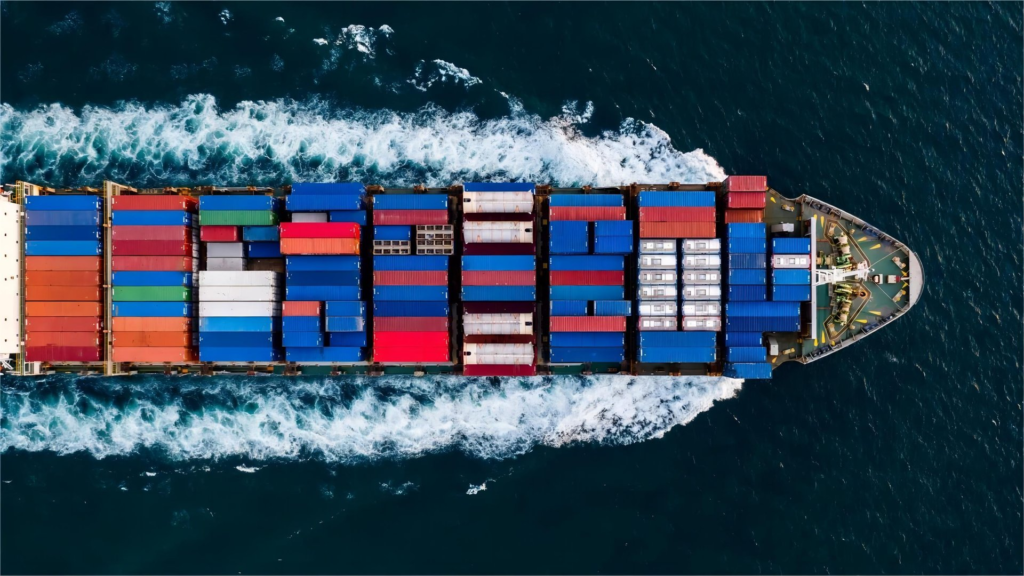
| Sea Freight | Slower | Lowest | Large-volume shipments |
Furthermore, rail forwarding allows companies to diversify transportation strategies instead of depending on a single shipping method.
How Can Freight Forwarders Improve China-Thailand Rail Cargo Delivery?
A professional freight forwarder plays a key role in managing complex cross-border transportation. Moreover, they help businesses overcome challenges related to customs, documentation, and delivery coordination.
Integrated Forwarding Services
| Service | Business Benefit |
|---|---|
| Route Planning | Select efficient transportation solutions |
| Customs Brokerage | Reduce clearance delays |
| Cargo Consolidation | Lower shipping costs |
| Warehouse Support | Improve inventory flexibility |
| Final-Mile Trucking | Complete door-to-door delivery |
Additional Support
Professional providers can also assist with:
- Commercial invoice preparation
- Packing list verification
- Border clearance coordination
- Shipment tracking
- Delivery scheduling
Therefore, choosing an experienced forwarding partner improves reliability throughout the China-Thailand logistics process.
Real-World Shipping From China To Thailand Cargo Rail Forwarding Cases
⚙️ Transporting Machinery Components To A Thai Manufacturing Facility
| 📌 Item | Details |
|---|---|
| 📍 Origin & Destination | Guangdong Supplier → Thailand Production Plant |
| 📦 Cargo | Machinery Components |
| ⏱ Transit Time | 12 Days |
| 💰 Estimated Cost | USD 6,700 |
| 🚆 Transportation Method | Rail Freight + Truck Delivery |
| 🛃 Customs Clearance | Export and import documentation prepared in advance |
| 📝 Overview | A manufacturer required stable delivery of production components without relying on expensive air freight. |
| ✅ Result | Components arrived on schedule and production operations continued smoothly. |
📦 Supporting Ecommerce Inventory Replenishment In Thailand
| 📌 Item | Details |
|---|---|
| 📍 Origin & Destination | China Fulfillment Warehouse → Bangkok Distribution Center |
| 📦 Cargo | Consumer Products |
| ⏱ Transit Time | 10 Days |
| 💰 Estimated Cost | USD 4,300 |
| 🚆 Transportation Method | Consolidated Rail Freight + Local Trucking |
| 🛃 Customs Clearance | Managed through forwarding service |
| 📝 Overview | An ecommerce seller needed regular inventory replenishment with controlled logistics costs. |
| ✅ Result | Stock availability improved while transportation expenses remained manageable. |
🚪 Delivering Industrial Materials To A Thai Project Site
| 📌 Item | Details |
|---|---|
| 📍 Origin & Destination | China Export Warehouse → Construction Site In Thailand |
| 📦 Cargo | Industrial Materials |
| ⏱ Transit Time | 14 Days |
| 💰 Estimated Cost | USD 7,900 |
| 🚆 Transportation Method | Rail Forwarding + Project Trucking |
| 🛃 Customs Clearance | Coordinated before cargo arrival |
| 📝 Overview | A construction project required reliable delivery directly to the site to avoid additional handling. |
| ✅ Result | Materials arrived according to the project schedule without customs-related interruptions. |
How To Choose A China-Thailand Rail Cargo Forwarder?
Selecting the right forwarding partner directly affects shipment reliability, customs efficiency, and delivery performance. Therefore, businesses should evaluate both rail experience and cross-border logistics capabilities.
Important Factors
| Capability | Business Benefit |
|---|---|
| China-Asia Rail Experience | Better route planning |
| Customs Expertise | Faster clearance |
| Trucking Network | Reliable final delivery |
| Cargo Tracking | Better shipment visibility |
| Warehouse Support | Flexible logistics options |
Questions Before Cooperation
Before choosing a provider, ask:
- Do you handle shipping from China to Thailand cargo rail forwarding?
- Can you manage customs clearance?
- Do you provide door-to-door delivery?
- Can you handle FCL and LCL shipments?
- Can you provide shipment tracking?
Consequently, working with an experienced freight forwarder helps businesses build a more reliable China-Thailand supply chain.
Conclusion
Shipping from China to Thailand cargo rail forwarding provides businesses with a practical logistics option that combines transportation stability, cost efficiency, and flexible delivery solutions. By connecting Chinese suppliers with Thai factories, warehouses, and distribution centers, rail forwarding helps companies improve supply chain reliability.
Moreover, professional freight forwarders simplify the entire process by managing customs clearance, documentation, rail coordination, and final-mile trucking. Whether you are shipping machinery, ecommerce products, or industrial materials, a well-designed China-Thailand rail forwarding solution can reduce logistics challenges and support long-term business growth.
Need a quote?
🤝 Need China-Thailand Rail Forwarding Support?
Our logistics team can provide complete solutions including cargo pickup, customs clearance, rail transportation, and final delivery in Thailand.
FAQs
1. Is rail freight available for shipping from China to Thailand?
Yes. Rail and multimodal transportation solutions can connect China with Thailand through regional logistics networks and road connections.
2. What cargo can be shipped from China to Thailand by rail?
Common cargo includes machinery, electronics, consumer products, automotive parts, and industrial materials.
3. How long does China-Thailand rail cargo forwarding take?
Transit time depends on the origin, destination, customs procedures, and transportation route, but rail offers a stable alternative for many commercial shipments.
4. Can cargo rail forwarding include customs clearance?
Yes. Professional freight forwarders can manage export and import customs procedures as part of an integrated service.
5. Is rail forwarding cheaper than air freight from China to Thailand?
Generally, rail forwarding provides lower costs than air freight while offering faster and more predictable delivery compared with some traditional shipping options.