

Introduction
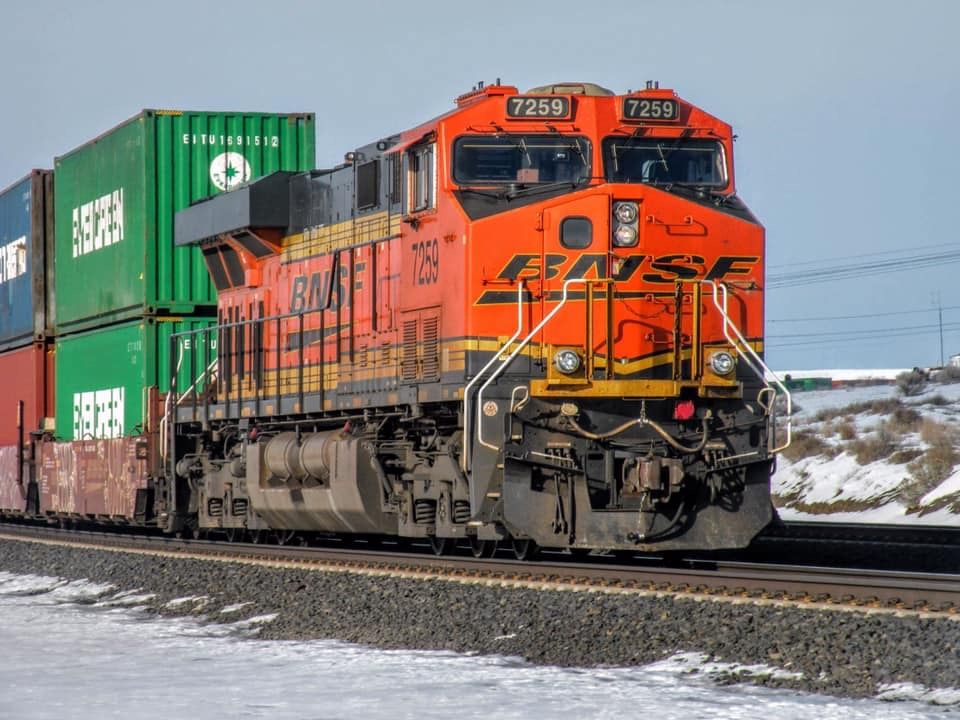
Rail freight cargo packaging standards for international shipping are essential for protecting cargo during long-distance transportation across multiple countries and handling points. Poor packaging can result in cargo damage, customs inspections, rejected shipments, and costly delivery delays.
Moreover, international rail shipments often experience loading, unloading, terminal handling, and cross-border inspections. Therefore, businesses must ensure their packaging meets both transportation and regulatory requirements before cargo departure.
This guide explains key rail freight packaging standards, common mistakes to avoid, and practical solutions for improving cargo protection and shipping efficiency.

What Are Rail Freight Cargo Packaging Standards for International Shipping?
Packaging standards are designed to protect cargo throughout the transportation process while ensuring safe handling and customs compliance.
Why Are Packaging Standards Important?
| Packaging Requirement | Purpose |
|---|---|
| Cargo Protection | Prevent transportation damage |
| Weight Stability | Reduce shifting risks |
| Customs Compliance | Facilitate inspections |
| Handling Efficiency | Improve loading operations |
| Safety Compliance | Prevent transportation incidents |
Moreover, proper packaging minimizes insurance claims and product losses.
Which Cargo Types Require Special Packaging?
Additionally, businesses should pay extra attention to:
- Electronics
- Industrial equipment
- Automotive parts
- Consumer products
- Fragile commercial goods
Therefore, packaging requirements often vary based on cargo characteristics.
Why Do Rail Freight Cargo Packaging Standards for International Shipping Matter?
International rail transportation exposes cargo to vibration, temperature changes, and multiple handling stages. Therefore, packaging quality directly affects shipment outcomes.
Common Risks of Poor Packaging
| Packaging Issue | Potential Result |
|---|---|
| Weak Cartons | Product damage |
| Poor Weight Distribution | Cargo collapse |
| Inadequate Protection | Transit losses |
| Missing Labels | Customs delays |
Moreover, damaged cargo may trigger additional inspections at destination terminals.
How Can Businesses Improve Cargo Protection?
Additionally, companies should:
- Use reinforced packaging materials
- Secure cargo properly
- Protect vulnerable corners
- Follow pallet loading standards
Consequently, shipments are more likely to arrive in good condition.
What Packaging Materials Are Recommended for International Rail Freight?
Selecting the right packaging materials significantly improves cargo protection.
Recommended Packaging Materials
| Material | Best Use |
|---|---|
| Corrugated Cartons | General cargo |
| Wooden Crates | Heavy machinery |
| Plastic Wrapping | Moisture protection |
| Steel Strapping | Heavy cargo securing |
| Foam Protection | Fragile products |
Moreover, combining multiple protection methods often provides better results.
How Should Businesses Choose Materials?
Furthermore, packaging selection should consider:
- Cargo weight
- Product value
- Transit distance
- Handling frequency
As a result, businesses can balance protection and packaging costs.
How Should Cargo Be Secured for International Rail Transportation?
Proper securing methods are critical for meeting rail freight cargo packaging standards for international shipping.
Recommended Cargo Securing Techniques
| Method | Benefit |
|---|---|
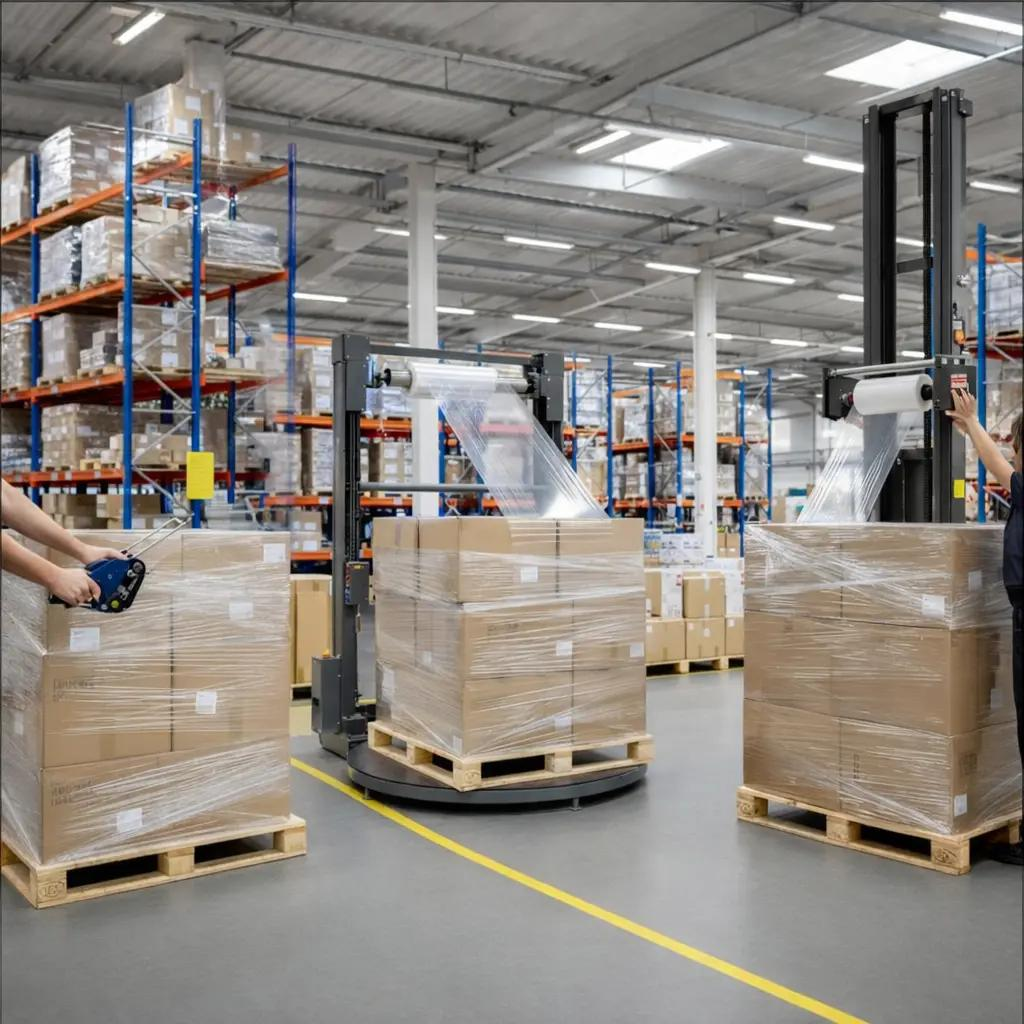
| Stretch Wrapping | Load stability |
| Strapping | Prevent movement |
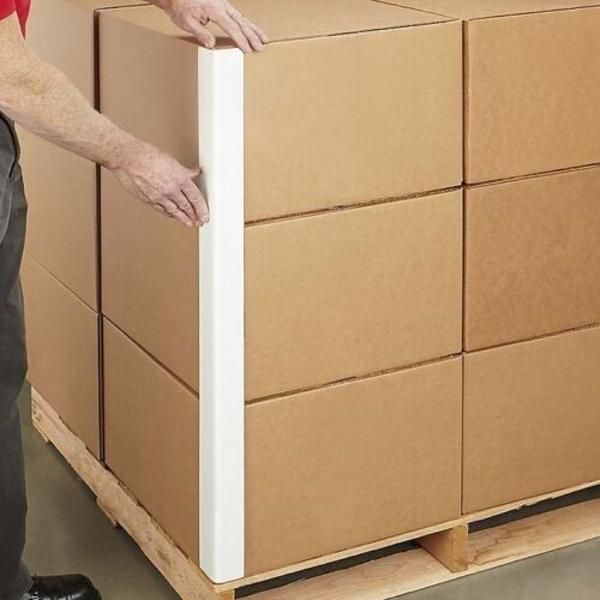
| Corner Protectors | Package protection |
| Anti-Slip Materials | Reduce shifting |
| Shrink Wrapping | Additional security |
Moreover, combining these methods improves transportation safety.
Best Practices for Stable Packaging
Additionally:
- Keep weight evenly distributed
- Avoid package overhang
- Secure heavy items separately
- Verify package integrity before loading
Therefore, cargo remains stable during rail transit.
How Can Packaging Standards Help Reduce Customs and Inspection Delays?
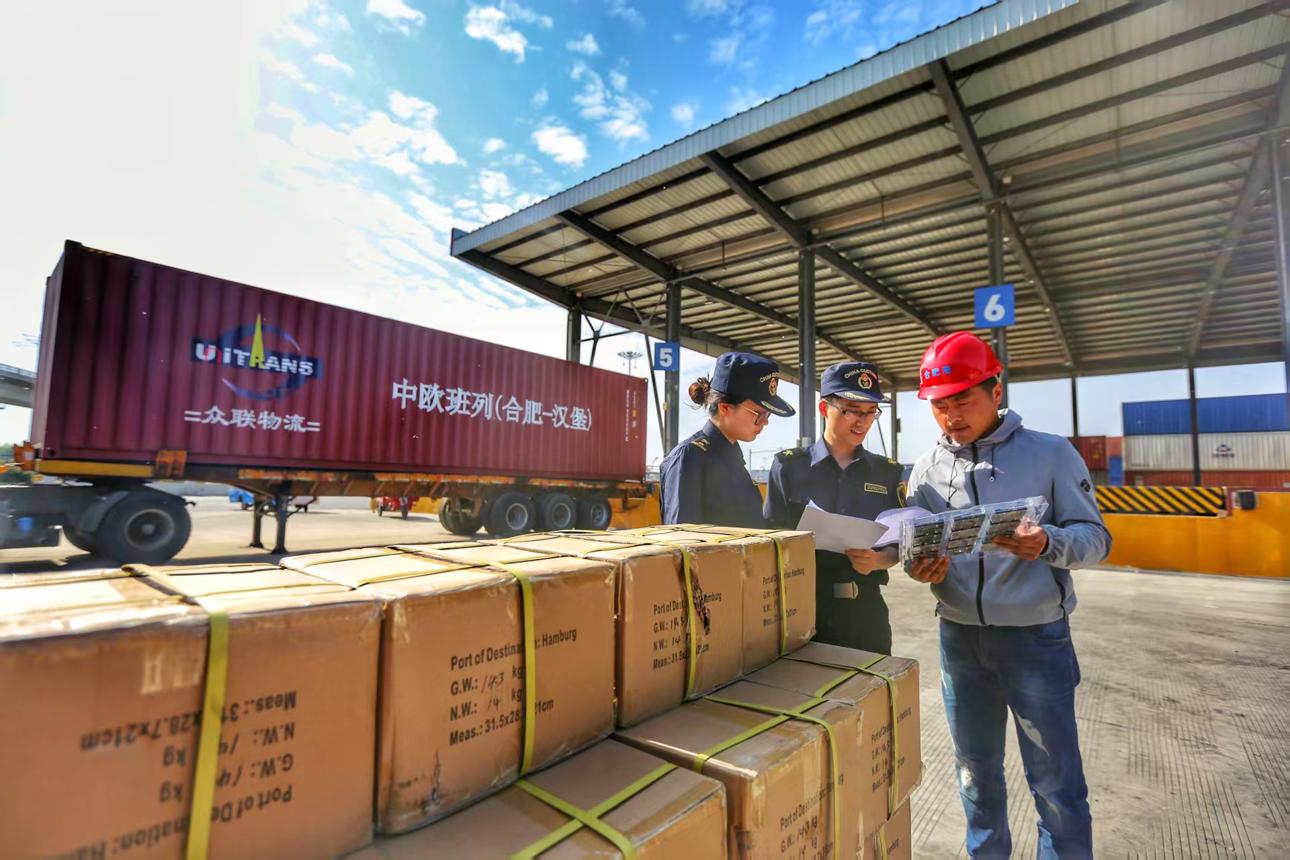
Customs authorities frequently inspect international rail shipments. Therefore, packaging quality affects inspection efficiency and clearance speed.
Packaging Issues That Trigger Delays
| Issue | Impact |
|---|---|
| Damaged Packaging | Additional inspection |
| Missing Labels | Verification delays |
| Mixed Product Packaging | Extended reviews |
| Non-Compliant Wooden Packaging | Customs hold |
Moreover, poorly organized shipments often require additional customs verification.
Customs-Friendly Packaging Practices
Additionally, businesses should:
- Label packages clearly
- Separate product categories
- Use compliant wooden materials
- Maintain accurate packing lists
Consequently, customs inspections become faster and more efficient.
What Packaging Requirements Apply to Wooden Crates and Pallets?
Wooden packaging materials are widely used in rail freight. However, they must comply with international regulations.
Key Wooden Packaging Requirements
| Requirement | Description |
|---|---|
| ISPM 15 Compliance | Mandatory treatment standard |
| Official Marking | Required certification stamp |
| Pest-Free Materials | Inspection requirement |
| Structural Integrity | Safe transportation |
Moreover, customs authorities may reject non-compliant wooden packaging.
How Can Businesses Avoid Problems?
Furthermore, companies should source packaging from certified suppliers and verify markings before shipment.
As a result, cargo is less likely to face customs delays.
Case Study: Meeting Rail Freight Cargo Packaging Standards for International Shipping
| Item | Details |
|---|---|
| Origin & Destination | Xiamen, China → Antwerp, Belgium |
| Cargo | Consumer electronics |
| Transit Time | 18 days |
| Cost | Approximately 40% lower than air freight |
| Transportation Method | China-Europe rail freight |
| Customs Clearance | ISPM 15-compliant pallets and verified packaging labels |
| Brief Overview | Cargo packaging was upgraded with reinforced cartons, stretch wrapping, and corner protection, reducing damage risk and improving customs inspection efficiency. |
How Should Businesses Prepare Cargo for International Rail Freight Shipping?
Preparation before departure significantly reduces transportation risks.
Pre-Shipment Packaging Checklist
- Verify packaging strength
- Confirm pallet stability
- Apply clear shipping labels
- Use compliant wooden materials
- Protect fragile products
- Review customs requirements
Moreover, conducting a packaging review before shipment helps identify potential issues early.
Therefore, businesses that invest in proper preparation often experience fewer delays, lower damage rates, and improved delivery reliability.
Conclusion
Rail freight cargo packaging standards for international shipping are essential for protecting cargo, improving customs efficiency, and reducing transportation risks. Moreover, proper packaging materials, securing methods, and compliance practices help businesses achieve safer and more reliable rail freight operations.
By following recognized packaging standards and working with experienced logistics providers, companies can improve shipment performance while minimizing costly disruptions throughout the transportation process.
Need a quote?
📞 Need expert guidance on cargo packaging and rail freight compliance?Contact us now to request a free shipping quote.
FAQs
1. Why are packaging standards important for international rail freight?
Proper packaging protects cargo from damage, improves handling efficiency, and helps prevent customs-related delays.
2. Are wooden pallets allowed for China-Europe rail freight?
Yes. However, wooden pallets generally must comply with ISPM 15 regulations and display approved treatment markings.
3. What packaging is best for fragile cargo?
Foam protection, reinforced cartons, corner protectors, and secure palletization are commonly recommended for fragile products.
4. Can poor packaging cause customs delays?
Yes. Damaged packaging, unclear labeling, and non-compliant materials may trigger additional inspections.
5. How can businesses reduce packaging costs?
Standardized packaging, proper carton sizing, shipment consolidation, and reusable materials can help lower overall packaging expenses.