

Introduction
Rail freight consolidation service from China has become a preferred solution for exporters who face rising transportation costs, small shipment volumes, and increasing delivery pressure. Many companies struggle to fill an entire container, yet they still need a reliable and cost-effective way to move goods to Europe and Central Asia.
Meanwhile, traditional air freight often exceeds budget limits, while sea freight may take too long for time-sensitive cargo. Therefore, cargo consolidation through rail transport offers a practical middle ground. This guide explains how rail consolidation works, when it makes sense, and how businesses can reduce logistics expenses while maintaining stable delivery schedules.
What Is a Rail Freight Consolidation Service From China?
A rail freight consolidation service from China combines shipments from multiple exporters into one rail container. Instead of paying for an entire container, each shipper only pays for the space their cargo occupies.
Consequently, small and medium-sized businesses can access international railway networks without waiting to accumulate enough cargo for a full container load.
How the Process Works
| Step | Description |
|---|---|
| Cargo Collection | Goods are collected from suppliers across China |
| Warehouse Consolidation | Cargo is sorted and combined at a consolidation warehouse |
| Documentation Review | Shipping documents are verified before departure |
| Rail Transportation | Containers move via China-Europe Railway Express |
| Customs Clearance | Export and import procedures are completed |
| Final Delivery | Cargo is delivered to the consignee |
Moreover, consolidation warehouses often provide labeling, palletizing, repacking, and cargo inspection services before loading.
In today’s competitive work environment, a well-decorated office cubicle isn’t just about aesthetics—it’s about creating a workspace that inspires productivity and reflects your personality. If you’re tired of dull, uninspiring cubicles, explore our innovative decoration ideas that transform your work area on any budget.
Suitable Cargo Types
- Industrial machinery parts
- Automotive components
- Electronics
- E-commerce products
- Consumer goods
- Retail inventory
- Medical equipment
However, dangerous goods and oversized cargo may require special arrangements.
Why Choose Rail Freight Consolidation Service From China Instead of Air or Sea Freight?
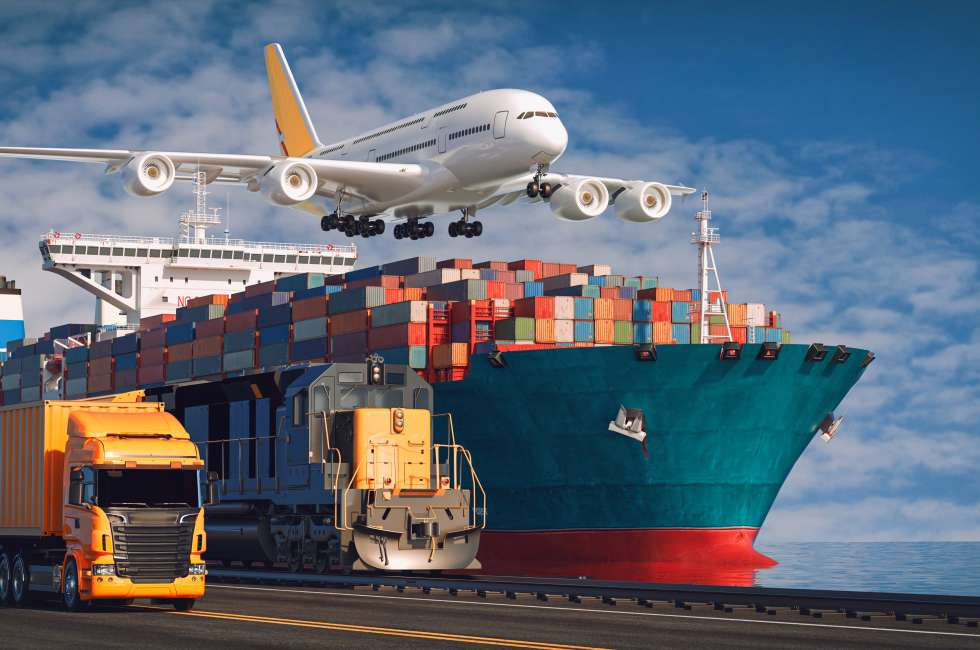
Businesses often compare rail, sea, and air transportation before selecting a shipping method. Although every option has advantages, rail consolidation frequently offers the best balance between cost and transit time.
| Shipping Method | Transit Time | Cost Level | Suitable For |
|---|---|---|---|
| Air Freight | 3–7 Days | Very High | Urgent cargo |
| Rail Consolidation | 15–25 Days | Medium | Regular shipments |
| Sea Freight | 30–45 Days | Low | Large-volume cargo |
Key Advantages
1.Faster Than Ocean Freight
Rail transportation usually cuts transit times by 40–60% compared with sea freight.
2.Lower Cost Than Air Freight
Additionally, rail costs are significantly lower than air transportation while maintaining predictable schedules.
3.More Stable During Peak Seasons
During holiday rushes and shipping disruptions, rail routes often experience less congestion than major seaports.
Therefore, companies seeking a cost-effective shipping solution from China to Europe increasingly rely on rail consolidation services.
How Does Rail Cargo Consolidation From China Reduce Shipping Costs?
One of the biggest reasons companies choose cargo consolidation is cost optimization.
Instead of paying for unused container space, businesses share transportation expenses with other shippers. Consequently, logistics budgets become more efficient.
Cost-Saving Areas
| Cost Factor | Full Container | Consolidated Rail Freight |
|---|---|---|
| Container Rental | 100% Paid by One Shipper | Shared |
| Terminal Charges | Individual Cost | Shared |
| Rail Transportation | Individual Cost | Shared |
| Handling Fees | Higher | Lower Per Unit |
| Warehouse Cost | Limited Flexibility | More Efficient |
Additional Savings Opportunities
Furthermore, consolidation providers often negotiate better rail rates because they ship large volumes regularly. As a result, customers gain access to lower transportation pricing that would otherwise be unavailable.
Meanwhile, reduced inventory holding costs also contribute to overall supply chain savings because cargo reaches Europe faster than sea freight.
Which Destinations Benefit Most From Rail Freight Consolidation Service From China?
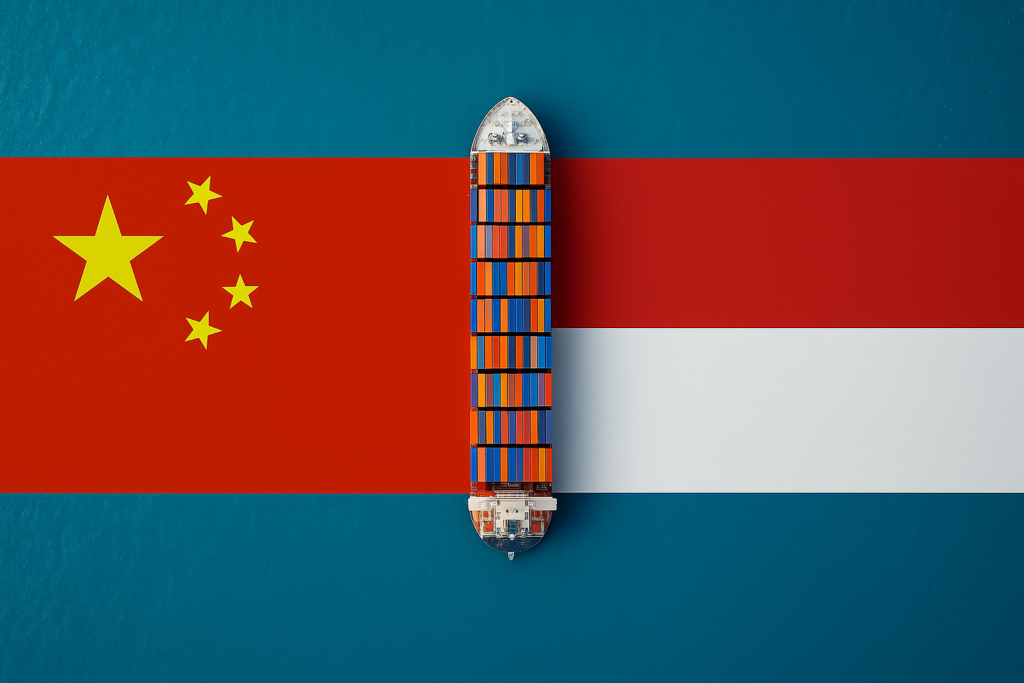
The China-Europe railway network continues expanding each year. Therefore, more importers can take advantage of consolidated rail services.
Popular European Destinations
| Destination | Average Transit Time |
|---|---|
| Germany | 15–18 Days |
| Poland | 14–18 Days |
| Netherlands | 18–22 Days |
| Belgium | 18–22 Days |
| France | 18–24 Days |
| Hungary | 16–20 Days |
| Czech Republic | 16–20 Days |
Central Asia Destinations
| Destination | Average Transit Time |
|---|---|
| Kazakhstan | 8–12 Days |
| Uzbekistan | 10–15 Days |
| Kyrgyzstan | 12–18 Days |
Moreover, many shipments continue beyond rail terminals through trucking networks, enabling door-to-door delivery throughout Europe.
Consequently, businesses can serve multiple countries using one integrated transportation solution.
What Documents Are Required for Rail Freight Consolidation From China?
Documentation mistakes remain one of the most common causes of customs delays. Therefore, proper preparation is essential.
Essential Shipping Documents
| Document | Purpose |
|---|---|
| Commercial Invoice | Declares cargo value |
| Packing List | Provides shipment details |
| Railway Bill | Transportation record |
| Export Declaration | Chinese export compliance |
| Certificate of Origin | Determines tariff eligibility |
| Import Documentation | Destination customs clearance |
Common Documentation Issues
- Incorrect HS codes
- Product description mismatches
- Missing consignee information
- Incomplete invoices
- Incorrect cargo weight declarations
Furthermore, experienced freight forwarders typically conduct document audits before departure. Consequently, customs clearance becomes smoother and transit risks are reduced.
Customs Clearance Best Practices
Before booking cargo, verify destination country requirements. Additionally, confirm that all commercial documents match the physical cargo description. This simple step can prevent costly inspections and storage charges.
How to Select the Right Rail Freight Consolidation Service Provider From China?
Choosing the right logistics partner directly impacts delivery performance.
Although many providers offer rail services, service quality varies significantly.
Evaluation Criteria
| Selection Factor | Why It Matters |
|---|---|
| Rail Network Coverage | More routing options |
| Consolidation Frequency | Faster cargo departure |
| Customs Expertise | Fewer clearance delays |
| Warehouse Facilities | Better cargo handling |
| Cargo Tracking | Improved visibility |
| Local Delivery Network | Reliable final-mile service |
Questions to Ask Before Booking
- How often do consolidated rail departures occur?
- What destinations are supported?
- Is customs brokerage included?
- Can cargo be tracked online?
- What insurance options are available?
Moreover, providers with dedicated consolidation warehouses often deliver better operational efficiency than brokers that outsource warehouse functions.
Therefore, evaluating the complete service chain is just as important as comparing freight rates.
Rail Freight Consolidation Service From China: Real Shipment Case Studies
📦 Case Card 1: Electronics Components to Germany
| Item | Details |
|---|---|
| Origin | Shenzhen, China → Duisburg, Germany |
| Cargo | Electronics Components |
| Transit Time | 17 Days |
| Cost | 38% Lower Than Air Freight |
| Transportation Method | Consolidated Rail Freight |
| Customs Clearance | Cleared Through Poland Border Hub |
| Brief Overview | Customer required faster delivery than sea freight while reducing transportation costs. Rail consolidation achieved both goals. |
🚚 Case Card 2: E-commerce Products to France
| Item | Details |
|---|---|
| Origin | Yiwu, China → Lyon, France |
| Cargo | Consumer Goods |
| Transit Time | 21 Days |
| Cost | 42% Lower Than Air Freight |
| Transportation Method | Rail + Truck Delivery |
| Customs Clearance | Import Clearance Completed in Belgium |
| Brief Overview | Seasonal inventory replenishment arrived before stock depletion and avoided expensive air shipments. |
⚙️ Case Card 3: Automotive Parts to Hungary
| Item | Details |
|---|---|
| Origin | Chengdu, China → Budapest, Hungary |
| Cargo | Automotive Components |
| Transit Time | 16 Days |
| Cost | 25% Lower Than Full Container Rail Service |
| Transportation Method | Consolidated Railway Transport |
| Customs Clearance | Pre-verified HS Codes Reduced Inspection Risk |
| Brief Overview | Multiple suppliers combined shipments into one container, significantly reducing transportation expenses. |
How Can Businesses Maximize the Value of Rail Freight Consolidation Service From China?
Successful rail consolidation depends on planning rather than simply booking transportation.
Practical Recommendations
- Schedule shipments at least two weeks before required delivery dates.
- Standardize packaging dimensions whenever possible.
- Consolidate cargo from multiple suppliers.
- Verify customs documents before warehouse arrival.
- Purchase cargo insurance for high-value goods.
Inventory Planning Benefits
Furthermore, regular rail consolidation schedules enable more accurate inventory forecasting. As a result, businesses reduce safety stock requirements while maintaining product availability.
Meanwhile, shorter lead times compared with ocean freight improve responsiveness to changing customer demand.
Consequently, rail consolidation becomes not only a transportation solution but also a supply chain optimization strategy.
Conclusion
Rail freight consolidation service from China offers a practical balance between speed, cost, and reliability for businesses shipping to Europe and Central Asia. By combining cargo from multiple shippers, companies can reduce transportation expenses, improve inventory planning, and access stable railway networks without paying for full container capacity.
Moreover, proper documentation, experienced freight partners, and strategic shipment planning help maximize the benefits of rail consolidation. Therefore, businesses seeking a scalable and cost-efficient international logistics solution should seriously consider rail freight consolidation as part of their supply chain strategy.
Ready to optimize your international shipments?
FAQs
How much does rail freight consolidation service from China cost?
Costs vary based on cargo volume, destination, and season. However, consolidated rail freight typically costs significantly less than air freight while remaining faster than ocean shipping.
What is the average transit time for consolidated rail freight from China to Europe?
Most rail cargo consolidation shipments reach Europe within 15–25 days. Nevertheless, customs inspections and final delivery arrangements may slightly affect total transit time.
Can multiple suppliers use the same rail freight consolidation shipment?
Yes. In fact, multi-supplier cargo consolidation is one of the most common applications. Therefore, importers can combine purchases from different factories into one shipment.
Which documents are required for rail cargo consolidation services?
Generally, exporters need a commercial invoice, packing list, export declaration, railway bill, and destination customs documents. Additionally, some products may require certificates of origin.
How can I reduce customs risks when using rail freight consolidation from China?
Ensure product descriptions, HS codes, and cargo values are accurate. Furthermore, working with an experienced freight forwarder helps identify compliance issues before shipment departure.