

- By Jaxin
- July 10, 2026
- Amazon FBA
Rail freight last mile delivery solutions have become increasingly important as more businesses use rail transportation to move cargo between China and Europe. While rail transport can efficiently move goods across long distances, many shipments encounter delays after arriving at inland rail terminals because final delivery planning was overlooked.
Meanwhile, importers often face challenges such as limited trucking capacity, fragmented distribution networks, and complex delivery schedules. Consequently, the success of a rail shipment depends not only on the rail journey itself but also on the efficiency of the final delivery stage. This guide explains how last mile solutions work, common challenges, and practical ways to improve cargo distribution after rail arrival.
What Are Rail Freight Last Mile Delivery Solutions?
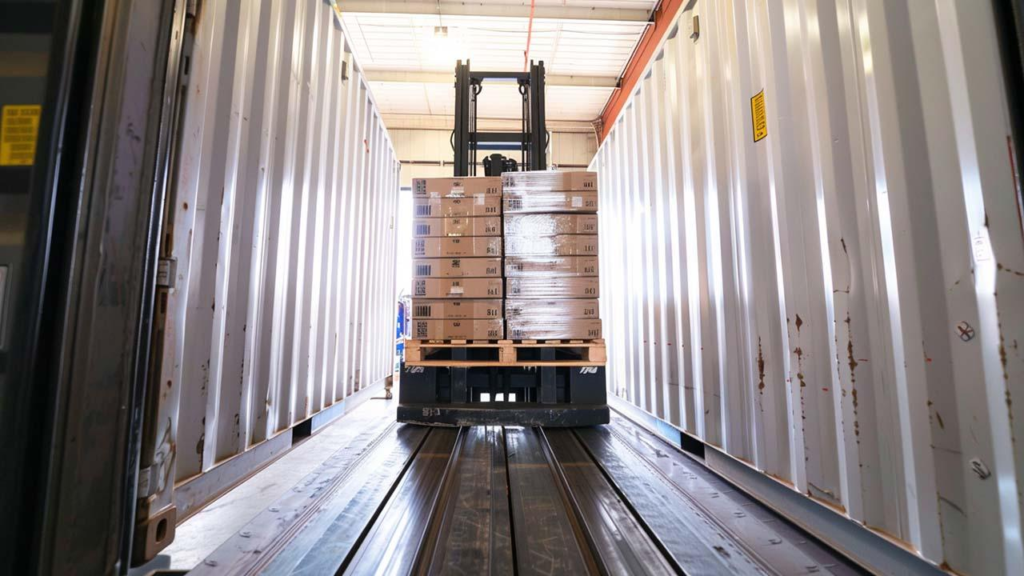
Rail freight last mile delivery solutions refer to the transportation services that move cargo from a rail terminal to its final destination. Although the rail segment covers most of the journey, the last mile often determines whether deliveries arrive on time.
After cargo reaches a European rail hub such as Duisburg, Warsaw, or Budapest, trucking networks typically handle the final leg.
Common Last Mile Services
| Service Type | Application |
|---|---|
| Truck Delivery | Factory, warehouse, retail distribution |
| Express Delivery | Time-sensitive cargo |
| Multi-Drop Distribution | Deliveries to multiple locations |
| Amazon FBA Delivery | E-commerce inventory replenishment |
| Bonded Warehouse Delivery | Customs-controlled cargo |
Moreover, integrated rail and trucking solutions provide better shipment visibility and reduce coordination issues.
Why Do Rail Freight Last Mile Delivery Solutions Matter for Supply Chains?
Many companies focus on rail transit time while underestimating final delivery complexity. However, inefficient last mile planning can create unexpected delays and additional costs.
Key Impacts on Supply Chain Performance
| Factor | Impact |
|---|---|
| Delivery Speed | Faster customer fulfillment |
| Inventory Availability | Reduced stockout risks |
| Storage Costs | Lower terminal storage fees |
| Customer Satisfaction | Improved delivery reliability |
| Supply Chain Visibility | Better shipment tracking |
Furthermore, businesses using synchronized rail and trucking schedules often experience fewer disruptions during peak seasons.
As a result, effective last mile management becomes a competitive advantage rather than simply a transportation task.
How Can Rail Freight Last Mile Delivery Solutions Reduce Delivery Delays?
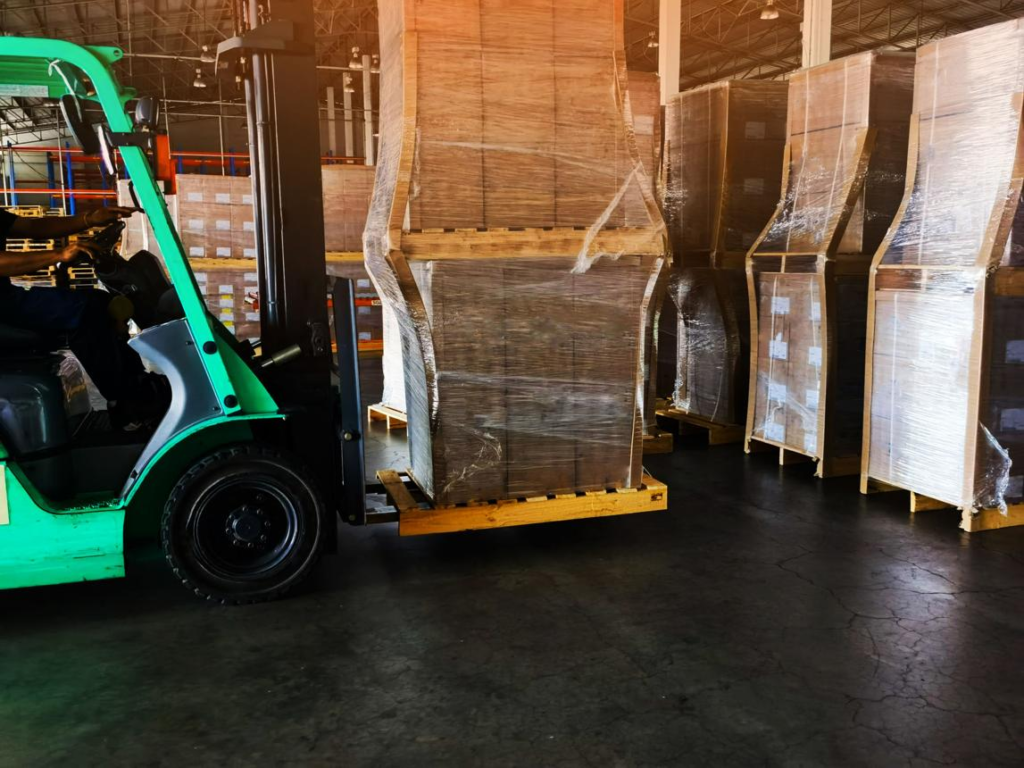
One of the biggest challenges after rail arrival is cargo congestion at inland terminals.
Therefore, businesses should prepare delivery arrangements before the train reaches its destination.
Common Causes of Delays
| Issue | Potential Consequence |
|---|---|
| Truck Shortages | Delivery postponements |
| Missing Documents | Customs clearance delays |
| Poor Appointment Scheduling | Warehouse receiving issues |
| Peak Season Congestion | Extended lead times |
| Incorrect Delivery Address | Additional transportation costs |
Practical Solutions
1)Pre-Book Truck Capacity
Booking trucks before rail arrival significantly improves delivery reliability.
2)Coordinate Customs Clearance Early
Meanwhile, customs documents should be verified before the shipment reaches the destination terminal.
3)Use Real-Time Tracking
Additionally, tracking systems help logistics teams respond quickly to operational disruptions.
Which Rail Freight Last Mile Delivery Solutions Work Best for Different Cargo Types?
Different products require different distribution strategies. Consequently, selecting the right delivery model is essential.
Delivery Options by Cargo Type
| Cargo Type | Recommended Solution |
|---|---|
| E-commerce Products | Rail + FBA Trucking |
| Industrial Equipment | Dedicated Truck Delivery |
| Automotive Parts | Scheduled Distribution |
| Consumer Goods | Consolidation Warehousing |
| Medical Products | Priority Truck Service |
Rail Plus Warehouse Distribution
For companies serving multiple markets, rail-connected warehouses often provide greater flexibility.
Instead of delivering directly to every customer, cargo can first enter a regional distribution center. Subsequently, smaller shipments can be dispatched according to demand.
This approach frequently lowers transportation costs while improving inventory management.
How Do Rail Freight Last Mile Delivery Solutions Support Europe-Wide Distribution?
Europe’s extensive road network allows rail shipments to reach markets beyond major rail terminals.
For example, cargo arriving in Germany can be distributed throughout neighboring countries using trucking services.
Typical Distribution Routes
| Rail Hub | Final Delivery Coverage |
|---|---|
| Duisburg | Germany, Netherlands, Belgium |
| Warsaw | Poland, Czech Republic |
| Budapest | Hungary, Slovakia, Austria |
| Milan | Italy and Southern Europe |
| Paris Region | France and Western Europe |
Advantages of Integrated Distribution
- Shorter overall transit times
- Improved cargo visibility
- Better inventory replenishment planning
- Reduced handling requirements
Furthermore, integrated delivery networks simplify coordination between rail operators and trucking providers.
Consequently, importers benefit from smoother cross-border distribution throughout Europe.
What Documentation Is Required for Rail Freight Last Mile Delivery Solutions?
Documentation errors remain a leading cause of delivery interruptions. Therefore, businesses should prepare all required paperwork before cargo arrives.
Essential Documentation Checklist
| Document | Purpose |
|---|---|
| Commercial Invoice | Cargo valuation |
| Packing List | Shipment verification |
| Railway Consignment Note | Rail transport record |
| Customs Declaration | Import compliance |
| Delivery Order | Final delivery authorization |
| Proof of Delivery Requirements | Customer confirmation |
Best Practices for Documentation Management
Before shipment departure, verify consignee information and delivery addresses. In addition, ensure that customs clearance documents match cargo descriptions exactly.
Proper document preparation reduces inspection risks and accelerates final delivery operations.
Rail Freight Last Mile Delivery Solutions: Real Shipment Examples
🚚 Case Card 1: Consumer Electronics to Germany
| Item | Details |
|---|---|
| Origin | Chongqing, China → Munich, Germany |
| Cargo | Consumer Electronics |
| Transit Time | 18 Days Rail + 2 Days Trucking |
| Cost | 32% Lower Than Air Freight |
| Transportation Method | Rail + Dedicated Truck |
| Customs Clearance | Cleared at Duisburg Rail Hub |
| Brief Overview | Customer avoided warehouse stock shortages by arranging truck delivery before train arrival. |
📦 Case Card 2: Amazon Inventory to France
| Item | Details |
|---|---|
| Origin | Zhengzhou, China → Paris, France |
| Cargo | Amazon FBA Inventory |
| Transit Time | 19 Days Rail + 1 Day Final Delivery |
| Cost | 28% Lower Than Air Freight |
| Transportation Method | Rail + FBA Delivery Truck |
| Customs Clearance | Import clearance completed in Belgium |
| Brief Overview | Coordinated delivery appointment reduced storage fees and ensured inventory arrived before peak sales season. |
⚙️ Case Card 3: Automotive Components to Hungary
| Item | Details |
|---|---|
| Origin | Chengdu, China → Budapest, Hungary |
| Cargo | Automotive Parts |
| Transit Time | 16 Days Rail + Same-Day Distribution |
| Cost | 22% Lower Than Alternative Road Freight |
| Transportation Method | Rail + Regional Distribution Network |
| Customs Clearance | Pre-approved documentation expedited release |
| Brief Overview | Multiple deliveries were completed through a centralized warehouse distribution strategy. |
How Can Businesses Optimize Rail Freight Last Mile Delivery Solutions?
Improving last mile performance requires proactive planning rather than reactive problem-solving.
Key Optimization Strategies
| Strategy | Benefit |
|---|---|
| Pre-Arrange Trucking | Faster cargo release |
| Use Distribution Warehouses | Lower transportation costs |
| Implement Tracking Systems | Better shipment visibility |
| Verify Documentation Early | Fewer customs issues |
| Coordinate Delivery Appointments | Reduced waiting times |
Planning for Peak Seasons
During holiday periods, trucking demand often increases significantly. Therefore, booking transportation capacity in advance becomes critical.
At the same time, maintaining communication between rail operators, customs brokers, and trucking providers helps minimize disruptions.
Businesses that integrate these processes typically achieve more predictable delivery performance and stronger customer satisfaction.
Conclusion
Rail freight last mile delivery solutions play a critical role in transforming rail transportation into a complete door-to-door logistics service. While rail networks efficiently move cargo across continents, successful final delivery requires careful planning, reliable trucking partners, and accurate documentation.
Moreover, integrated rail and road transportation helps businesses reduce delays, lower storage costs, and improve supply chain visibility. Therefore, companies seeking efficient cargo distribution across Europe should invest in a well-structured last mile strategy to maximize the value of rail freight transportation.
FAQ:
Q1.How much do rail freight last mile delivery solutions cost?
Costs depend on cargo size, delivery distance, destination country, and trucking requirements. However, combining rail transport with optimized trucking often reduces overall logistics expenses compared with alternative shipping methods.
Q2.How long does final delivery take after rail cargo arrives in Europe?
Most last mile deliveries take between one and five days. Nevertheless, customs inspections, appointment scheduling, and seasonal congestion may affect delivery timelines.
Q3.Can rail freight last mile delivery solutions support Amazon FBA shipments?
Yes. Many logistics providers offer rail plus Amazon FBA delivery services. Consequently, sellers can replenish inventory faster while controlling transportation costs.
Q4.What documents are needed for final delivery after rail transport?
Typically, importers need commercial invoices, packing lists, customs declarations, and delivery orders. Additionally, certain products may require industry-specific compliance documents.
Q5.How can businesses reduce last mile delivery risks?
Pre-booking trucking services, verifying documentation, and using real-time shipment tracking significantly reduce disruption risks. Furthermore, experienced logistics providers can resolve operational issues more quickly.