

- By Jaxin
- July 10, 2026
- Uncategorized
Rail freight peak season capacity guarantee has become a major concern for global companies as seasonal demand increases create rail space shortages, equipment constraints, and longer booking lead times. Many importers and exporters face unexpected delays when transportation capacity is unavailable during critical supply chain periods.
Moreover, peak season pressure affects not only railway schedules but also container availability, customs processing, and final-mile delivery. Therefore, businesses need a proactive strategy to secure reliable rail capacity, control costs, and maintain stable inventory flow.
This guide explains how companies can improve peak season rail planning, reduce transportation risks, and build a more reliable China-Europe rail freight strategy.

Why Is Rail Freight Peak Season Capacity Guarantee Important for Global Shippers?
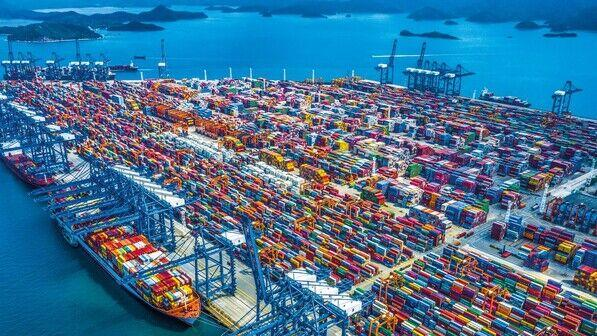
During peak seasons, railway networks experience increased cargo demand from industries such as electronics, automotive, consumer goods, and e-commerce. However, limited rail slots and container shortages can create significant challenges for companies with urgent delivery requirements.
Furthermore, transportation delays during peak periods may lead to inventory shortages, production interruptions, and higher logistics expenses.
| Peak Season Challenge | Business Impact | Recommended Solution |
|---|---|---|
| Limited railway capacity | Shipment delays | Reserve space earlier |
| Container shortages | Higher operating costs | Secure equipment supply |
| Terminal congestion | Longer waiting time | Select flexible routes |
| Customs delays | Delivery disruption | Prepare documents early |
Moreover, companies with regular international shipments should avoid relying on last-minute bookings. Instead, they should develop a long-term capacity planning strategy.
Key actions include:
- Forecasting cargo volume in advance
- Communicating shipping schedules with logistics providers
- Reserving rail capacity before demand peaks
- Preparing backup transportation options
NOTE:China-Europe rail capacity solutions is not only a transportation issue but also a supply chain management strategy.
How Can Companies Improve Peak Season Rail Capacity Planning?
Many businesses ask how they can secure rail space when demand rises suddenly. However, successful peak season transportation depends heavily on early preparation and accurate forecasting.
Moreover, railway operators and logistics providers usually allocate resources more effectively when customers provide reliable shipment plans.
Recommended Capacity Planning Timeline
| Planning Period | Action | Expected Benefit |
|---|---|---|
| 3–6 months before peak season | Share estimated shipment volume | Improve capacity allocation |
| 4–8 weeks before departure | Confirm rail booking | Reduce space shortage risks |
| Before cargo loading | Complete documentation | Prevent customs delays |
| During transportation | Track shipment status | Respond quickly to changes |
Additionally, companies can improve capacity stability by selecting multiple departure schedules and alternative routes.
For example:
- Using different rail terminals
- Combining rail with trucking solutions
- Maintaining cooperation with experienced freight providers
Consequently, early planning significantly improves the possibility of securing transportation capacity during high-demand periods.
What Factors Affect China-Europe Rail Capacity During Peak Seasons?
Rail freight capacity depends on multiple operational and market factors. Therefore, companies need to understand these elements before creating their shipping plans.
| Influencing Factor | Impact on Rail Capacity |
|---|---|
| Cargo demand growth | Reduces available booking space |
| Container availability | Affects loading schedules |
| Border procedures | Influences transit stability |
| Terminal operation | Creates possible congestion |
| Market changes | Causes unexpected capacity pressure |
Furthermore, international trade fluctuations can quickly change transportation demand.
For example, during:
- Chinese New Year production recovery
- European holiday inventory preparation
- Global retail sales campaigns
rail freight demand often increases significantly.
Moreover, companies should analyze previous shipping data and identify their busiest periods. This allows them to reserve capacity earlier and avoid unnecessary transportation disruptions.
Therefore, understanding market conditions is essential for achieving reliable rail freight peak season capacity guarantee.
How Does Rail Freight Perform Against Other Peak Season Shipping Options?
Although rail freight provides a balance between speed and cost, businesses should compare different transportation options before selecting their peak season strategy.
| Shipping Method | Average Transit Time | Cost Level | Peak Season Reliability |
|---|---|---|---|
| Air Freight | 3–7 days | High | Medium |
| Rail Freight | 12–20 days | Medium | High with early booking |
| Ocean Freight | 30–45 days | Low | Lower during congestion |
However, rail freight is often preferred by companies that need faster delivery than ocean shipping but cannot afford the high cost of air transportation.
Moreover, rail transportation offers more predictable schedules for many China-Europe routes.
Typical users include:
- Electronics manufacturers requiring stable replenishment
- Automotive suppliers supporting production lines
- Retailers managing seasonal inventory
Additionally, combining rail freight with trucking can create a flexible multimodal transportation solution.
Therefore, peak season rail capacity planning provides businesses with a practical balance between reliability, speed, and cost control.
How Can Companies Reduce Risks During Rail Freight Peak Seasons?
Peak season transportation risks cannot always be completely avoided. However, companies can reduce potential disruptions through effective planning and risk management.
Moreover, successful international shippers usually prepare multiple solutions instead of depending on one transportation option.
| Risk | Risk Control Strategy |
|---|---|
| Booking rejection | Reserve capacity earlier |
| Equipment shortage | Confirm container availability |
| Customs inspection delay | Review documents beforehand |
| Route disruption | Prepare alternative routes |
| Delivery delay | Arrange local distribution support |
Furthermore, accurate cargo information is essential for smooth transportation.
Companies should verify:
- HS code classification
- Commercial invoice details
- Packing information
- Customs requirements
Additionally, real-time shipment tracking allows businesses to react quickly when unexpected situations occur.
Consequently, effective risk management improves supply chain stability and supports successful rail freight peak season capacity guarantee.
What Documentation Supports Rail Freight Peak Season Capacity Guarantee?
Documentation accuracy plays an important role in maintaining transportation efficiency. Meanwhile, peak season shipments require faster processing because logistics networks operate under heavy pressure.
| Document | Purpose |
|---|---|
| Commercial Invoice | Confirms cargo value and transaction details |
| Packing List | Provides shipment information |
| Railway Waybill | Supports rail transportation |
| Customs Declaration | Enables import/export clearance |
| HS Code Information | Ensures correct classification |
Moreover, document preparation should be completed before cargo departure.
Professional logistics support can help with:
- Customs document checking
- HS code verification
- Import compliance review
- Destination clearance coordination
Additionally, early documentation preparation reduces the risk of cargo being delayed at borders or terminals.
Therefore, proper paperwork is essential for maintaining stable rail transportation performance during high-demand periods.
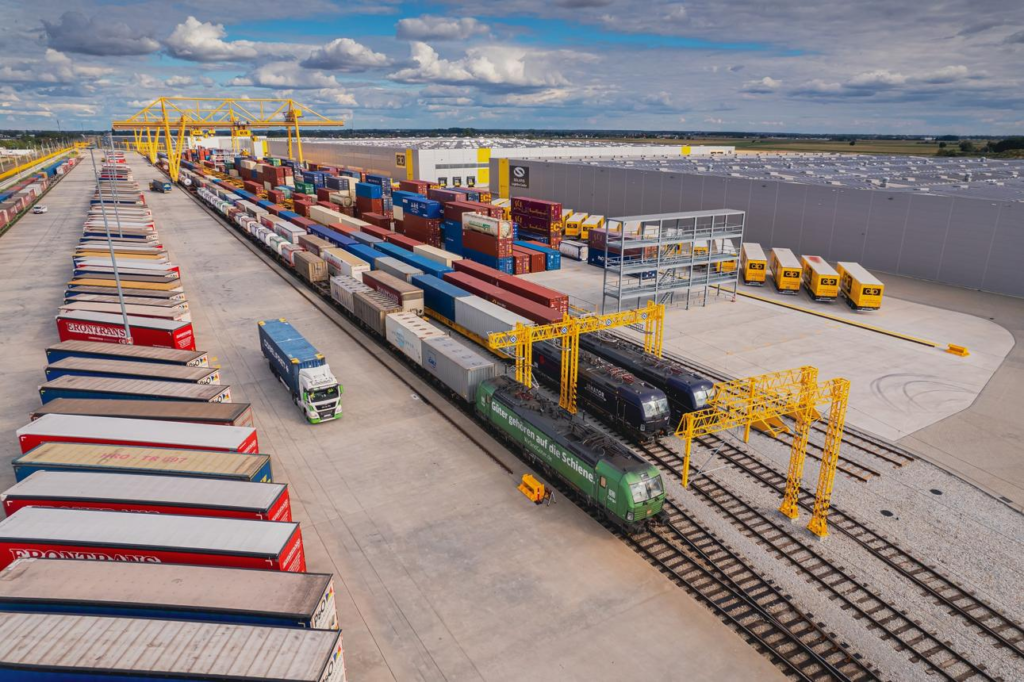
Case Study: Rail Freight Peak Season Capacity Guarantee for Retail Inventory
🚆 China-Europe Rail Capacity Planning During Peak Demand
📍 Origin → Destination
Yiwu, China → Duisburg, Germany
📦 Cargo
Consumer electronics and retail products
⏱ Transit Time
16–18 days
💰 Cost Impact
Approximately 30% lower than air freight during peak season demand
🚆 Transportation Method
China-Europe Railway Express + European last-mile trucking
🛃 Customs Clearance Details
Commercial documents checked before departure
HS codes verified in advance
Import clearance preparation completed before arrival
⚠️ Challenge
The retailer needed stable inventory replenishment during a high-demand sales period. However, limited railway capacity created risks of shipment delays and stock shortages.
✅ Solution
Reserved rail capacity six weeks before departure
Used flexible departure schedules
Coordinated customs clearance and final delivery plans early
📈 Result
Maintained stable inventory supply
Avoided peak season booking delays
Improved overall supply chain reliability
Conclusion
Rail freight peak season capacity guarantee is essential for companies that require stable international transportation during high-demand periods. Moreover, early booking, accurate documentation, flexible routing, and professional logistics coordination can significantly reduce shipment risks.
Furthermore, businesses should treat peak season rail planning as a strategic supply chain activity instead of a temporary shipping decision. By forecasting demand, reserving capacity early, and preparing backup solutions, companies can achieve more predictable delivery performance.
Therefore, investing in rail freight peak season capacity guarantee helps global businesses maintain reliable cargo movement while controlling transportation costs.
Contact our logistics specialists to secure your peak season transportation plan.
FAQ:
Q1.How early should companies book rail freight during peak season?
Companies should usually reserve rail capacity 4–8 weeks before shipment. However, high-volume cargo may require earlier planning to secure preferred routes and schedules.
Q2.Is rail freight more cost-effective than air freight during peak seasons?
Yes. Rail freight usually provides lower costs than air freight while maintaining faster delivery than ocean shipping, making it suitable for urgent inventory needs.
Q3.What transportation methods support rail freight peak season capacity guarantee?
Businesses can combine rail freight with trucking, warehouse solutions, and multimodal transportation to improve flexibility and reduce delivery risks.
Q4.What documents are needed for peak season rail shipments?
Common documents include commercial invoices, packing lists, railway waybills, customs declarations, and accurate HS code information for smooth clearance.
Q5.How can companies select the right rail freight provider?
Companies should evaluate providers based on railway network coverage, booking capability, customs support, tracking systems, and experience managing peak season shipments.