

- By Jaxin
- July 10, 2026
- Amazon FBA
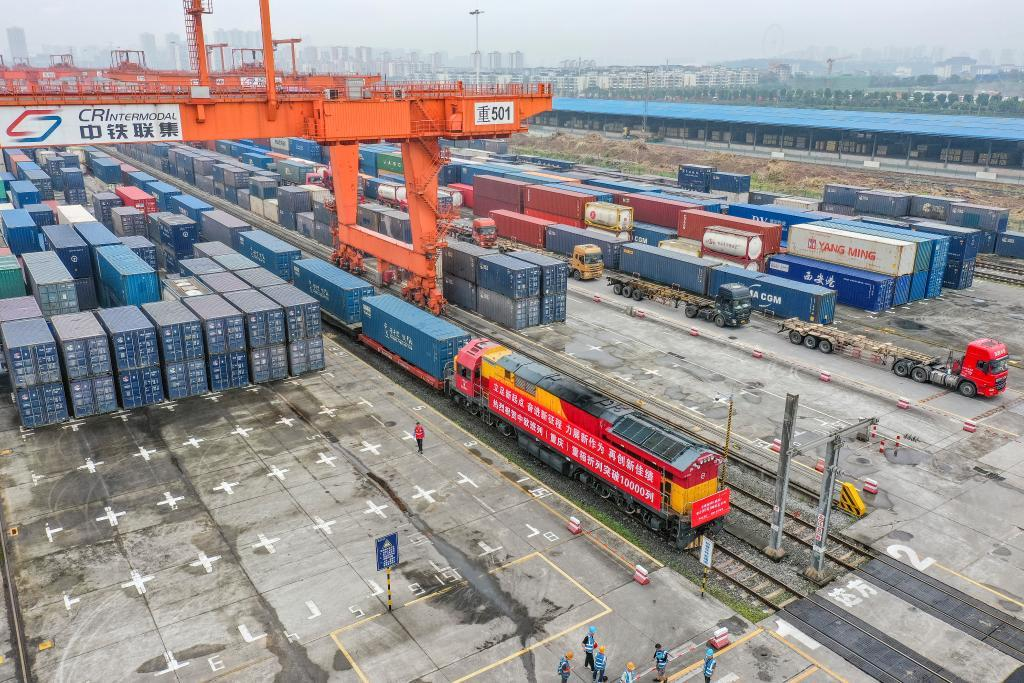
Why is my rail freight shipment delayed at customs is a common problem faced by importers using China-Europe rail freight services. A shipment may arrive at a border terminal on schedule, but customs clearance issues can prevent cargo from moving to the final destination.
Moreover, customs delays can increase transportation costs through storage fees, inspection charges, and inventory shortages. Therefore, understanding the reasons behind customs holds and preparing solutions in advance can help businesses maintain stable international supply chains.
This article explains the main causes of rail freight customs delays, required documents, prevention methods, and practical solutions to keep cargo moving efficiently.

Why Is My Rail Freight Shipment Delayed at Customs Because of Documents?
Documentation errors are one of the most frequent reasons why rail freight shipments are delayed during customs clearance. Furthermore, customs authorities use shipping documents to verify cargo details, product classification, and import compliance.
Even minor inconsistencies between documents can trigger additional reviews. Therefore, exporters should complete a detailed document inspection before cargo departure.
| Document | Purpose | Common Delay Issue |
|---|---|---|
| Commercial Invoice | Shows cargo value and transaction details | Incorrect product value |
| Packing List | Confirms quantity and weight | Weight mismatch |
| Rail Waybill | Provides transportation information | Incorrect consignee details |
| Certificate of Origin | Confirms product origin | Missing certification |
| Customs Declaration | Supports import clearance | Incorrect declaration data |
Additionally, importers should ensure that product descriptions match the actual cargo. For example, vague descriptions such as “parts” or “equipment” may lead customs officers to request further clarification.
How to Prevent Document-Related Delays
- Check all shipping documents before departure
- Confirm importer information
- Review product descriptions carefully
- Prepare certificates required by destination countries
How Do Incorrect HS Codes Delay Rail Freight Customs Clearance?
Incorrect HS codes are another major reason behind rail freight customs delays. Customs authorities use HS classification to determine import duties, restrictions, and inspection requirements.
Moreover, different product categories may require specific certificates or approvals. Consequently, incorrect classification can cause customs rejection or additional inspection procedures.
| HS Code Problem | Possible Result | Recommended Solution |
| Wrong classification | Manual customs review | Professional HS code verification |
| Missing product details | Clearance delay | Provide technical specifications |
| Incorrect tariff category | Duty adjustment | Review customs requirements |
Furthermore, products such as electronics, machinery, batteries, and industrial equipment often receive stricter inspections.
Therefore, businesses should confirm HS codes before shipment instead of correcting problems after cargo arrives at the border.
What Customs Inspection Problems Can Delay Rail Freight Shipments?
Customs inspections are designed to ensure imported goods meet local regulations. However, when cargo requires additional verification, clearance time can increase significantly.
Additionally, inspection risks are higher when customs officers identify unusual shipment information or compliance concerns.
| Inspection Type | Average Delay Time | Main Cause |
| Document Review | 1–3 days | Information verification |
| Physical Cargo Inspection | 3–7 days | Cargo examination |
| Compliance Review | 5–14 days | Missing certificates |
Moreover, customs inspections may happen because of:
- Incorrect product descriptions
- Abnormal declared value
- Missing import permits
- Previous compliance problems
Therefore, companies should prepare complete product information before rail transportation begins.
Practical Ways to Reduce Inspection Risks
- Provide accurate cargo descriptions
- Submit complete documentation
- Check destination country regulations
- Work with experienced customs specialists
How Can Freight Forwarders Solve Rail Freight Customs Delays?
When a rail shipment is held by customs, fast communication is essential. Moreover, professional freight forwarders can coordinate between exporters, importers, customs brokers, and railway operators.
A reliable logistics partner can help identify the real cause of the delay and provide solutions.
| Service | Benefit |
| Document review | Reduces clearance mistakes |
| Customs broker coordination | Improves communication speed |
| Shipment monitoring | Finds delay points quickly |
| Compliance support | Prevents repeated problems |
Additionally, experienced freight providers can assist with:
- Customs declaration correction
- Import document preparation
- Border inspection coordination
- Duty calculation verification
Therefore, selecting a logistics partner with China-Europe rail freight experience can significantly reduce customs-related risks.
Why Is My Rail Freight Shipment Delayed at Customs During Peak Shipping Seasons?
Peak shipping seasons often increase customs processing times. During periods such as Black Friday preparation, Christmas inventory replenishment, and pre-Chinese New Year exports, customs authorities face significantly higher cargo volumes.
Consequently, even compliant shipments may experience delays because customs resources become stretched. Meanwhile, border terminals and rail hubs can become congested, creating additional waiting time.
| Season | Typical Impact | Potential Delay |
|---|---|---|
| Q3 Peak Season | High export volume | 1–3 days |
| Q4 Holiday Season | Heavy import demand | 3–7 days |
| Pre-Chinese New Year | Export surge | 2–5 days |
| Promotional Events | Inventory replenishment | 1–4 days |
How to Reduce Peak Season Customs Risks
- Book rail freight capacity early
- Submit customs documents before cargo departure
- Monitor customs status proactively
- Maintain communication with freight forwarders
Furthermore, businesses should build buffer time into their supply chain planning during peak logistics periods.
Case Study: Rail Freight Shipment Delayed at European Customs
Customs Clearance Recovery Card
| Item | Details |
| Route | Shenzhen, China → Hamburg, Germany |
| Cargo | Electronic components |
| Transit Time | Planned: 18 days / Actual: 23 days |
| Cost Impact | Extra storage and handling fees occurred |
| Transportation Method | China-Europe Railway Express + Truck Delivery |
| Customs Clearance Details | Shipment was delayed due to HS code verification and additional product information requirements |
| Brief Overview | The importer experienced a customs hold after arrival. The logistics team reviewed documents, updated product classification information, and coordinated with customs authorities to complete clearance. |
Can Customs Compliance Issues Cause Rail Freight Delays?
Yes, customs compliance issues are among the most serious causes of rail freight delays. Unlike documentation mistakes, compliance problems often require additional reviews before cargo can be released.
Moreover, some products must comply with local regulations regarding safety, labeling, environmental standards, or certification requirements.
| Compliance Issue | Possible Consequence |
| Missing CE certification | Customs hold |
| Incorrect product labeling | Additional inspection |
| Restricted goods declaration errors | Cargo detention |
| Missing import permits | Clearance rejection |
Therefore, companies shipping electronics, machinery, automotive parts, medical products, or industrial equipment should verify destination-country regulations before shipment.
Common Compliance Documents
- CE Certificates
- Test Reports
- Product Specifications
- Import Licenses
- Safety Certifications
Additionally, working with customs experts before shipping can significantly reduce compliance-related risks.
Conclusion
Understanding why is my rail freight shipment delayed at customs is essential for maintaining a reliable international supply chain. In most cases, customs delays result from documentation errors, incorrect HS codes, inspections, compliance issues, or seasonal congestion.
However, these challenges can often be prevented through proper preparation and professional logistics support. Moreover, businesses that review documents carefully, verify customs requirements, and work with experienced freight forwarders can significantly reduce customs-related disruptions and keep cargo moving efficiently.
- Consult Ali China Freight Forwarding for the lowest quote. They will provide you with reliable, cost-effective service.
FAQs
Q1.Why is my rail freight shipment delayed at customs even when all documents are submitted?
Customs may perform random inspections, compliance reviews, or cargo verification checks. Even accurate documentation cannot completely eliminate customs examinations.
Q2.How long does customs clearance normally take for China-Europe rail freight?
Most rail freight shipments clear customs within 1–5 days. However, inspections, missing certificates, or peak-season congestion can extend processing times.
Q3.Can incorrect HS codes cause customs penalties?
Yes. Incorrect HS codes can trigger customs reviews, duty adjustments, or additional inspections, resulting in longer clearance times and higher costs.
Q4.What is the fastest way to resolve a rail freight customs delay?
Identify the exact issue quickly, provide missing documents, and work closely with customs brokers or freight forwarders to accelerate clearance.
Q5.Are customs inspections common for rail freight shipments?
Yes. Customs inspections are a normal part of international trade. Accurate documentation and strong compliance records can help reduce inspection risks.