

- By Jaxin
- July 16, 2026
- export-to-China
Introduction
Rail freight forwarding for textile and garment exporters is becoming an increasingly valuable logistics solution for companies serving international fashion brands, wholesalers, and retail chains. However, textile supply chains often face tight delivery schedules, seasonal demand fluctuations, and rising transportation costs. As a result, exporters need a shipping method that balances speed, reliability, and affordability.
Meanwhile, delayed deliveries can lead to missed sales opportunities and inventory shortages. Therefore, many garment manufacturers and textile suppliers are incorporating rail freight into their export strategies. This article explains how rail freight forwarding helps textile and garment exporters improve delivery performance, manage seasonal demand, and strengthen international supply chains.
Why Is Rail Freight Forwarding for Textile and Garment Exporters Growing in Popularity?
The fashion industry depends heavily on timely product availability. Therefore, exporters must choose transportation solutions that support consistent replenishment and predictable delivery schedules.
Compared with traditional shipping options, rail freight offers a practical balance between transit time and cost.
Transportation Comparison for Textile Exports
| Transport Mode | Transit Time | Cost Level | Best Application |
|---|---|---|---|
| Air Freight | 3–7 Days | High | Urgent orders |
| Ocean Freight | 30–45 Days | Low | Bulk shipments |
| Rail Freight | 15–25 Days | Medium | Seasonal inventory |
Furthermore, rail freight provides more stable transit schedules than ocean shipping during peak seasons.
Textile Products Commonly Shipped by Rail
- Fashion apparel
- Sportswear
- Home textiles
- Fabric rolls
- Knitwear
- Garment accessories
Consequently, many exporters use rail freight to bridge the gap between expensive air freight and slower ocean transportation.
How Can Rail Freight Forwarding for Textile and Garment Exporters Support Seasonal Inventory Planning?
Fashion and textile businesses often experience significant demand fluctuations throughout the year. Therefore, inventory planning becomes a critical factor in maintaining profitability.
Rail freight allows exporters to position inventory closer to destination markets without incurring the high costs associated with air transportation.
Common Seasonal Shipping Periods
| Season | Typical Demand Increase |
|---|---|
| Spring Collections | January–March |
| Summer Products | March–May |
| Back-to-School | June–August |
| Holiday Sales | September–November |
Moreover, rail transportation enables businesses to replenish inventory faster than ocean freight.
Benefits for Seasonal Inventory Management
- Faster stock replenishment
- Improved inventory turnover
- Better demand forecasting
- Reduced stockout risks
As a result, exporters can respond more effectively to changing market conditions.
What Advantages Does Rail Freight Forwarding Offer for Garment Supply Chains?
Textile products are generally lightweight but often shipped in high volumes. Therefore, transportation efficiency directly impacts supply chain performance.
Supply Chain Benefits
| Benefit | Business Impact |
|---|---|
| Predictable Transit Times | Better order planning |
| Stable Capacity | Improved delivery reliability |
| Lower Transportation Costs | Increased profitability |
| Reduced Inventory Risk | Better cash flow |
Furthermore, rail freight supports long-term partnerships between exporters and overseas buyers by improving delivery consistency.
Supporting Retail Distribution
Many garment exporters serve multiple retailers across different countries. Consequently, reliable transportation helps maintain inventory levels throughout the distribution network.
Additionally, rail freight can support both full-container and consolidated shipments, providing flexibility for different order sizes.

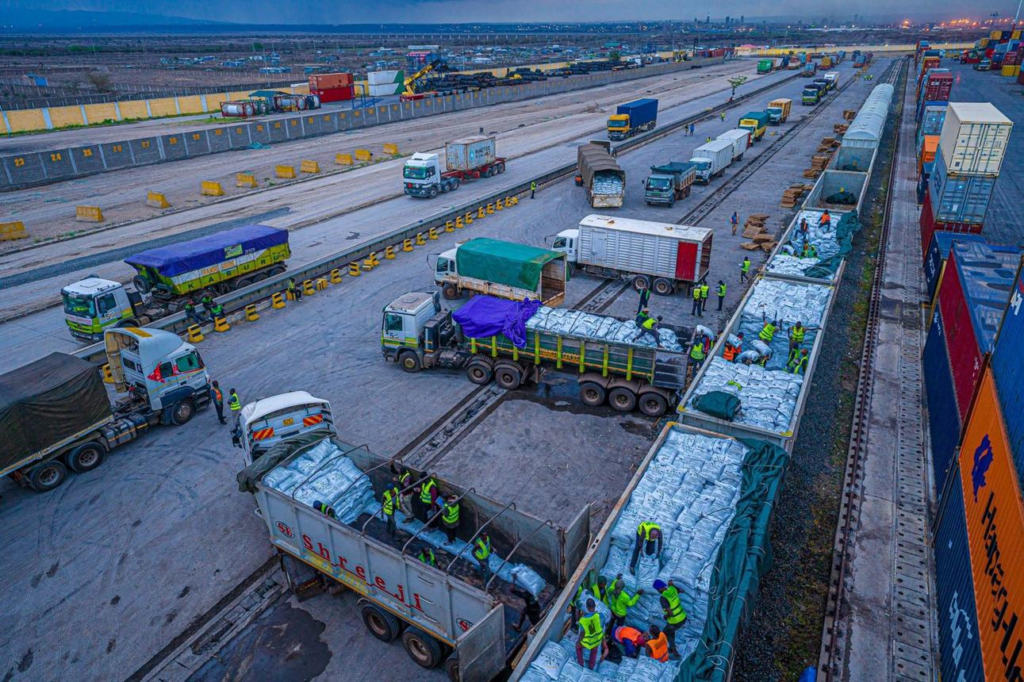
Rail Freight Forwarding for Textile and Garment Exporters Case Study
Project Card
Origin:
Suzhou, China → Duisburg, Germany
Cargo:
Seasonal fashion apparel, knitwear, and garment accessories
Transit Time:
18 Days Rail Transit + 2 Days Local Distribution
Cost:
Approximately 40% lower than comparable air freight solutions
Transportation Method:
China-Europe Rail Freight + Regional Truck Delivery
Customs Clearance:
Commercial invoice, packing list, and import documentation prepared before departure
Overview:
A garment exporter needed to replenish seasonal inventory for multiple European retail customers before a major promotional period. Ocean freight could not meet the required timeline, while air freight exceeded the available budget.
How Can Rail Freight Forwarding for Textile and Garment Exporters Reduce Logistics Costs?
Transportation costs represent a significant portion of overall export expenses. Therefore, exporters continuously seek opportunities to improve efficiency.
Rail freight offers a cost-effective alternative when delivery speed is important but air freight is not economically viable.
Cost Comparison Example
| Transport Mode | Relative Cost |
|---|---|
| Air Freight | Highest |
| Rail Freight | Medium |
| Ocean Freight | Lowest |
Moreover, rail freight reduces the need for emergency shipments caused by long ocean transit times.
Cost Optimization Strategies
- Consolidate multiple orders
- Improve carton utilization
- Plan shipments earlier
- Coordinate seasonal production schedules
- Use multimodal delivery solutions
Consequently, exporters can reduce overall logistics spending while maintaining service quality.
Which Rail Routes Are Most Common for Textile and Garment Exports?
Route selection influences both transit time and delivery reliability. Therefore, choosing the right corridor is essential.
Popular Rail Export Routes
| Route | Typical Transit Time |
|---|---|
| China – Germany | 16–22 Days |
| China – Poland | 14–20 Days |
| China – Netherlands | 18–24 Days |
| China – Hungary | 18–25 Days |
Furthermore, different routes may provide advantages depending on the final destination and distribution network.
Route Selection Factors
Exporters should evaluate:
- Delivery deadlines
- Destination market
- Customs procedures
- Rail network capacity
- Final delivery requirements
Therefore, route planning should align with both transportation goals and customer expectations.
Conclusion
Rail freight forwarding for textile and garment exporters provides an effective balance between delivery speed, transportation cost, and supply chain reliability. Moreover, it helps businesses manage seasonal demand, improve inventory planning, and maintain stronger relationships with international buyers.
By optimizing shipment schedules, selecting suitable rail routes, and coordinating inventory replenishment strategies, textile exporters can create a more resilient and competitive global supply chain.
👉 Need professional rail freight forwarding for textile and garment exporters?
FAQs
Q1: Is rail freight suitable for textile and garment exports?
Yes. Rail freight is ideal for apparel, fabrics, home textiles, and garment accessories because it provides a balance between cost and transit time.
Q2: How long does rail freight take for textile exports?
Most international rail shipments take approximately 15–25 days, depending on the route and destination country.
Q3: Can rail freight help with seasonal inventory replenishment?
Absolutely. Rail transportation allows exporters to replenish stock faster than ocean freight while avoiding the high costs of air freight.
Q4: Is rail freight more affordable than air freight for garments?
Yes. Rail freight is generally much more cost-effective than air freight, especially for large-volume shipments.
Q5: Can textile exporters ship consolidated cargo by rail?
Yes. Many freight forwarders offer consolidation services that combine multiple orders into a single shipment to improve efficiency.