

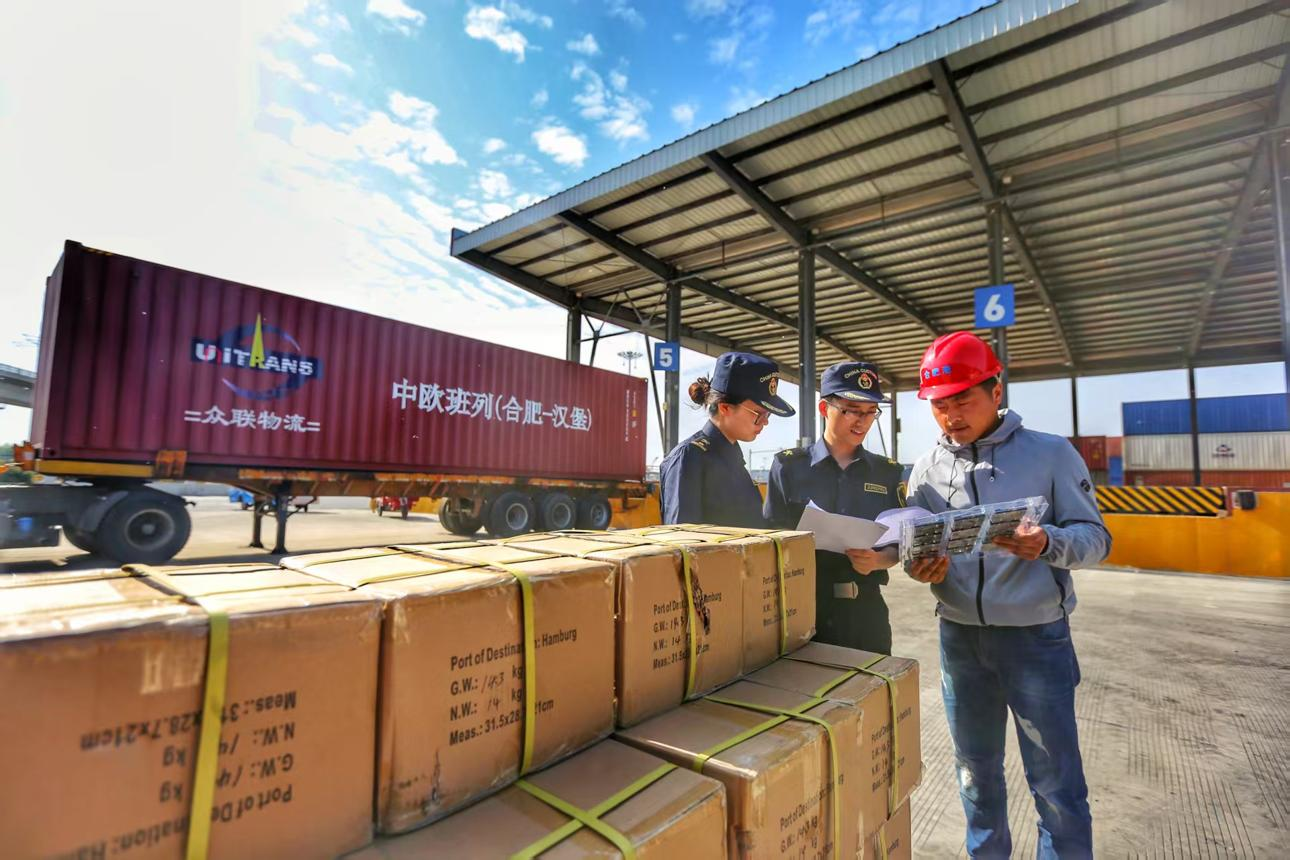
Rail freight import compliance for European distributors is essential for ensuring smooth cargo movement, faster customs clearance, and reliable supply chain operations. Many European distributors depend on China-Europe rail freight to replenish inventory, but incorrect documents, customs errors, and regulatory issues can create unexpected delays.
Moreover, European import regulations require businesses to manage customs declarations, product classifications, and compliance documentation carefully. Therefore, distributors must prepare compliance procedures before cargo leaves the origin country.
This guide explains the key import compliance requirements for European rail freight shipments and provides practical strategies to reduce customs risks.

What Is Rail Freight Import Compliance for European Distributors?
Rail freight import compliance refers to the procedures required to ensure imported goods meet European customs, safety, and regulatory requirements.
For European distributors, compliance involves more than customs declaration. Moreover, it includes product classification, documentation accuracy, import responsibilities, and delivery coordination.
Key Compliance Areas
| Compliance Area | Purpose |
|---|---|
| HS Code Classification | Correct duty calculation |
| Customs Documentation | Smooth cargo release |
| Product Regulations | Meet EU requirements |
| Importer Information | Identify responsible party |
| Cargo Labeling | Support inspection |
Therefore, proper compliance preparation reduces shipment risks before cargo reaches Europe.
Why Is Compliance Important?
Additionally, non-compliant shipments may experience:
- Customs inspections
- Cargo release delays
- Additional storage fees
- Import penalties
NOTE:Compliance management directly affects logistics efficiency and cost control.
What Risks Can European Distributors Avoid Through Better Import Planning?
European distributors often operate with strict inventory schedules. Therefore, customs delays can quickly affect warehouse availability and customer deliveries.
Common Import Compliance Problems
| Issue | Business Impact |
|---|---|
| Incorrect HS Code | Wrong duty calculation |
| Missing Documents | Customs clearance delay |
| Product Regulation Issues | Shipment hold |
| Incorrect Invoice Data | Additional verification |
Moreover, these problems often happen because compliance checks are started too late.
How Can Distributors Reduce Risks?
Additionally, businesses should:
- Review requirements before shipping
- Confirm product classification
- Prepare documents early
- Work with experienced freight partners
Therefore, proactive compliance planning helps maintain predictable delivery schedules.
How Do Customs Documents Affect Rail Freight Import Compliance for European Distributors?
Documentation accuracy is one of the most important factors affecting customs clearance.
Required Import Documents
| Document | Function |
|---|---|
| Commercial Invoice | Declares shipment value |
| Packing List | Provides cargo details |
| Rail Waybill | Transportation proof |
| Certificate of Origin | Confirms product origin |
| Import Declaration | Customs clearance |
Moreover, inconsistent information between documents can trigger additional customs checks.
Best Practices for Document Preparation
Furthermore, distributors should:
- Verify product descriptions
- Confirm consignee information
- Match invoice and packing data
- Prepare customs files before arrival
As a result, customs authorities can process shipments more efficiently.
How Do HS Codes Influence European Rail Freight Compliance?
HS code accuracy directly affects customs duties, regulations, and import approval.
Common HS Code Problems
| Problem | Result |
|---|---|
| Incorrect Classification | Customs review |
| Generic Description | Additional verification |
| Missing Product Details | Clearance delays |
Moreover, incorrect HS codes may lead to unexpected costs after cargo arrival.
How Can Businesses Improve HS Code Accuracy?
Additionally:
- Provide detailed product descriptions
- Verify classification before shipping
- Review EU tariff requirements
- Consult customs professionals when needed
Therefore, accurate classification reduces compliance risks.
How Can European Distributors Prepare for Product Compliance Requirements?
Customs compliance is not limited to documents. Moreover, many product categories must meet European safety and regulatory standards.
Products Commonly Requiring Additional Compliance
| Product Category | Possible Requirement |
|---|---|
| Electronics | Safety certification |
| Machinery | Technical documentation |
| Consumer Goods | Labeling requirements |
| Chemicals | Regulatory approval |
Additionally, distributors should confirm requirements before importing.
Recommended Compliance Process
- Identify applicable regulations
- Prepare technical documents
- Confirm labeling requirements
- Complete compliance checks before shipment
Consequently, businesses can avoid unexpected customs issues.
How Can Freight Forwarders Improve European Rail Import Compliance?
Experienced freight forwarders help distributors manage complex import procedures and reduce compliance risks.
Key Support Services
| Service | Benefit |
|---|---|
| Customs Review | Reduce declaration errors |
| HS Code Validation | Improve classification accuracy |
| Document Checking | Prevent missing paperwork |
| Shipment Tracking | Improve visibility |
Moreover, professional support helps businesses handle changing European regulations.
What Should Distributors Look For?
Additionally, choose providers with:
- China-Europe rail experience
- European customs knowledge
- Multimodal delivery capability
- Compliance management services
Therefore, the right logistics partner improves shipment reliability.
Case Study: Improving Rail Freight Import Compliance for European Distributors
| Item | Details |
|---|---|
| Origin & Destination | Shenzhen, China → Hamburg, Germany |
| Cargo | Consumer electronics |
| Transit Time | 17 days |
| Cost | Reduced delay-related expenses by improving clearance preparation |
| Transportation Method | China-Europe rail freight + European trucking |
| Customs Clearance | HS code review and document verification completed before arrival |
| Brief Overview | A European distributor optimized import procedures before shipment departure, reducing customs inspection risks and improving warehouse delivery efficiency. |
How Can European Distributors Build a Long-Term Rail Freight Compliance Strategy?
Import compliance should be treated as an ongoing supply chain process rather than a one-time check.
Long-Term Compliance Strategies
| Strategy | Benefit |
|---|---|
| Regular Document Review | Fewer errors |
| Supplier Communication | Better shipment preparation |
| Compliance Monitoring | Adapt to regulation changes |
| Partner Evaluation | More reliable logistics |
Moreover, continuous improvement helps distributors reduce operational risks.
Practical Preparation Checklist
Before each shipment, verify:
- HS codes
- Product requirements
- Customs documents
- Delivery arrangements
- Import responsibilities
Therefore, businesses can create a more stable international supply chain.
Conclusion
Rail freight import compliance for European distributors is essential for avoiding customs delays, reducing logistics costs, and maintaining reliable inventory supply. Moreover, accurate documentation, correct HS codes, and proactive compliance planning help distributors achieve smoother China-Europe rail freight operations.
By working with experienced logistics partners and establishing clear import procedures, European distributors can reduce risks and improve long-term supply chain performance.

FAQ:
Q1.What documents are required for European rail freight imports?
Common documents include commercial invoices, packing lists, rail waybills, certificates of origin, and customs declarations.
Q2.How do HS codes affect rail freight imports?
HS codes determine customs duties, regulations, and clearance requirements. Incorrect classification may cause delays or additional costs.
Q3.Can freight forwarders help with European import compliance?
Yes. Experienced providers can review documents, validate HS codes, and coordinate customs clearance procedures.
Q4.How long does rail freight customs clearance take in Europe?
Clearance times vary, but accurate documents and early preparation can significantly reduce processing delays.
Q5.Which European distributors benefit most from rail freight compliance services?
Retailers, electronics companies, industrial suppliers, and manufacturers with regular China-Europe imports often benefit most.