

- By Jaxin
- July 14, 2026
- Amazon FBA
Introduction
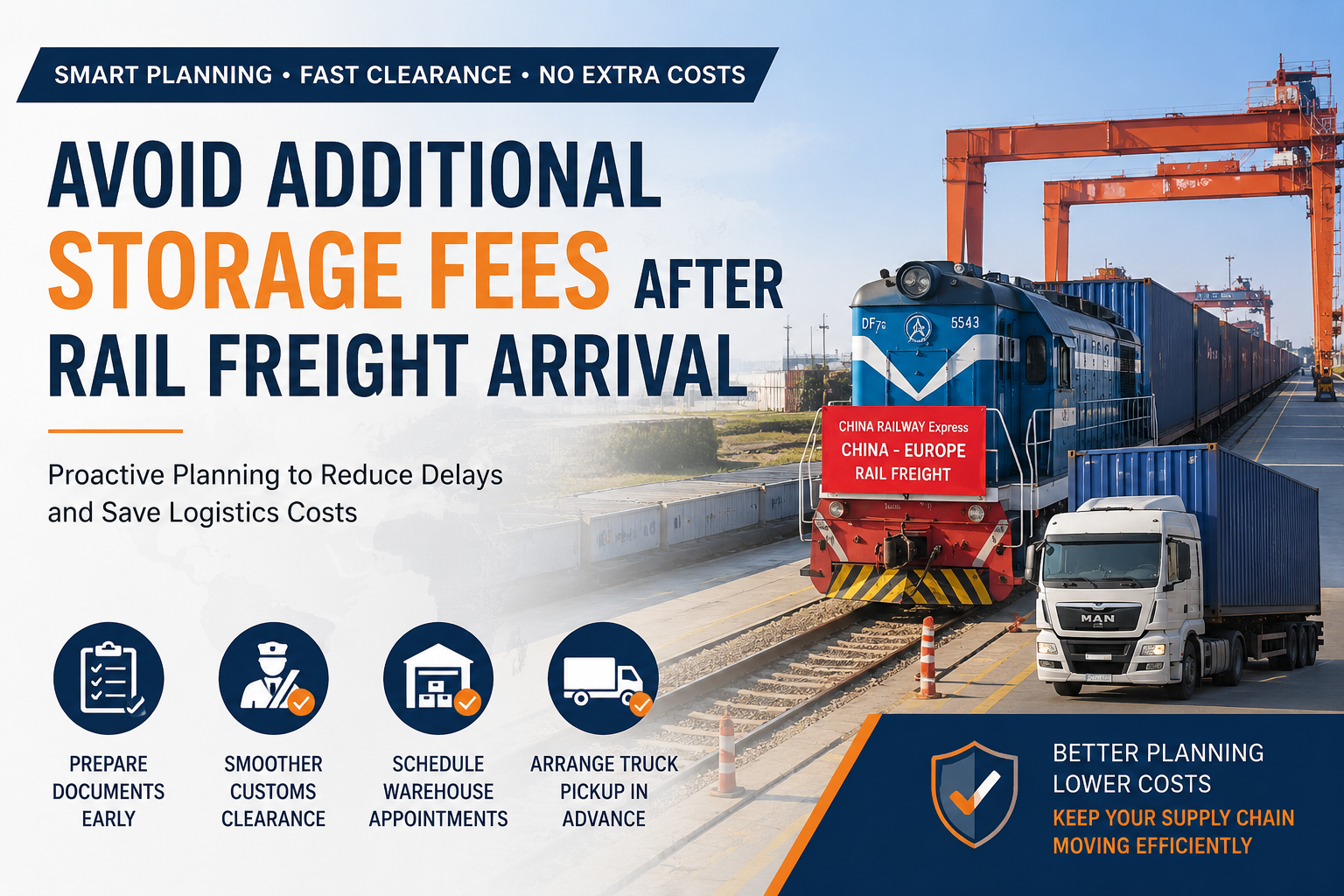
Avoid additional storage fees after rail freight arrival is a major concern for importers, retailers, and manufacturers using international rail freight services. While rail transportation can reduce transit times and logistics costs, delays after cargo arrival often lead to unexpected storage charges at terminals, customs facilities, or warehouses.
Moreover, even a few days of delay can significantly increase logistics expenses. Therefore, businesses must prepare customs documents, delivery arrangements, and warehouse appointments before cargo reaches its destination.
This guide explains the common causes of storage fees and provides practical strategies to prevent unnecessary charges after rail freight arrival.
What Causes Additional Storage Fees After Rail Freight Arrival?
Storage fees occur when cargo remains at a terminal, rail yard, bonded warehouse, or customs facility longer than the free storage period allows.
Common Reasons for Storage Charges
| Cause | Potential Result |
|---|---|
| Customs Delays | Extended cargo holding |
| Missing Documents | Cargo release delays |
| Warehouse Appointment Issues | Delivery postponement |
| Consignee Communication Delays | Pickup failures |
| Trucking Capacity Shortages | Terminal storage fees |
Moreover, these issues often occur simultaneously, increasing costs rapidly.
Why Do Storage Costs Increase Quickly?
Additionally, many terminals apply daily storage charges after free-time periods expire.
Therefore, even short delays can generate significant unexpected expenses.
How Can Customs Preparation Help Avoid Additional Storage Fees After Rail Freight Arrival?
Customs clearance delays are among the most common causes of storage charges.
Documents That Should Be Prepared Early
| Document | Purpose |
|---|---|
| Commercial Invoice | Customs valuation |
| Packing List | Cargo verification |
| Certificate of Origin | Trade compliance |
| Import License | Regulatory approval |
| Customs Declaration | Border clearance |
Moreover, customs authorities often require consistent information across all documents.
Best Practices for Faster Customs Release
Additionally:
- Verify HS codes before shipment
- Submit documents in advance
- Review consignee details carefully
- Confirm import requirements
Consequently, cargo can be released more quickly after arrival.
Why Is Warehouse Appointment Scheduling Critical After Rail Freight Arrival?
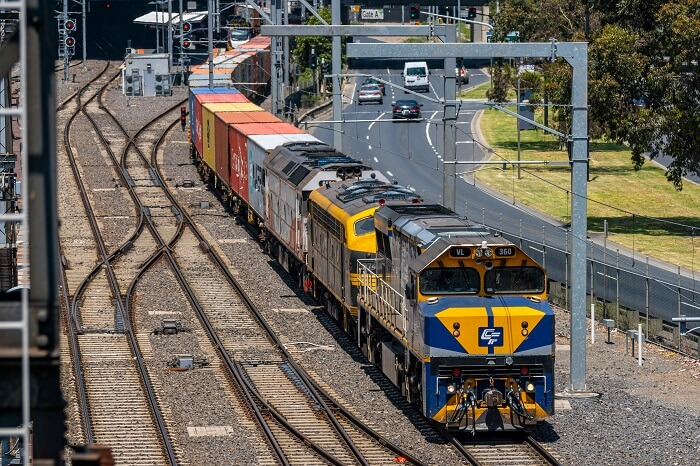
Many warehouses and distribution centers operate on appointment-based receiving systems. Therefore, failing to secure a delivery slot can create storage problems.
Common Warehouse Scheduling Challenges
| Issue | Impact |
|---|---|
| No Appointment Available | Delivery delay |
| Missed Delivery Window | Rescheduling required |
| Incomplete Receiving Information | Cargo rejection |
| Peak Season Congestion | Longer waiting periods |
Moreover, warehouse delays often lead directly to terminal storage charges.
How Can Businesses Prevent Appointment Problems?
Additionally, companies should:
- Book receiving slots early
- Confirm delivery requirements
- Coordinate arrival schedules
- Maintain communication with warehouses
Therefore, shipments move smoothly from terminal to destination.
How Can Final Truck Delivery Planning Reduce Storage Fees?
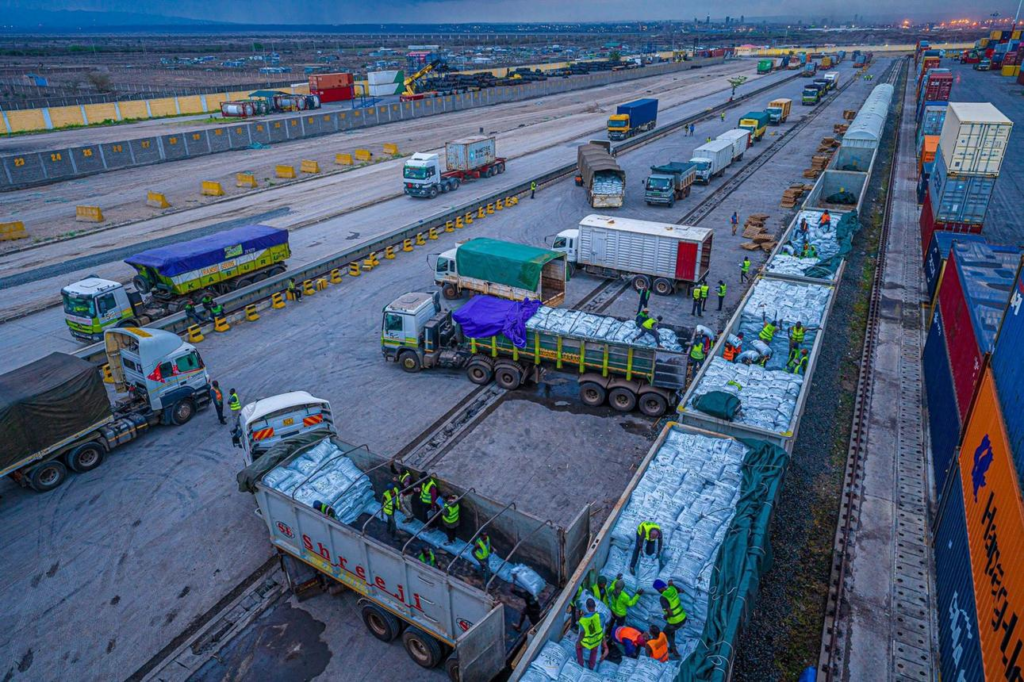
Final-mile transportation plays a critical role in preventing cargo from sitting idle after rail arrival.
Why Does Truck Availability Matter?
| Delivery Factor | Risk if Delayed |
|---|---|
| Truck Capacity | Cargo remains at terminal |
| Driver Availability | Missed pickup windows |
| Route Planning | Delivery delays |
| Documentation | Pickup restrictions |
Moreover, trucking shortages can become severe during peak seasons.
How Can Businesses Improve Delivery Efficiency?
Furthermore:
- Arrange trucking before cargo arrival
- Monitor terminal schedules
- Prepare delivery instructions early
- Use experienced logistics providers
As a result, cargo spends less time in storage facilities.
How Does Communication Help Avoid Additional Storage Fees After Rail Freight Arrival?
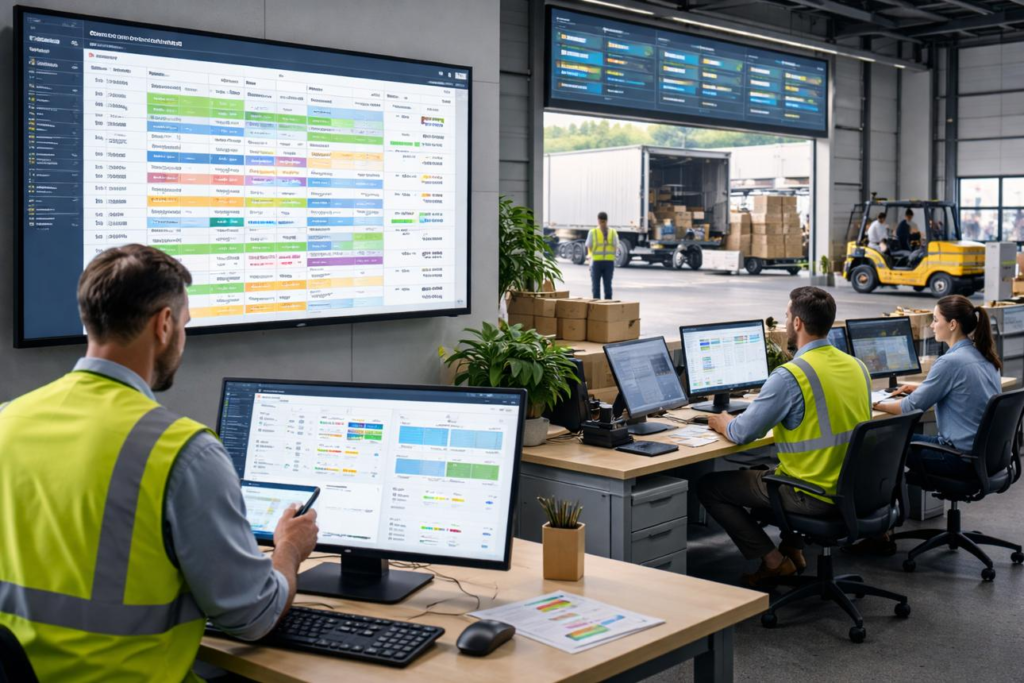
Communication gaps frequently cause preventable delays. Therefore, all stakeholders should receive shipment updates before cargo arrives.
Key Parties That Must Stay Informed
| Stakeholder | Responsibility |
|---|---|
| Importer | Cargo instructions |
| Customs Broker | Clearance processing |
| Warehouse | Receiving preparation |
| Trucking Company | Pickup scheduling |
| Freight Forwarder | Shipment coordination |
Moreover, real-time communication helps resolve issues before they become costly.
What Information Should Be Shared?
Additionally:
- Estimated arrival times
- Customs status updates
- Warehouse appointment details
- Truck dispatch schedules
Consequently, cargo transitions more efficiently through the supply chain.
Case Study: How an Importer Avoided Additional Storage Fees After Rail Freight Arrival
| Item | Details |
|---|---|
| Origin & Destination | Qingdao, China → Rotterdam, Netherlands |
| Cargo | Retail household products |
| Transit Time | 20 days rail transit |
| Cost Risk | Potential terminal storage fees during peak season |
| Transportation Method | Rail freight + final truck delivery |
| Customs Clearance | Documents submitted before arrival |
| Brief Overview | Warehouse appointments and trucking capacity were secured one week before cargo arrival, allowing same-day terminal pickup and avoiding storage charges. |
How Can Businesses Calculate the Cost of Storage Delays?
Understanding potential storage expenses helps companies evaluate the importance of proactive planning.
Typical Cost Impact
| Delay Duration | Potential Cost Impact |
|---|---|
| 1–2 Days | Low |
| 3–5 Days | Moderate |
| 6–10 Days | High |
| More Than 10 Days | Significant |
Moreover, storage fees often increase alongside trucking rescheduling and inventory disruption costs.
Why Prevention Is More Cost-Effective
Furthermore, investing in proper planning usually costs far less than paying storage fees and dealing with delivery disruptions.
As a result, proactive logistics management delivers measurable financial benefits.
What Steps Should Businesses Take Before Rail Freight Arrival?
Preparation before arrival is the most effective way to avoid additional charges.
Pre-Arrival Checklist
- Confirm customs documents
- Schedule warehouse appointments
- Arrange trucking capacity
- Verify consignee information
- Monitor shipment status
- Prepare cargo release instructions
Moreover, early planning allows businesses to respond quickly if unexpected issues arise.
Therefore, companies that prepare in advance are far more likely to avoid additional storage fees after rail freight arrival.
Conclusion
Avoid additional storage fees after rail freight arrival by focusing on customs preparation, warehouse scheduling, trucking coordination, and proactive communication. Moreover, early planning helps businesses reduce unnecessary logistics expenses and improve supply chain efficiency.
By working closely with freight forwarders, customs brokers, and delivery partners, importers can accelerate cargo release and minimize the risk of costly storage charges after shipment arrival.
Need help managing cargo after rail freight arrival? Our specialists can coordinate customs clearance, terminal pickup, trucking, and warehouse delivery to help you avoid additional storage fees after rail freight arrival and keep your supply chain moving efficiently.
FAQs
1. What causes storage fees after rail freight arrival?
Customs delays, warehouse appointment issues, trucking shortages, and missing documentation are among the most common causes of storage charges.
2. How long is the free storage period at rail terminals?
Free storage periods vary by terminal and service provider. Therefore, businesses should confirm policies before shipment arrival.
3. Can customs delays lead to storage fees?
Yes. If customs clearance is not completed within the free storage period, additional terminal or warehouse charges may apply.
4. How can warehouse appointment planning reduce costs?
Booking appointments early helps ensure cargo can be delivered immediately after release, reducing terminal storage time.
5. Should I arrange trucking before cargo arrives?
Yes. Pre-arranged trucking capacity helps prevent pickup delays and significantly reduces the risk of additional storage fees.