

- By Jaxin
- July 14, 2026
- Amazon FBA
Introduction
Trucking delivery from inland rail terminal to warehouse is a critical step in modern multimodal logistics. While rail freight efficiently moves cargo across long distances, goods still need reliable transportation from the destination rail terminal to the final warehouse.
Moreover, delays during the final delivery stage can offset the time savings achieved through rail transportation. Consequently, importers, distributors, and e-commerce businesses must carefully manage terminal pickup, trucking schedules, and warehouse coordination. This guide explains how inland rail terminal trucking works, what factors affect costs and transit times, and how businesses can optimize last-mile freight delivery.

Why Is Trucking Delivery from Inland Rail Terminal to Warehouse Important?
The final delivery stage directly impacts inventory availability and customer fulfillment.
Without efficient trucking arrangements, cargo may remain at the terminal, generating storage fees and unnecessary delays.
Key Benefits
| Benefit | Business Impact |
|---|---|
| Faster inventory replenishment | Reduced stockout risk |
| Flexible delivery scheduling | Better warehouse planning |
| Lower storage costs | Improved cost control |
| Direct warehouse delivery | Simplified logistics management |
Additionally, trucking provides access to locations not connected to rail infrastructure.
As a result, businesses can move cargo seamlessly from major rail hubs to regional warehouses, fulfillment centers, and retail distribution facilities.
How Does Trucking Delivery from Inland Rail Terminal to Warehouse Work?
Although the process appears straightforward, several operational steps must be coordinated.
Before Cargo Release
The consignee or freight forwarder must confirm:
- Customs clearance status
- Rail arrival notice
- Container availability
- Warehouse receiving schedule
After Cargo Release
Once cargo is available, trucking companies arrange:
| Activity | Purpose |
|---|---|
| Driver assignment | Pickup coordination |
| Container collection | Terminal release |
| Route planning | Delivery efficiency |
| Warehouse booking | Unloading appointment |
Meanwhile, communication between the terminal, trucking provider, and warehouse is essential to avoid scheduling conflicts.
Therefore, businesses should establish clear delivery procedures before cargo arrives.
What Factors Affect Trucking Delivery Costs from Inland Rail Terminals?
Several variables influence transportation expenses.
Cost Factors
| Factor | Impact on Cost |
|---|---|
| Delivery distance | Higher distance increases cost |
| Cargo weight | Heavy cargo requires larger vehicles |
| Urgency level | Expedited services cost more |
| Fuel prices | Variable transportation expenses |
| Warehouse waiting time | Additional charges may apply |
Typical Cost Comparison
| Delivery Distance | Estimated Cost Range |
|---|---|
| 0–50 km | €120–€250 |
| 50–150 km | €250–€500 |
| 150–300 km | €500–€900 |
| 300+ km | Custom quotation |
However, actual pricing depends on cargo type, destination, and regional trucking availability.
Consequently, obtaining quotes before rail arrival helps businesses avoid unexpected expenses.
Case Studies of Trucking Delivery from Inland Rail Terminal to Warehouse
Ecommerce Fulfillment Case
| Item | Details |
|---|---|
| Origin | Xi’an, China → Wroclaw, Poland |
| Cargo | Consumer electronics |
| Transit Time | 17 Days Rail + 1 Day Truck |
| Cost | €4,800 Total Transport Cost |
| Transportation Method | Rail + Final Truck Delivery |
| Customs Clearance Details | Cleared before terminal release |
| Brief Overview | Pre-arranged trucking enabled same-day pickup, reducing warehouse replenishment delays. |
Industrial Equipment Case
| Item | Details |
|---|---|
| Origin | Chengdu, China → Lyon, France |
| Cargo | Machinery components |
| Transit Time | 18 Days Rail + 2 Days Truck |
| Cost | €5,600 Total Transport Cost |
| Transportation Method | Multimodal Rail Freight |
| Customs Clearance Details | Standard import declaration |
| Brief Overview | Coordinated warehouse appointments prevented detention fees and accelerated unloading. |
Retail Distribution Case
| Item | Details |
|---|---|
| Origin | Chongqing, China → Tilburg, Netherlands |
| Cargo | Seasonal retail products |
| Transit Time | 16 Days Rail + 1 Day Truck |
| Cost | €4,950 Total Transport Cost |
| Transportation Method | Rail and Truck Combination |
| Customs Clearance Details | Cleared at destination terminal |
| Brief Overview | Fast terminal pickup helped stores receive inventory before a promotional campaign launch. |
How Can Businesses Avoid Delays in Trucking Delivery from Inland Rail Terminal to Warehouse?
Delivery delays often occur after rail transport rather than during transit.
Common Causes of Delays
| Issue | Potential Result |
|---|---|
| Customs clearance holds | Cargo release delays |
| Missing delivery appointments | Warehouse rejection |
| Driver shortages | Pickup postponement |
| Terminal congestion | Longer waiting times |
| Incorrect paperwork | Additional verification |
Delay Prevention Strategies
First, confirm warehouse receiving hours before rail arrival.
Additionally, pre-book trucking services whenever possible.
Furthermore, verify customs documentation and delivery instructions in advance.
As a result, cargo can move quickly from the terminal to the warehouse without unnecessary interruptions.
Can Multimodal Rail and Truck Solutions Improve Supply Chain Performance?
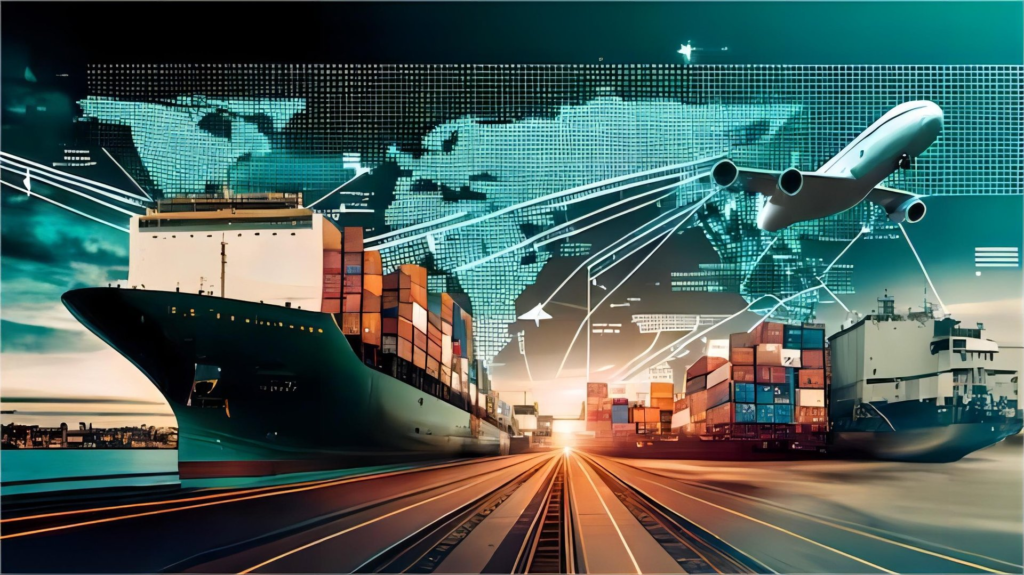
Many importers now combine rail freight and trucking to improve supply chain efficiency.
Rail + Truck vs Traditional Shipping
| Factor | Rail + Truck | Ocean Freight |
|---|---|---|
| Transit Time | Faster | Slower |
| Cost | Moderate | Lower |
| Reliability | High | Moderate |
| Inventory Planning | Easier | More Variable |
Moreover, multimodal transportation provides greater schedule predictability than many ocean shipping routes.
Best Applications
Rail and truck combinations work particularly well for:
- E-commerce inventory replenishment
- Consumer electronics
- Automotive components
- Industrial equipment
- Retail distribution
Therefore, companies seeking a balance between cost and speed often prefer multimodal solutions.
What Should You Look for in a Trucking Delivery Provider?
Selecting the right provider can significantly improve delivery reliability.
Key Evaluation Criteria
| Criteria | Importance |
|---|---|
| Rail terminal experience | High |
| Fleet availability | High |
| Tracking visibility | High |
| Customs coordination | Medium |
| Warehouse appointment management | High |
Additionally, providers should offer flexible scheduling and real-time shipment updates.
Meanwhile, businesses should evaluate service performance, response times, and regional delivery coverage.
Consequently, choosing an experienced trucking partner reduces operational risks and improves supply chain efficiency.
Conclusion
Trucking delivery from inland rail terminal to warehouse is an essential component of multimodal logistics. Although rail freight efficiently handles long-distance transportation, final warehouse delivery determines how quickly cargo becomes available for production, distribution, or retail sales. Moreover, proper planning, trucking coordination, and warehouse scheduling help businesses reduce costs and avoid unnecessary delays. By integrating reliable trucking services with rail freight operations, companies can create a more efficient and resilient supply chain.
FAQs
Q1: How long does trucking delivery from an inland rail terminal to a warehouse take?
Most deliveries are completed within one to two days. However, transit times vary depending on distance, warehouse scheduling, and local traffic conditions.
Q2: What affects trucking delivery costs after rail freight arrival?
Distance, cargo weight, fuel prices, urgency, and warehouse waiting times are the primary cost factors. Additionally, special handling requirements may increase pricing.
Q3: Can trucking be arranged before rail cargo arrives?
Yes. In fact, pre-booking trucking services often reduces delays and helps ensure immediate cargo pickup after terminal release.
Q4: Is rail plus truck delivery faster than ocean freight?
Generally, yes. Rail transportation combined with final truck delivery often provides significantly shorter transit times than traditional ocean freight routes.
Q5: How can businesses avoid terminal storage fees?
Importers should complete customs clearance promptly, schedule trucking in advance, and coordinate warehouse receiving appointments before cargo arrival.