

- By Jaxin
- July 16, 2026
- logistics process
Introduction
Railway freight logistics for energy storage battery exports has become an essential transportation solution for battery manufacturers, energy storage system suppliers, and renewable energy developers expanding into international markets. However, exporting lithium batteries and energy storage equipment involves unique challenges, including hazardous goods compliance, transportation safety, customs documentation, and cost control. Therefore, businesses need a logistics solution that balances efficiency, reliability, and regulatory compliance.
Compared with ocean freight and air freight, railway transportation offers a practical middle-ground option. Moreover, it provides stable transit times, competitive transportation costs, and growing capacity for large-scale battery shipments. This guide explains how railway freight supports energy storage battery exports, reduces logistics risks, and helps companies build more resilient international supply chains.
Why Is Railway Freight Logistics for Energy Storage Battery Exports Becoming More Important?
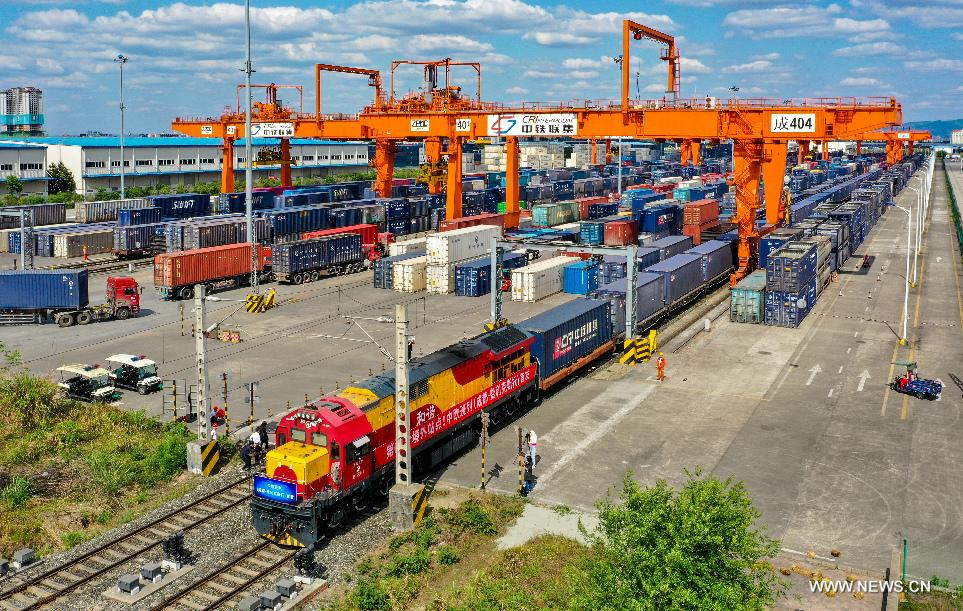
Global demand for energy storage systems continues to increase as renewable energy projects expand worldwide. Consequently, battery manufacturers require reliable transportation solutions capable of handling growing export volumes.
Comparing Railway Freight with Other Shipping Methods
| Shipping Method | Transit Time | Cost Level | Suitable Cargo |
|---|---|---|---|
| Air Freight | 3–7 Days | Very High | Small urgent shipments |
| Ocean Freight | 30–50 Days | Low | Non-urgent bulk cargo |
| Railway Freight | 15–25 Days | Medium | Commercial battery exports |
Furthermore, railway freight offers greater schedule stability than ocean freight during peak seasons. Additionally, it is substantially more economical than air transportation for large battery shipments.
Key Advantages for Battery Exporters
Railway transportation helps exporters:
- Improve delivery predictability
- Reduce transportation costs
- Support project-based deliveries
- Minimize inventory shortages
- Increase supply chain resilience
Therefore, railway freight is becoming a strategic transportation option for energy storage manufacturers serving overseas markets.
How Does Railway Freight Logistics for Energy Storage Battery Exports Improve Supply Chain Performance?
Battery manufacturers often operate under strict production and delivery schedules. Therefore, transportation reliability directly impacts customer satisfaction and project completion.
A professional battery export rail logistics solution helps companies improve supply chain performance through consistent transit schedules and better inventory planning.
Benefits of Predictable Transit Times
| Supply Chain Benefit | Business Impact |
|---|---|
| Stable Delivery Schedule | Easier project coordination |
| Lower Inventory Costs | Improved cash flow |
| Reduced Stockout Risk | Better customer service |
| Consistent Capacity | Reliable export planning |
Moreover, rail freight allows exporters to maintain regular shipping schedules without relying entirely on congested seaports.
Supporting Long-Term Export Growth
As international demand increases, exporters require scalable logistics solutions. Consequently, railway freight provides a practical option for companies seeking growth without excessive transportation expenses.
Furthermore, reliable rail schedules help businesses plan production and distribution activities more effectively.
What Safety Requirements Apply to Railway Freight Logistics for Energy Storage Battery Exports?

Energy storage batteries are subject to strict transportation regulations because they may be classified as dangerous goods. Therefore, compliance is essential before shipment departure.
A specialized rail logistics provider for battery exports can help businesses meet transportation safety standards and documentation requirements.
Essential Battery Transportation Requirements
| Requirement | Purpose |
|---|---|
| UN38.3 Test Report | Verifies battery safety |
| MSDS Documentation | Provides safety information |
| Proper Packaging | Reduces transportation risks |
| Hazard Labels | Supports regulatory compliance |
| Cargo Inspection | Confirms shipment readiness |
Common Safety Risks
Exporters should pay attention to:
- Improper packaging
- Damaged battery cells
- Missing compliance documents
- Incorrect cargo declarations
- Inadequate container securing
Consequently, thorough preparation reduces transportation risks and helps avoid shipment delays.
How Can Railway Freight Logistics for Energy Storage Battery Exports Reduce Transportation Costs?
Cost efficiency remains a key priority for battery manufacturers competing in global markets. However, transportation savings should never compromise safety or reliability.
A customized rail transportation strategy for battery exports strategy can significantly improve logistics efficiency.
Major Cost Drivers
| Cost Factor | Impact |
|---|---|
| Cargo Volume | Influences freight rates |
| Route Selection | Affects transportation costs |
| Container Utilization | Impacts unit shipping costs |
| Customs Delays | Creates storage expenses |
| Final Delivery Distance | Increases trucking costs |
Cost Reduction Strategies
Businesses can lower logistics expenses by:
- Maximizing container utilization
- Consolidating shipments
- Selecting efficient railway corridors
- Preparing documents in advance
- Combining rail and road transportation
Moreover, multimodal logistics often delivers better value than relying on a single transportation method.
Therefore, exporters can achieve both cost control and reliable delivery performance.
How Does Railway Freight Logistics for Energy Storage Battery Exports Support Customs Compliance?
Customs procedures can become a major source of delays for battery exports if documentation is incomplete or inaccurate. Therefore, compliance planning should begin before cargo departure.
A professional railway freight logistics for energy storage battery exports service helps businesses prepare the necessary customs documentation and avoid regulatory issues.
Required Export Documents
| Document | Purpose |
|---|---|
| Commercial Invoice | Declares cargo value |
| Packing List | Details shipment contents |
| Certificate of Origin | Supports customs clearance |
| UN38.3 Report | Confirms battery compliance |
| Transport Documents | Verifies shipment details |
Common Customs Challenges
| Challenge | Potential Consequence |
|---|---|
| Incorrect HS Codes | Clearance delays |
| Missing Safety Documents | Additional inspections |
| Inaccurate Cargo Details | Customs holds |
| Regulatory Changes | Compliance risks |
Furthermore, customs regulations for lithium batteries may vary between countries. Consequently, exporters should verify destination requirements before shipment departure.
Best Practices for Faster Customs Clearance
To improve clearance efficiency:
- Verify HS codes before shipping
- Review all documentation carefully
- Confirm import requirements early
- Work with experienced customs specialists
As a result, businesses can reduce delays and improve delivery reliability.
Which Routes Are Commonly Used for Railway Freight Logistics for Energy Storage Battery Exports?
Route selection affects transportation costs, delivery times, and overall shipment reliability. Therefore, choosing the right corridor is an important part of logistics planning.
A well-designed railway freight logistics for energy storage battery exports solution evaluates routes based on destination requirements and project deadlines.
Popular Railway Export Routes
| Route | Transit Time | Typical Destination |
|---|---|---|
| China–Germany | 16–22 Days | Western Europe |
| China–Poland | 14–20 Days | Central Europe |
| China–Netherlands | 18–24 Days | Benelux Region |
| China–Central Asia | 10–18 Days | Kazakhstan & Uzbekistan |
Route Selection Factors
Businesses should evaluate:
- Delivery deadlines
- Customs complexity
- Rail network capacity
- Final destination distance
- Seasonal demand fluctuations
Therefore, the best route is often the one that balances speed, cost, and reliability.
Railway Freight Logistics for Energy Storage Battery Exports Case Study
Project Card
| Item | Details |
|---|---|
| Origin | Chongqing, China → Warsaw, Poland |
| Cargo | Energy storage battery systems |
| Transit Time | 20 Days Rail + 2 Days Trucking |
| Cost | Approximately 40% lower than air freight |
| Transportation Method | Railway Freight + Road Delivery |
| Customs Clearance Details | UN38.3 verification, customs pre-check, document review |
| Brief Overview | A battery supplier required timely delivery for a European renewable energy project. Railway freight provided a cost-effective and reliable solution. |
How Can Businesses Choose the Best Railway Freight Logistics Provider for Energy Storage Battery Exports?
Selecting an experienced logistics partner is critical because battery transportation requires specialized knowledge and regulatory expertise.
A trusted railway freight logistics for energy storage battery exports provider should offer comprehensive logistics support.
Key Evaluation Criteria
| Factor | Importance |
|---|---|
| Dangerous Goods Experience | Ensures regulatory compliance |
| Rail Network Expertise | Improves route planning |
| Customs Support | Reduces clearance risks |
| Cargo Tracking | Enhances visibility |
| Multimodal Solutions | Supports door-to-door delivery |
Questions to Ask Logistics Providers
Before selecting a provider, businesses should ask:
- Do you regularly handle lithium battery exports?
- Can you support dangerous goods compliance?
- Do you provide customs clearance assistance?
- Can you arrange final-mile delivery?
- Do you offer real-time cargo tracking?
Therefore, choosing the right logistics partner can create long-term competitive advantages for battery exporters.
Conclusion
Railway freight logistics for energy storage battery exports offers a practical balance between transportation cost, delivery speed, and regulatory compliance. Moreover, it provides a reliable solution for manufacturers and suppliers serving rapidly growing international energy storage markets.
By optimizing routes, preparing compliant documentation, implementing proper safety measures, and working with experienced logistics providers, exporters can improve supply chain performance while reducing transportation risks. Consequently, railway freight continues to play an increasingly important role in global battery export logistics.
Need reliable railway freight logistics for energy storage battery exports? Our team can help you optimize transportation routes, manage customs requirements, and ensure safe international delivery of energy storage systems. Contact us today for a customized quotation and logistics consultation.
FAQs
1. Is railway freight suitable for exporting energy storage batteries?
Yes. Railway freight is widely used for energy storage battery exports because it offers a balance between cost efficiency and delivery speed while supporting large shipment volumes.
2. What documents are required for battery railway transportation?
Typical documents include a commercial invoice, packing list, certificate of origin, UN38.3 report, MSDS, and transport documentation.
3. How long does railway freight for battery exports usually take?
Most China-Europe railway shipments require approximately 15–25 days, depending on the destination, route, and customs procedures.
4. Can lithium batteries be shipped by rail internationally?
Yes. However, exporters must comply with dangerous goods regulations and provide the required safety certifications before shipment.
5. How can businesses reduce battery transportation risks?
Proper packaging, compliance documentation, cargo inspections, and experienced logistics support can significantly reduce transportation risks.